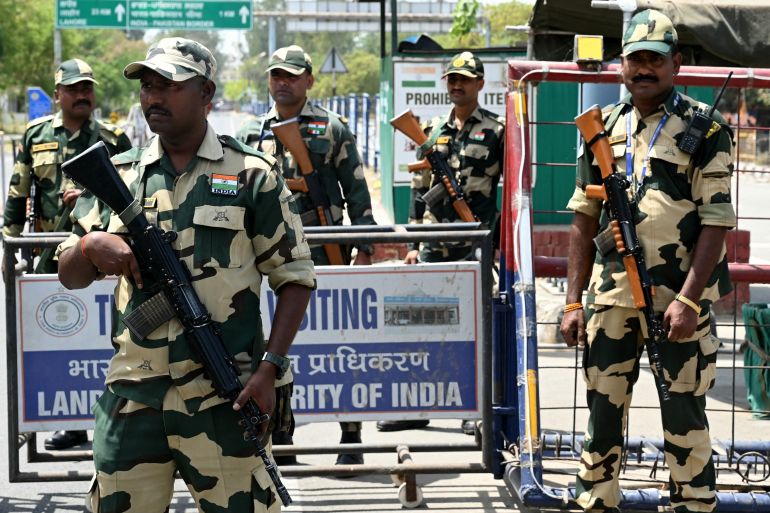
US-Israeli Air Strikes Result in Death of Iranian Intelligence Chief


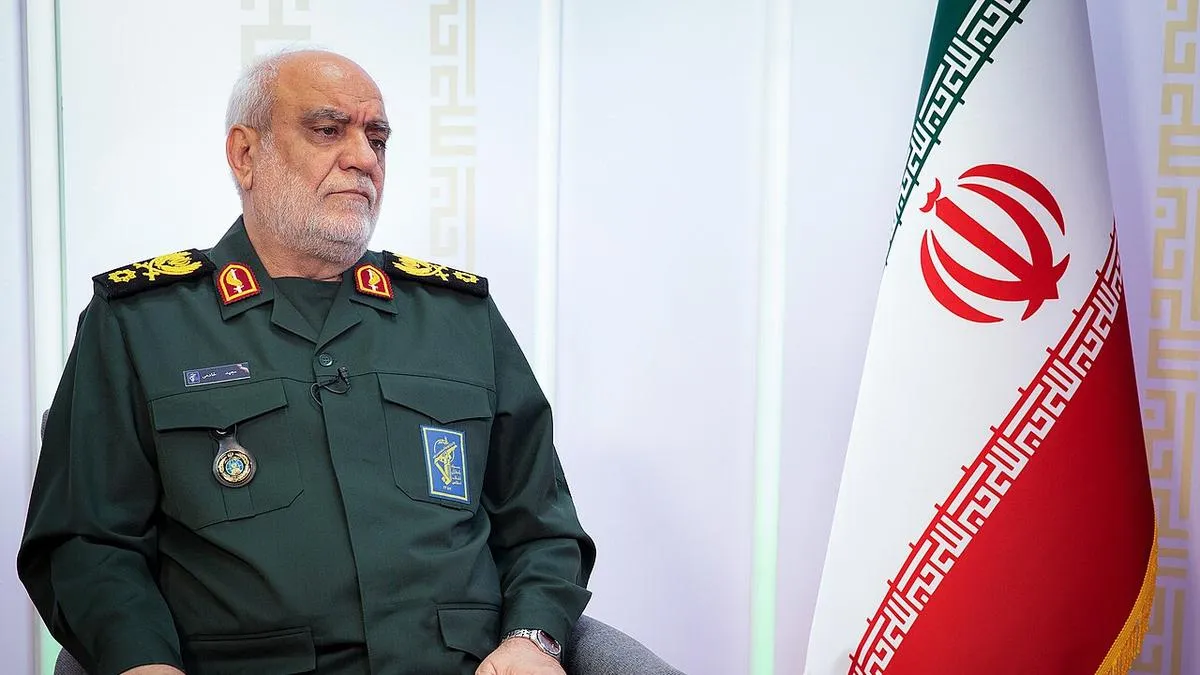
On 6 April 2026, Iranian media reported the killing of Majid Khademi, the head of the intelligence division of Iran's Islamic Revolutionary Guard Corps (IRGC), during what is described as a terrorist attack by the United States and Israel. The incident marks a significant escalation in ongoing hostilities between Iran and these countries.
Majid Khademi had taken over the intelligence role in 2025 following the death of his predecessor, who was also targeted in prior air strikes attributed to Israel. Over his lengthy career, Khademi developed extensive expertise in intelligence and counter-espionage, serving in various high-ranking positions within Iran's security architecture.
Prior to his appointment as the head of the IRGC's intelligence organisation, Khademi led the Guards’ Intelligence Protection Organisation, which is responsible for internal surveillance and counterintelligence operations against foreign influences. His experience extended to senior positions within Iran's Ministry of Defence.
The IRGC's intelligence branch is among the most influential security entities in Iran, playing a crucial role in monitoring domestic threats and countering perceived foreign interference. Its operations often run parallel to those of the civilian intelligence ministry, significantly shaping Iran’s security policy.
The rising number of targeted strikes, particularly aimed at significant Iranian military figures, signals a continuation of military strategies employed by United States and Israeli forces, further intensifying the already strained relations in the region. Iranian officials have condemned the air strikes, framing them as acts of aggression against their sovereignty. The circumstances surrounding Khademi's death resonate deeply within the geopolitical landscape, highlighting ongoing conflicts in the Middle East.
As the situation develops, the impact of these military actions on Iran's intelligence operations and broader regional dynamics remains to be seen. It underlines the precarious nature of stability in an area often characterised by tension and conflict between various state and non-state actors.
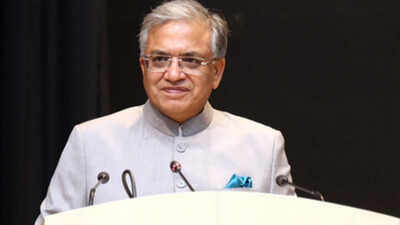
Kerala Initiates Probe into 2006 Suicide Case Involving CEC
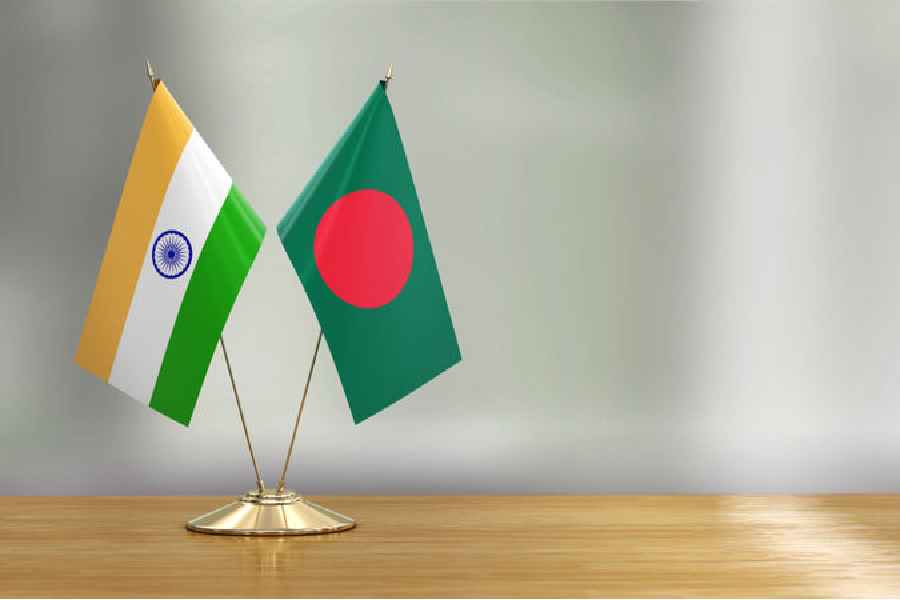
Extradition of Sheikh Hasina Feasible, Says Indian High Commissioner

Punjabi Makeup Artist Mad Sandhu Shot Dead in Amritsar
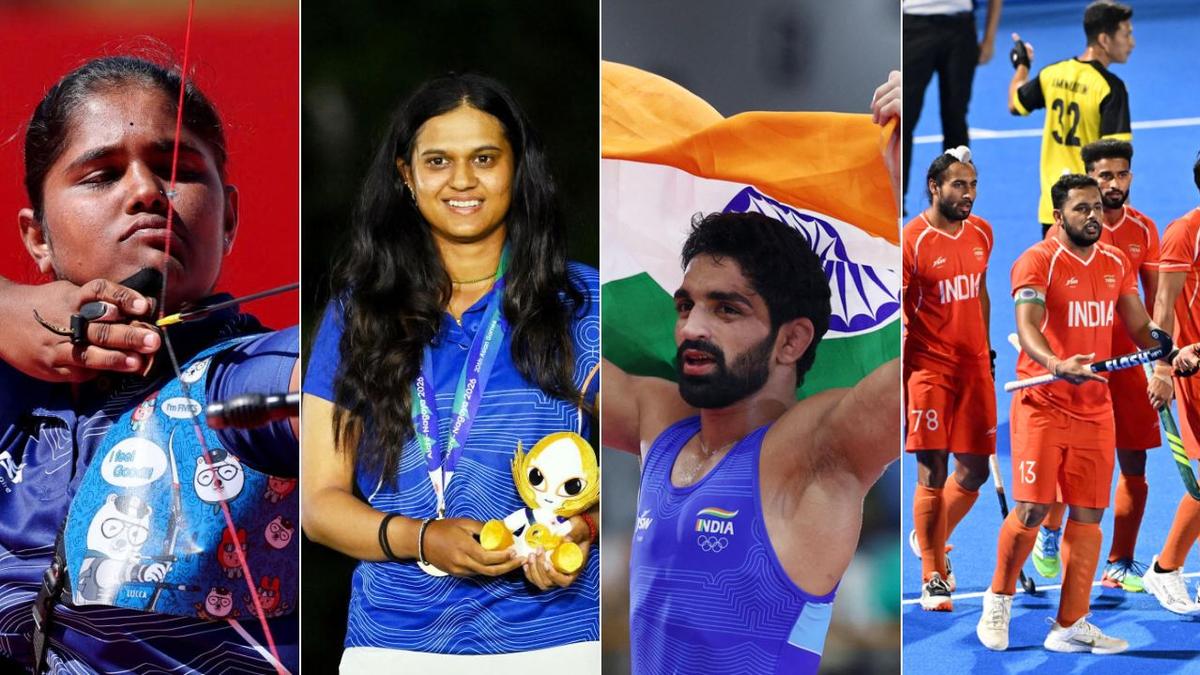
India Achieves Fourth Place at Asian Games 2026 Through Late Success