Delhi High Court Notices CBI on Kejriwal's Recusal Request


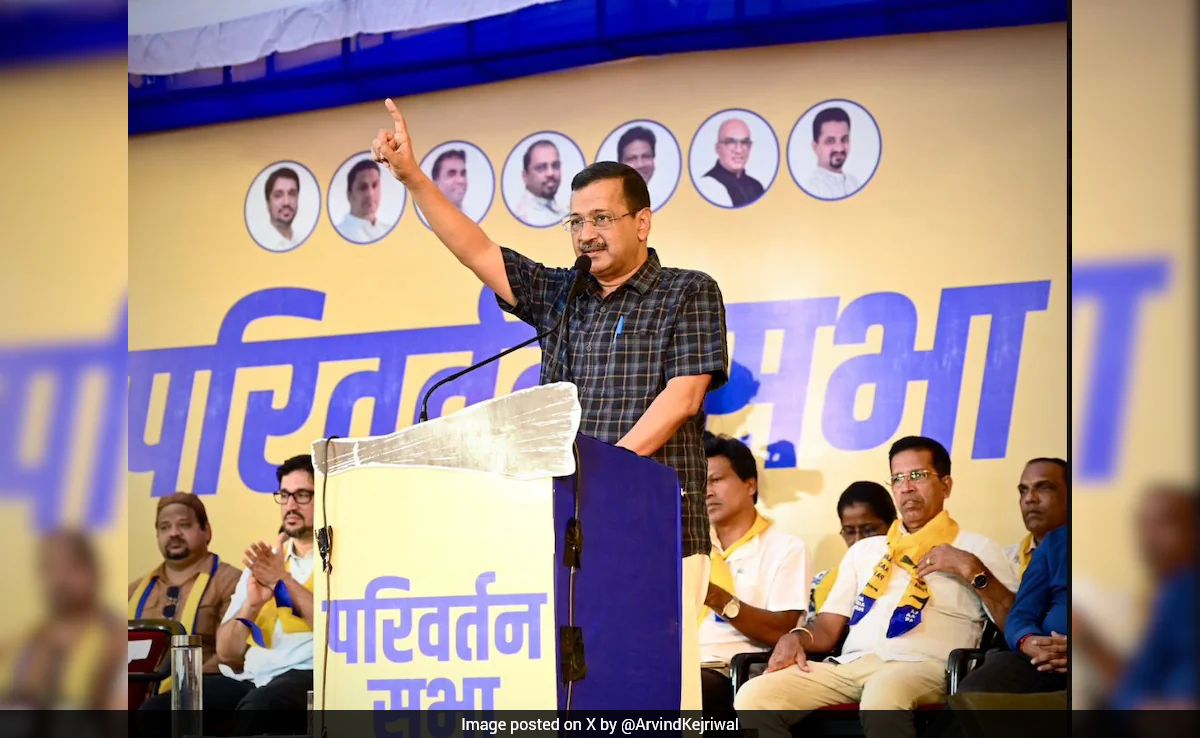
The Delhi High Court issued a notice to the Central Bureau of Investigation (CBI) regarding an application from former Delhi Chief Minister Arvind Kejriwal. The application requests the recusal of Justice Swarana Kanta Sharma, who is presiding over the CBI's appeal against Kejriwal's discharge in a corruption case linked to an alleged liquor policy scam.
During the hearing on 6 April 2026, Kejriwal appeared in person before Justice Sharma to submit the recusal application. Solicitor General of India Tushar Mehta, representing the CBI, objected to the application, highlighting the receipt of multiple recusal requests concerning Justice Sharma. He stated, "Some people in this country make careers out of making serious allegations" and expressed concern over the implications of these allegations for the judicial institution.
Mehta further added that while the CBI had no issue with Kejriwal's personal representation, he noted that Kejriwal had retained a lawyer and emphasised that if Kejriwal means to appear personally, his lawyer should no longer participate. The Solicitor General also asserted that all pending pleadings must be resolved before any recusal applications are considered.
In light of this, Kejriwal clarified that he had adhered to the High Court’s procedural guidelines while submitting the application and requested it to be acknowledged, explaining that he was not permitted to file electronically as a petitioner appearing in person.
The High Court subsequently scheduled a further hearing for 13 April 2026 at 2:30 PM. The court was informed that a writ petition seeking the transfer of the case to a different bench in the Supreme Court has been withdrawn.
Justice Sharma also issued notices concerning the recusal applications presented by several other accused individuals in the case. Importantly, Kejriwal had previously reached out to the Chief Justice of the High Court to request a transfer of the case, a request that was declined.
Following this, Kejriwal pursued the matter in the Supreme Court, under Article 32 of the Constitution of India, to seek a bench change. This ongoing case has been significantly controversial, particularly as allegations of irregularities arose against the government’s excise policy, which was aimed at enhancing revenue and reforming the liquor trade in Delhi.
The trial court had, on 27 February 2026, discharged all 23 implicated parties, including Kejriwal and Aam Aadmi Party (AAP) leader Manish Sisodia, and criticized the CBI investigation as lacking substantiation.
The CBI’s move to challenge this order has become politically charged, particularly ahead of the 2024 Lok Sabha elections, in which Kejriwal’s previous arrest and long remand to custody became points of contention. He was granted bail by the Supreme Court after being held in custody for 156 days, while Sisodia spent 530 days incarcerated.
The first information report filed by the CBI accused Sisodia and others of making decisions regarding the 2021-22 excise policy without proper authorisation, allegedly designed to extend favours to specific licensees. The Central Bureau of Investigation indicated Sisodia's arrest was justified due to his uncooperative behaviour during the investigation. Notably, Kejriwal was formally arrested by the CBI on 26 June 2024 while already in custody due to another case linked to the liquor policy.
The excise policy in question, introduced by the Delhi Government to stimulate revenue, was subsequently withdrawn amid serious allegations of mishandling and corruption, as claimed by both the CBI and the Enforcement Directorate. The case has resulted in a highly scrutinised political scenario for the involved individuals and parties, reflecting broader themes of governance and accountability in India's political landscape.
Kerala Initiates Probe into 2006 Suicide Case Involving CEC
Extradition of Sheikh Hasina Feasible, Says Indian High Commissioner
Punjabi Makeup Artist Mad Sandhu Shot Dead in Amritsar
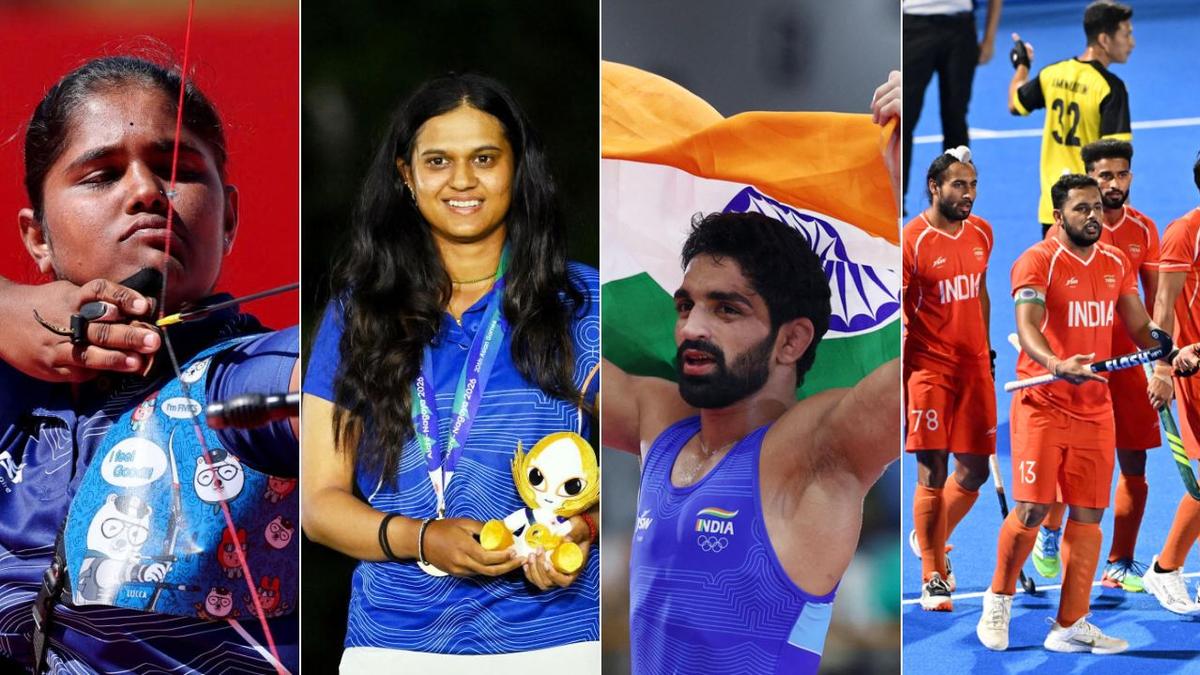
India Achieves Fourth Place at Asian Games 2026 Through Late Success