Supreme Court Orders NIA to Investigate Malda Judicial Officers' Siege


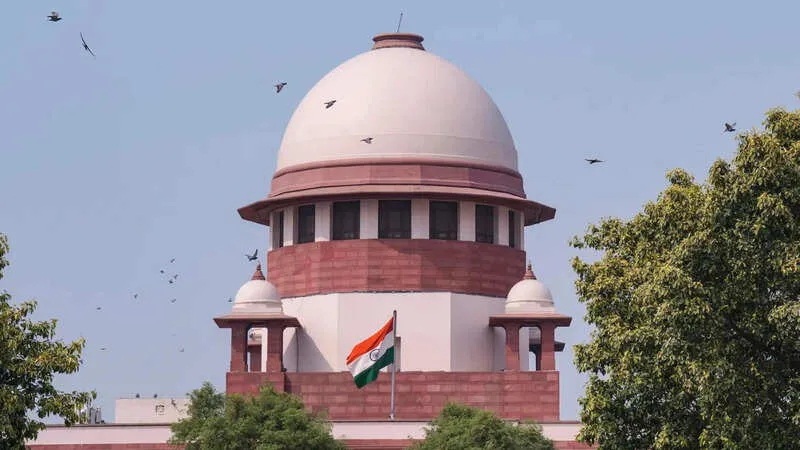
The Supreme Court of India has instructed the National Investigation Agency (NIA) to take over the investigation concerning the detention of judicial officers in Malda, West Bengal. This incident occurred on 1 April, when a group of protestors allegedly held seven judicial officers, including three women, hostage. The group was protesting against what they claimed was the mass deletion of voters during the electoral roll revision process.
The court's direction follows serious allegations against the local police, as noted by a bench led by Chief Justice Surya Kant. According to reports from Bar and Bench, the protestors attacked the vehicles of these officials as they attempted to return home after completing their duties.
The intervention of the Chief Justice of the Calcutta High Court, Sujoy Paul, was crucial in securing the release of the judicial officers, who were unharmed. The Supreme Court responded to the unfolding events by ordering the deployment of central forces to ensure the safety of judicial officers involved in the electoral roll process. This security measure comes as the state prepares for upcoming Assembly elections on 23 and 29 April, with votes to be counted on 4 May.
During the court proceedings on Monday, it was highlighted that the Election Commission had requested an inquiry by the NIA. The Supreme Court referenced a preliminary report submitted by the NIA in a sealed cover, indicating a desire for the investigation to proceed without interference from local authorities.
Chief Justice Kant remarked on the serious nature of allegations against the state and local police, urging the NIA to assume control of the first information reports (FIRs) related to the case. He stressed that the NIA could file additional FIRs if necessary and demanded regular status updates from the agency to address the ongoing situation.
During the hearing, the Supreme Court bench expressed dissatisfaction with the responses of state officials, particularly the Chief Secretary and the Director General of Police. These officials allegedly failed to respond adequately to communications from the Chief Justice of the Calcutta High Court as the siege was occurring. The Chief Secretary later claimed he was unavailable due to travel commitments, a statement which the court appeared to contest.
In light of these developments, Chief Justice Kant highlighted the gravity of the situation, characterising the protest as "motivated, pre-planned and deeply instigating in nature". He indicated a firm resolution by the court to ensure a thorough investigation and accountability.
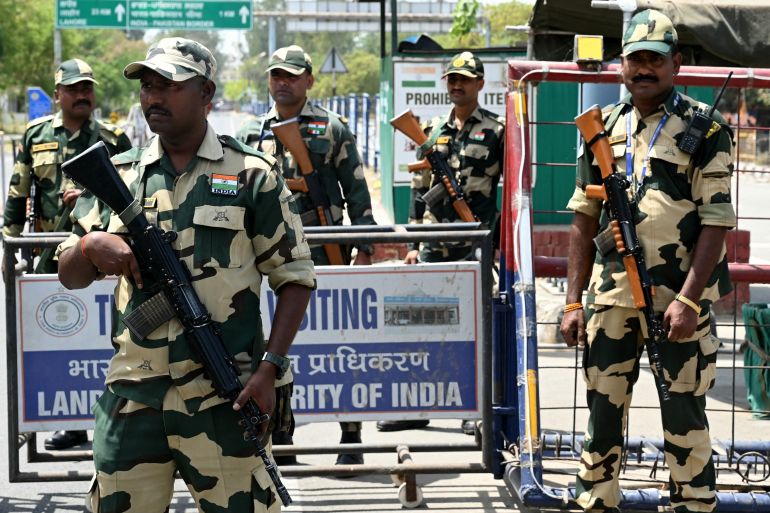
As part of the crackdown on the underlying issues, authorities detained Moffakkerul Islam, a lawyer believed to have orchestrated the protest. He was a candidate in the 2021 Assembly elections for the All India Majlis-e-Ittehadul Muslimeen party. So far, around 35 individuals have been arrested in connection with the gherao incident.
The electoral roll revision continues amid scrutiny, with over 61 lakh voters reportedly excluded from the final rolls published by the Election Commission. Approximately 60 lakh cases pertaining to voters facing exclusion remain unsettled, with adjudication still in process. The Supreme Court had earlier mandated that judicial officers assist in this crucial revision, showcasing ongoing judicial oversight in electoral processes.
The NIA’s involvement is seen as a significant escalation in addressing the challenges surrounding election integrity and the security of judicial processes in West Bengal, especially in light of previous tensions surrounding voter rights and electoral reforms.
Kerala Initiates Probe into 2006 Suicide Case Involving CEC

Extradition of Sheikh Hasina Feasible, Says Indian High Commissioner

Punjabi Makeup Artist Mad Sandhu Shot Dead in Amritsar
India Achieves Fourth Place at Asian Games 2026 Through Late Success