Severe Snowfall in Japan Claims 30 Lives Amidst Ongoing Crisis


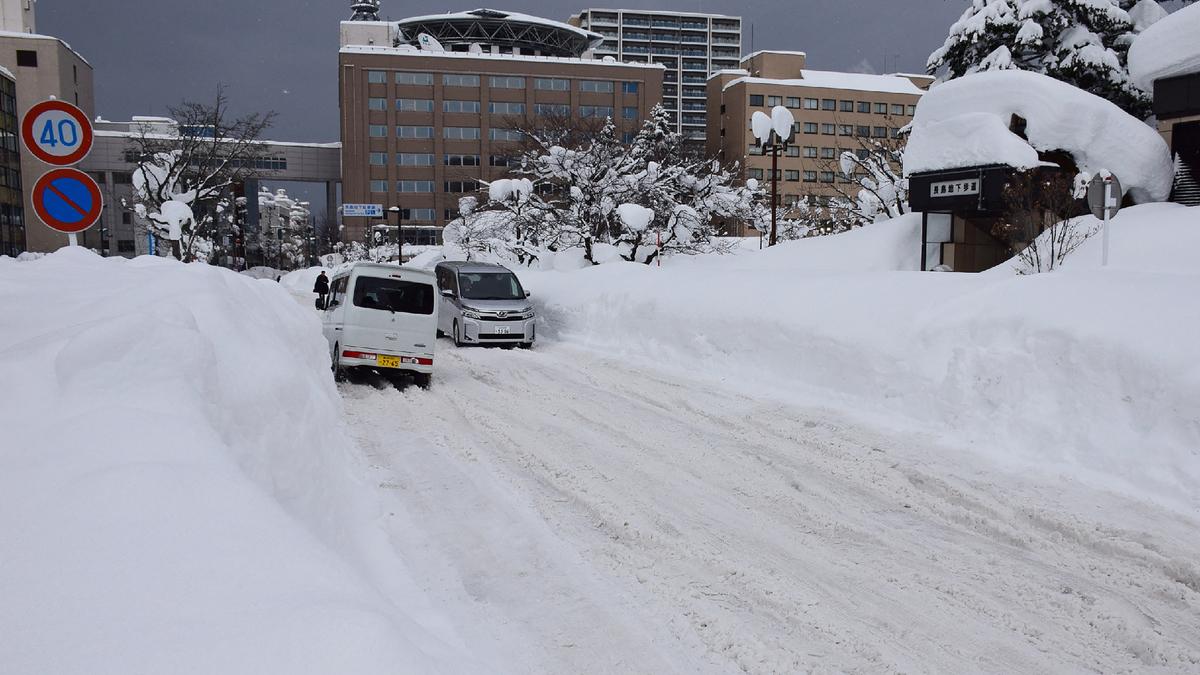
Severe winter weather has devastated parts of Japan, resulting in a reported 30 deaths and 324 injuries since January 20, 2026. The heavy snowfall has primarily affected the northern regions, particularly Aomori and Niigata Prefectures, which have experienced record-breaking snow accumulation.
As of February 3, 2026, local officials have stated that snowfall in Aomori has reached staggering depths, with some areas recording up to 4.5 metres (approximately 14 feet) of snow. The extreme weather conditions have made everyday life challenging for residents, many of whom have had difficulty leaving their homes due to the thick snow drifts.
In Aomori City, individuals were seen navigating through trenches dug into the vast snowbanks, while road and transport services faced significant disruptions. Major thoroughfares were blocked, forcing local schools to close and halting public transport in certain areas.
Prime Minister Sanae Takaichi held an urgent cabinet meeting to address the crisis, directing her ministers to take necessary actions to safeguard citizens and prevent further casualties. The Japanese government has deployed troops to assist local authorities with snow removal operations, as many communities struggle to manage the heavy snowfalls.
Among those who lost their lives was a 91-year-old woman who was discovered beneath a massive pile of snow outside her home in Ajigasawa, a town within Aomori. According to local police, she likely suffocated as snow from her rooftop collapsed onto her as she was situated outside.
The overarching weather patterns affecting Japan are linked to a major storm system that has swept across the Sea of Japan, bringing unprecedented levels of snowfall. Weather experts have noted that parts of Honshu Island, Japan's largest island, have received more than double their usual snowfall for this time of year.
In Niigata Prefecture, the hardest-hit area, 12 fatalities were reported alongside 97 injuries. Many of these incidents occurred when residents attempted to clear snow from rooftops or became trapped under the weight of accumulated snow. The local meteorological office indicated that snow depth in some regions reached 255 cm as of February 1, amplifying concerns about potential further accidents.
Safety warnings continue to be issued regarding the potential risks associated with excessive snow buildup on rooftops, which could lead to structural collapse if not addressed promptly. Local officials have established a response headquarters to coordinate efforts to mitigate further disaster risks as snow accumulation remains a pressing concern.
One resident of Aomori City expressed frustration over the situation, stating, "They must block traffic from the morning and clear snow. Otherwise, there is no solution to this." Authorities are working with heavy machinery to clear pathways, yet many officials struggle to reach their workplaces due to the massive snow walls surrounding government buildings.
"The snow is so heavy around the regional government building that even our staff cannot convene, even if we were to call emergency meetings," said Soichiro Miyashita, the regional governor, during a press conference.
As Japan grapples with this severe winter storm, with more snow forecasted in the coming days, the government continues to prioritise emergency responses aimed at keeping residents safe and preventing further fatalities.

Mamata Banerjee Challenges Election Commission in Supreme Court

Telangana High Court Disqualifies MLA Danam Nagender Amid Political Fallout

Scottish Sikh Man Receives Bail in India After Nine-Year Detention

Delhi Police Investigate Gang-Rape and Murder of 16-Year-Old Girl