India-US Trade Agreement Sparks Growth in Key Sectors


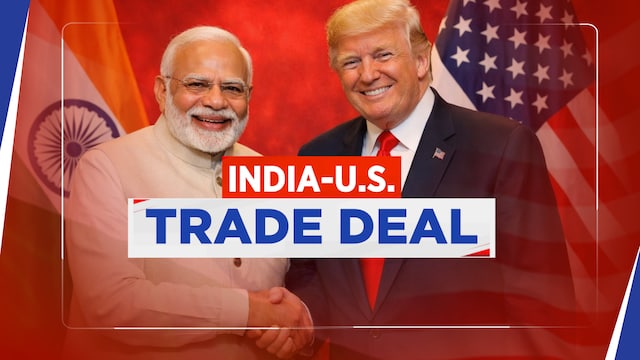
A newly established trade agreement between India and the United States has resulted in a notable rally in the stock market, particularly benefiting sectors such as textiles, agriculture, and consumer goods. The agreement has reduced tariffs on Indian exports from a substantial 50% to 18%, providing companies with renewed pricing power and enhancing profit margins. This reduction is expected to reinstate export opportunities that had previously waned due to the high cost of trade.
Under the previous 50% tariff regime, businesses faced squeezed margins and found it difficult to compete with other exporting countries such as Vietnam, Bangladesh, and China. The sectors set to gain significantly include textiles and apparel, which are heavily dependent on the US market. For instance, Raymond Lifestyle generates approximately 50% of its garment revenue from the US, and with the tariff cut, it is poised to improve its competitive position against exporters from neighbouring countries.
Other notable beneficiaries in the textiles and apparel sector include Indo Count and Welspun Living, both of which have reported a US market exposure ranging from 65% to 90%. Pearl Global, along with KPR Mill and SP Apparels—who rely on the US for 50%, 20%, and 25-30% of their revenues respectively—are also expected to see substantial gains as a result of the tariff reduction.
In the food and agriculture sector, companies such as LT Foods, which derives 41% of its revenue from US markets, are likely to benefit from this trade deal. The previous high tariffs had caused margin contractions of around 100 to 200 basis points, and the recent tariff easing will positively reverse that trend, allowing for improved financial performance.
The consumer durables segment is also expected to witness a positive sentiment as companies like KEI and Polycab, which have been working to scale their presence in the US, derive a lesser but impactful percentage of their revenues from that market. Additionally, Blue Star has reported that 25% to 30% of its order book is now coming from US data centres, signalling a shift from lower-margin infrastructure projects.
In the automotive and auto-ancillary sectors, Bharat Forge, which was previously impacted by a 25% US duty on auto imports now reduced to 18%, stands to gain from improved order flow. Similarly, Balkrishna Industries and Sona Comstar are looking at enhanced revenue streams with a 14% and 28% US dependency respectively. Happy Forgings anticipates a surge in orders following the reduced tariffs.
The electronics manufacturing sector is also expected to benefit with companies such as Avalon, which relies on the US for 57% of its sales, as well as Dixon, which aims to explore new mobile export opportunities to the US. In the chemicals industry, firms with a substantial US market exposure of 30% to 40%, such as Atul, Vinati, and Navin Fluorine, are projected to be key beneficiaries. Moderate exposure companies, including SRF and Deepak Nitrite, may also experience positive effects, albeit to a lesser degree.
In summary, the India-US trade deal appears to have opened numerous avenues for Indian businesses, amidst a landscape of renewed competitiveness and market growth. As the changes take effect, analysts will closely monitor performance across these sectors to gauge the long-term impact of the agreement on the market and economy.

Mamata Banerjee Challenges Election Commission in Supreme Court

Telangana High Court Disqualifies MLA Danam Nagender Amid Political Fallout

Scottish Sikh Man Receives Bail in India After Nine-Year Detention

Delhi Police Investigate Gang-Rape and Murder of 16-Year-Old Girl