Balochistan Attacks: Female Suicide Bombers Feature in Deadly BLA Assaults


Pakistan’s security forces have concluded large-scale counter-operations in the southwestern province of Balochistan following one of the deadliest waves of militant violence in recent years. The unrest erupted after the Balochistan Liberation Army, a banned separatist organisation, claimed responsibility for coordinated assaults across several towns and cities.
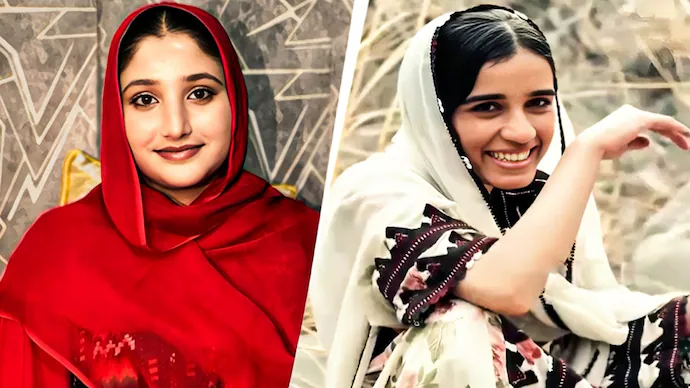
The group released video footage and photographs showing women who it identified as suicide attackers, known within the organisation as “fidayeen”. One of the videos, widely circulated on social media, shows a woman armed with a rifle speaking directly to the camera before engaging in fighting with Pakistani security personnel near the coastal city of Gwadar.
In a statement accompanying the footage, the group said the woman, identified as Hawa Baloch, took part in what it described as the second phase of an operation named Herof. The organisation claimed she recorded her message hours before her death during clashes with Pakistani forces.
In the video, the woman delivers a defiant message urging people in Balochistan to support the armed struggle. At one point, she is seen smiling while responding to a question from another fighter about the fighting, saying it was “fun”. The footage ends with images showing her body lying on the ground, alongside another militant.
Pakistani authorities have not commented directly on the authenticity of the video but have confirmed intense fighting in multiple locations. The military said security forces repelled attempts by militants to seize towns or strategic installations.
According to Pakistan’s armed forces, at least 133 militants were killed over two days of operations, with 92 deaths reported on Saturday and 41 on Friday. The military said the clashes followed attacks on security posts and public buildings, including schools, banks and hospitals, by militants disguised as civilians.
Balochistan’s Chief Minister Sarfraz Bugti said nearly 50 people were killed in the overall violence, including at least 17 members of the security forces. He added that operations continued for more than 40 hours as troops attempted to regain control of affected areas.
Pakistan’s Defence Minister Khawaja Asif confirmed that some of the attacks involved female perpetrators, calling it a troubling development. He said the use of women in suicide operations highlighted what he described as the increasing brutality of militant tactics.
The Balochistan Liberation Army also acknowledged casualties among its own fighters. In a statement, the group said 18 of its members were killed, including 11 suicide attackers from its Majeed Brigade, along with fighters from two other units.
Another image release by the group identified a second female attacker as 24-year-old Asifa Mengal, whom it said targeted an intelligence facility in the town of Nushki. The organisation claimed she joined its ranks in 2023 and volunteered for a suicide mission last year. Pakistani officials have not independently confirmed these details.
Government spokesperson Shahid Rind said attacks were reported from several regions, including Nushki, Hub, Chaman, Naseerabad, Gwadar and Makran. He said authorities had intelligence suggesting an operation was being planned, which helped security forces respond quickly.
Pakistan’s military said the situation was brought under control and denied militant claims that entire areas were overrun. It said no city or major installation fell into militant hands.
Context Balochistan is Pakistan’s largest province by area but its least populated and one of its poorest. It has experienced a decades-long insurgency by separatist groups who accuse the central government of political marginalisation and exploiting the region’s natural resources without benefiting local communities.
The Balochistan Liberation Army is among the most prominent of these groups and has been designated a terrorist organisation by Pakistan and several other countries. It has previously targeted security forces, infrastructure projects and Chinese interests linked to the China–Pakistan Economic Corridor.
The appearance of women as suicide attackers marks a significant shift in the group’s public messaging and tactics. Analysts say such imagery is often used by militant organisations to attract attention, project resolve and challenge traditional social norms.
Despite repeated military operations, the conflict in Balochistan has remained unresolved. While the government says force is necessary to restore order, human rights groups have long raised concerns about civilian suffering, enforced disappearances and restrictions on political expression in the province.
As security forces continue to patrol affected areas, officials say investigations are under way to determine how the coordinated attacks were planned and carried out. The federal government has reiterated its position that it will not negotiate with armed groups, while promising development and security measures aimed at stabilising the region.
For many residents of Balochistan, the latest violence underscores the deep-rooted nature of the conflict and the challenges facing efforts to bring lasting peace to the province.
US House Advances Bill Allowing Tariffs on Nations Buying Russian Oil

Meta to Report Child Sexual Abuse Material to Indian Authorities
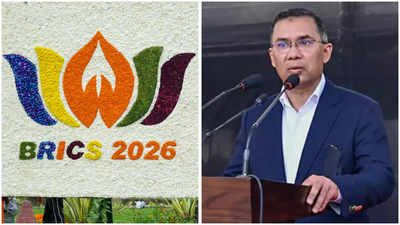
India Clarifies Bangladesh PM's BRICS Invitation Amid Confusion
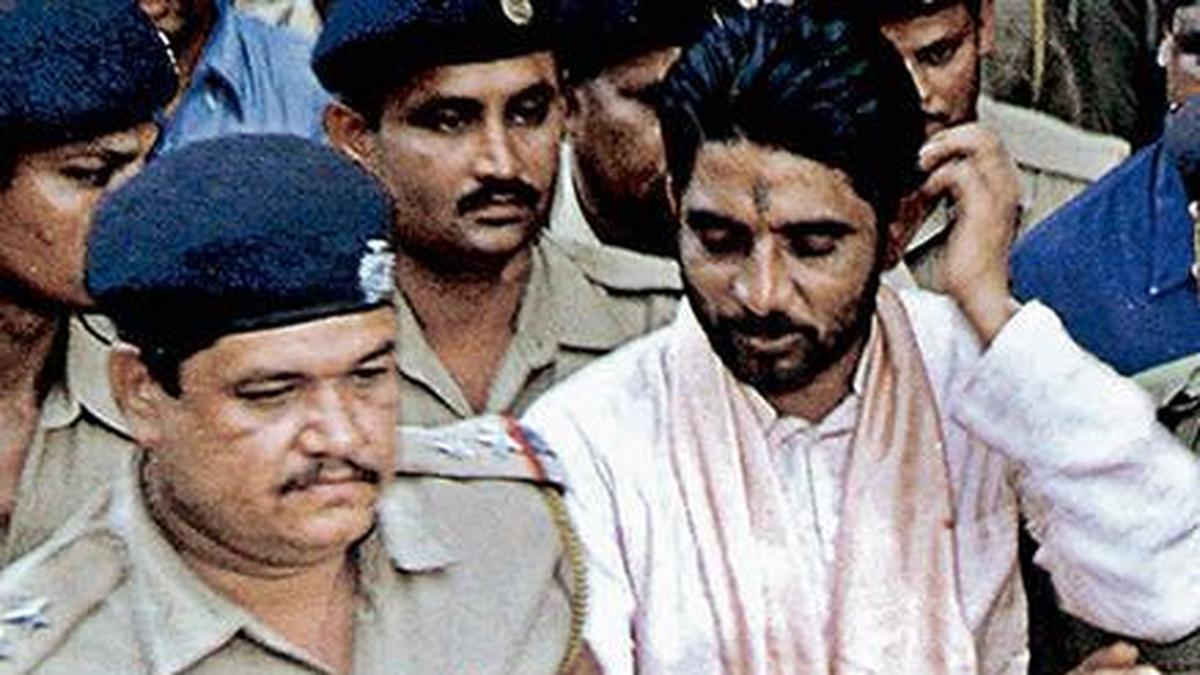
Odisha Government Denies Premature Release of Dara Singh