Former Army Chief's Memoir Sparks Tensions in Indian Parliament


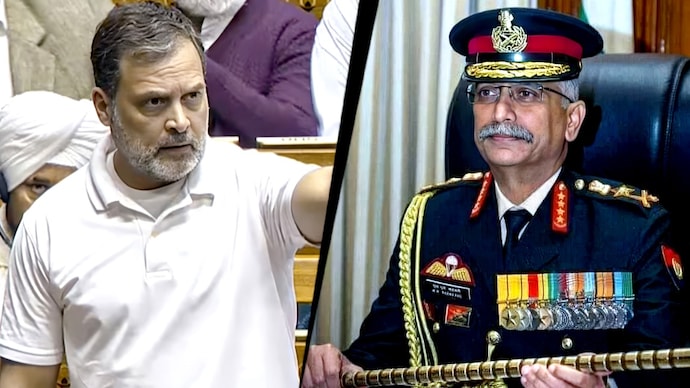
A significant clash erupted in the Lok Sabha on Monday when Rahul Gandhi, the Leader of the Opposition, attempted to refer to an article about General MM Naravane's unpublished memoir. The incident raised questions regarding national security and led to the adjournment of the House. Following the session, Gandhi asserted that he aimed to quote from a report in a prominent magazine regarding Naravane's book. The memoir, titled 'Four Stars of Destiny', has been awaiting approval from the Indian Ministry of Defence for approximately 18 months.
Gandhi expressed concern about the manuscript's delay, highlighting its implications for the insights of a former Army chief. "This is the perspective of the Army chief. Why is the government apprehensive about this perspective?" Gandhi questioned as he spoke to journalists after the adjournment.
General Naravane held command over the Indian Army during a critical period marked by hostilities with Chinese troops at Galwan in Eastern Ladakh. It was within this context that the government introduced the Agnipath recruitment scheme, inciting considerable debate. Tensions peaked during a confrontation on June 15-16, 2020, resulting in the fatalities of twenty Indian soldiers, including a Colonel, amid clashes near the Line of Actual Control. Details of casualties on the Chinese side have been undisclosed.
Reports indicate that the memoir discusses various military operations and governmental policies, which could explain the ongoing review and publication delays. The book includes insights from a notable interaction between Naravane and Defence Minister Rajnath Singh in August 2020, during escalating border tensions with China. In his memoir, Naravane recollects that Singh conveyed instructions after discussing the situation with Prime Minister Narendra Modi. Naravane wrote, "He [Rajnath Singh] said that he had spoken to the PM and that it was purely a military decision. Jo ucchit samjho woh karo (Do whatever you deem appropriate)."
The back cover features a commendation from former Army Chief VP Malik, who commanded during the Kargil War in 1999. Malik describes Naravane's narration of the India-China confrontation as "informative and exciting," suggesting that the memoir provides significant insight into the military's roles and responsibilities.
During Monday's session, Speaker Om Birla interrupted Gandhi as he attempted to cite the memoir. Government representatives contended that Gandhi's reference was irrelevant to the debate surrounding the motion of thanks for the President's address. Union ministers vehemently opposed the citation, asserting it misled the House since the memoir has not been officially published.
"Going to wars can never be a purely military decision. It is taken by democratically elected political leadership," expressed Rajnath Singh, challenging Gandhi's assertions regarding military responses. Speaker Birla remarked that citing unpublished works was against House regulations.
Gandhi responded to objections from Treasure Benches, arguing that his quotations were authentic and challenged the claim that the commentary caused discomfort. "What are they scared of?" he asked, emphasising the importance of political accountability in decision-making.
In a recent statement, General Naravane noted that his memoir has been in limbo for over a year, awaiting formal approval from the Ministry of Defence. "My role was to pen the book and submit it to the publishers; it is their responsibility to seek the necessary permissions from the Ministry," Naravane explained.
The ongoing debate about the memoir highlights tensions between the opposition and the ruling government regarding transparency and military accountability, amidst a backdrop of significant geopolitical challenges. The issue of publishing sensitive military narratives stands at the crossroads of national security and democratic accountability, raising questions about the balance between governmental oversight and the necessity of sharing crucial military perspectives with the public.
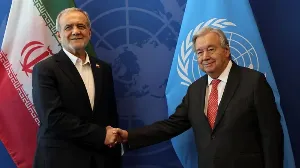
US Approves Visa for Iranian Delegation Amid Ongoing Conflict
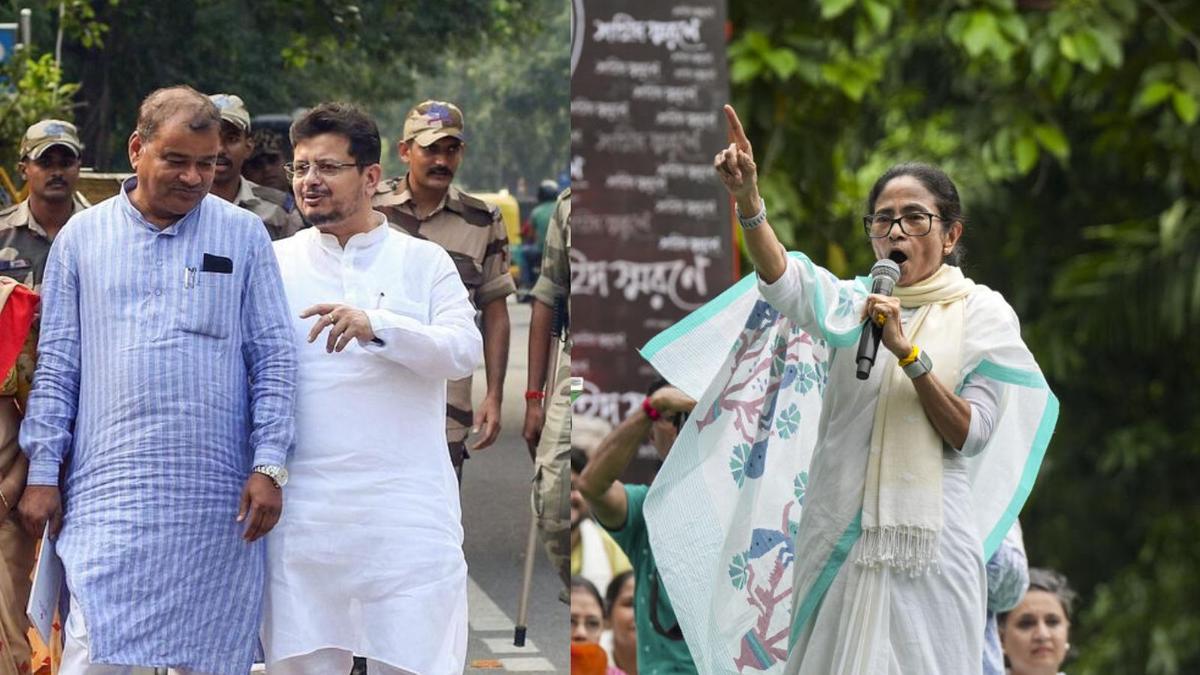
Election Commission Restricts TMC Use of Name and Symbol in Bypolls
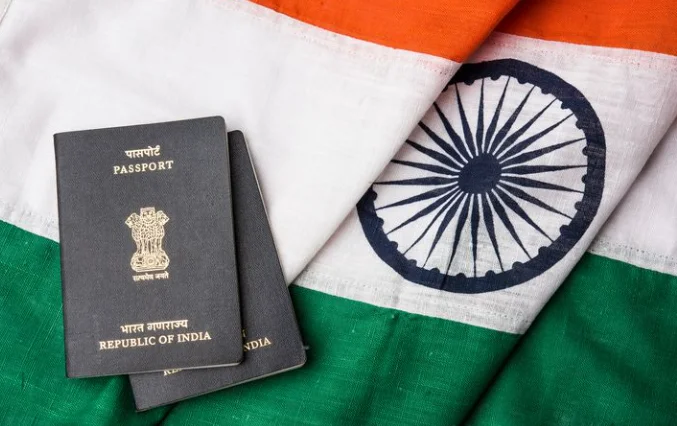
India Revises Passport Rules for Minors Under 15 Years Old
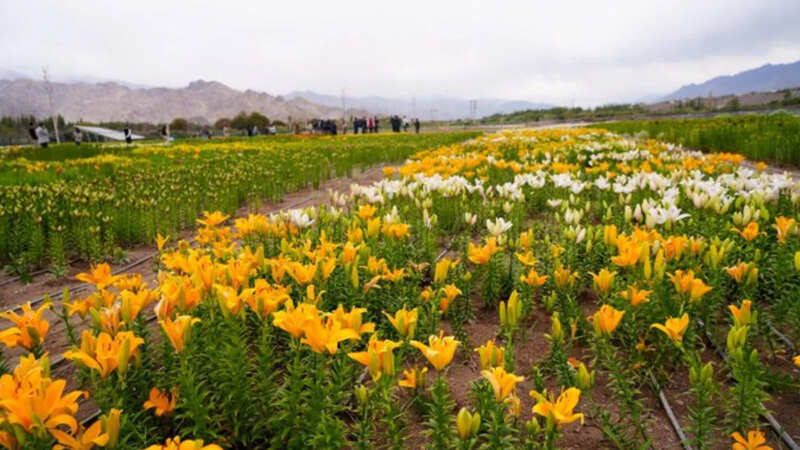
World's Highest Flower Fields Open in Leh, Ladakh at 10,600 Feet