PM Modi Discusses Peace and Navigation in West Asia with Iran's Leader


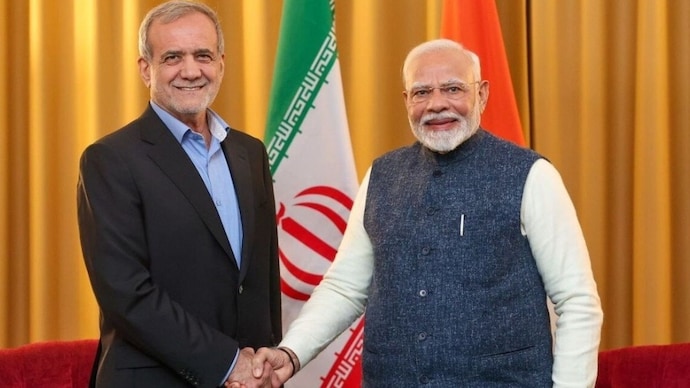
Indian Prime Minister Narendra Modi held discussions with Iranian President Masoud Pezeshkian on Tuesday regarding recent developments in West Asia. The conversation took place as diplomatic initiatives aimed at reducing regional tensions continue.
During the phone call, President Pezeshkian updated Prime Minister Modi on ongoing developments within the region and the potential pathways forward. Prime Minister Modi expressed his support for the understanding achieved and reiterated India's long-standing position that disputes must be resolved through dialogue and diplomacy.
He underscored the necessity of persistent efforts to achieve lasting peace and stability in West Asia. In particular, Modi highlighted the importance of safeguarding freedom of navigation and international commerce, specifically concerning the Strait of Hormuz, which is a critical transit route for a substantial portion of global oil supplies.
This dialogue occurs amid ongoing diplomatic activities intended to uphold a fragile peace agreement between Iran and the United States following several months of heightened hostilities. The Indian government has consistently advocated for restraint and taken a firm stance that dialogue presents the only feasible solution to ongoing regional conflicts.
The conversation also came shortly after President Pezeshkian extended an invitation for Prime Minister Modi to attend the burial ceremonies for former Iranian Supreme Leader Ayatollah Ali Khamenei. Khamenei, who led Iran for 36 years, was killed on February 28 during Israeli and US airstrikes in Tehran. The ceremonies are slated to take place between July 5 and July 9, culminating in his burial in Mashhad, a significant city in northeastern Iran.
Additionally, it has been confirmed that the Indian government will send Minister of State for External Affairs Pabitra Margherita and Bihar Governor Lt Gen (Retd) Syed Ata Hasnain to represent India at the forthcoming funeral. The timing of Khamenei's funeral had been particularly uncertain since his assassination during the ongoing Israel-Iran conflict earlier this year. Under Islamic customs, burials typically occur promptly following death, although exceptions are made during extraordinary circumstances, including conflict.
As the situation in West Asia continues to evolve, efforts to foster diplomatic communication and maintain stability remain at the forefront of India's foreign policy initiatives.
India's Jaishankar Criticises Pakistan at UN General Assembly
Iran Asserts Readiness for War Amid Rising Tensions in Hormuz
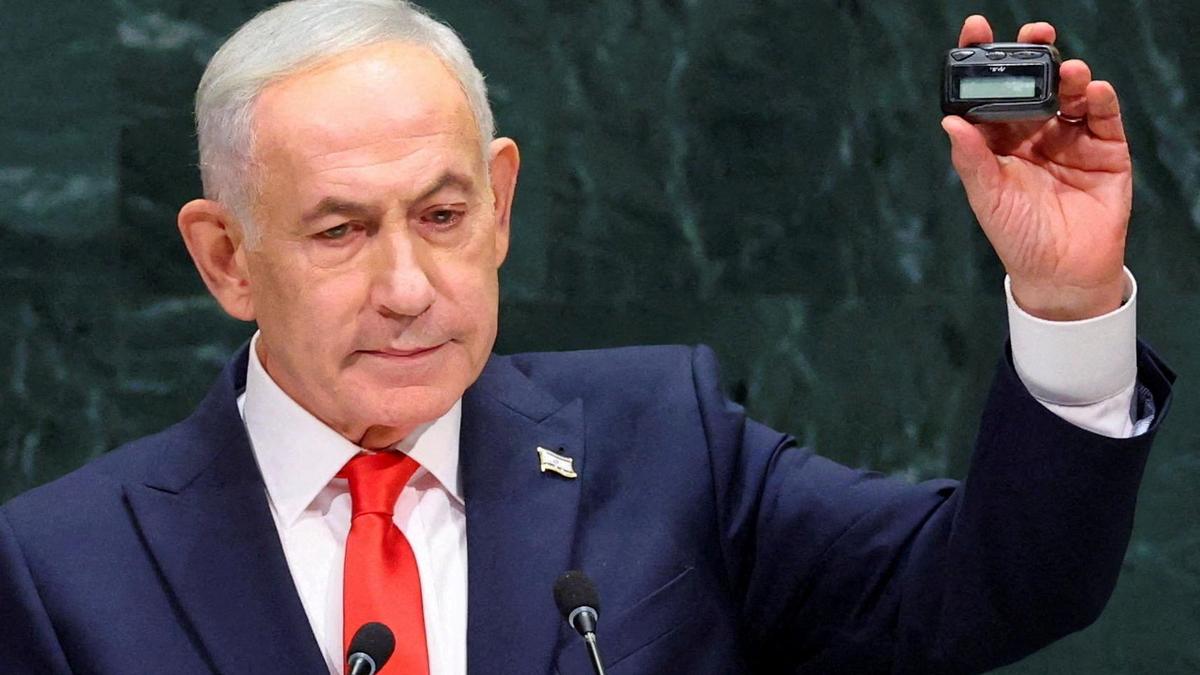
Israeli Prime Minister Netanyahu Makes Unannounced Visit to UAE

World Leaders Gather for Climate Summit, Pledges Made