Iran's President Announces Release of $6 Billion Frozen Assets


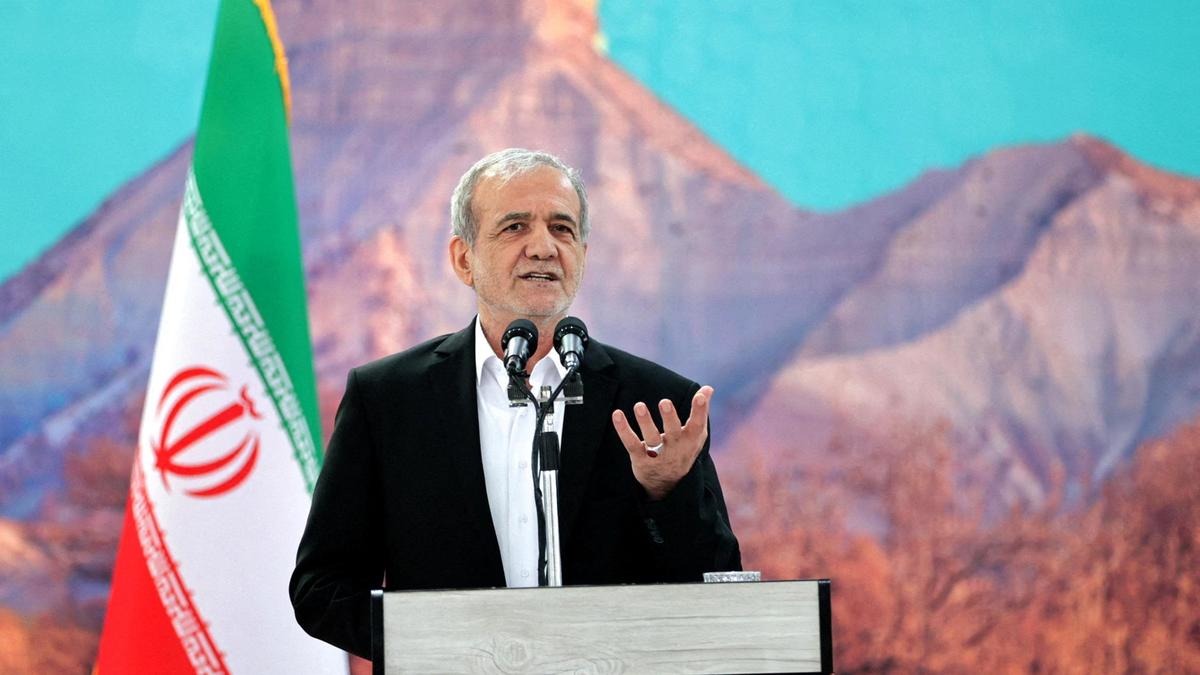
Iran's President Masoud Pezeshkian announced on June 29, 2026, that $6 billion of frozen Iranian assets will be released by Qatar. This declaration comes as discussions with the United States face significant challenges, particularly following a series of hostile incidents in the Persian Gulf. Pezeshkian's comments reflect an attempt to garner support within Iran for an interim agreement that has emerged from ongoing negotiations.
The release of the funds is notably connected to Iran's strategic control over the Strait of Hormuz, a critical maritime passage where approximately 20% of the world's traded oil and natural gas transit. Recent Iranian actions, including drone and missile strikes against shipping in the region, have raised tensions and cast doubt on the stability of these negotiations.
"Based on the plans made, $6 billion out of the total $12 billion of Iranian resources in Qatar will be released and returned to the country, and necessary follow-ups are being carried out," Pezeshkian said. His remarks came through the state-run Islamic Republic News Agency (IRNA). The President, identified as a reformist, underlined the importance of these developments while expressing hope for future relations.
The International relations landscape has further complicated, as Iran reportedly engaged in attacks targeting vessels near Oman's coast. These incidents prompted defensive measures from U.S. military forces and raised fears that ongoing peace negotiations could be derailed.
Mediation efforts led by Pakistan are expected to continue, with bilateral discussions between the U.S. and Iran scheduled to resume on June 30, 2026. In this context, U.S. officials have maintained there has been no formal release of frozen Iranian assets to date, contradicting Pezeshkian's claims. Qatar has yet to affirm any transfer of funds, highlighting the complexities and uncertainties surrounding the issue.
The United States, under the previous administration's policies, has imposed stringent economic sanctions on Iran, resulting in over $12 billion of its assets being frozen internationally. This financial stranglehold remains a point of contention between the two nations as they explore the potential for a thaw in relations amidst rising geopolitical tensions.
As these events unfold, the global community watches closely, particularly regarding the implications for energy markets and regional stability. Iran's moves in the Gulf and the pending discussions might be pivotal in reshaping the existing dynamics in the Middle East, a region already fraught with conflict and competition.
BJP Allies Urge Election Commission to Address Public Concerns
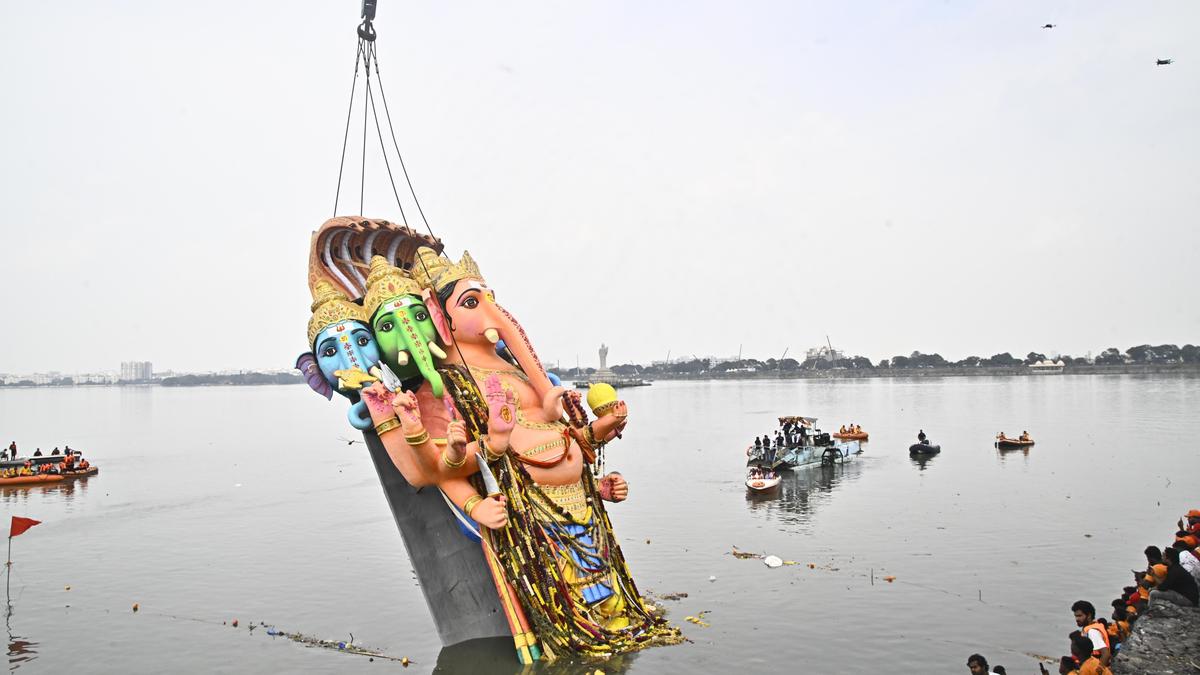
Thousands of Ganesh Idols Immersed in Telangana Festivities
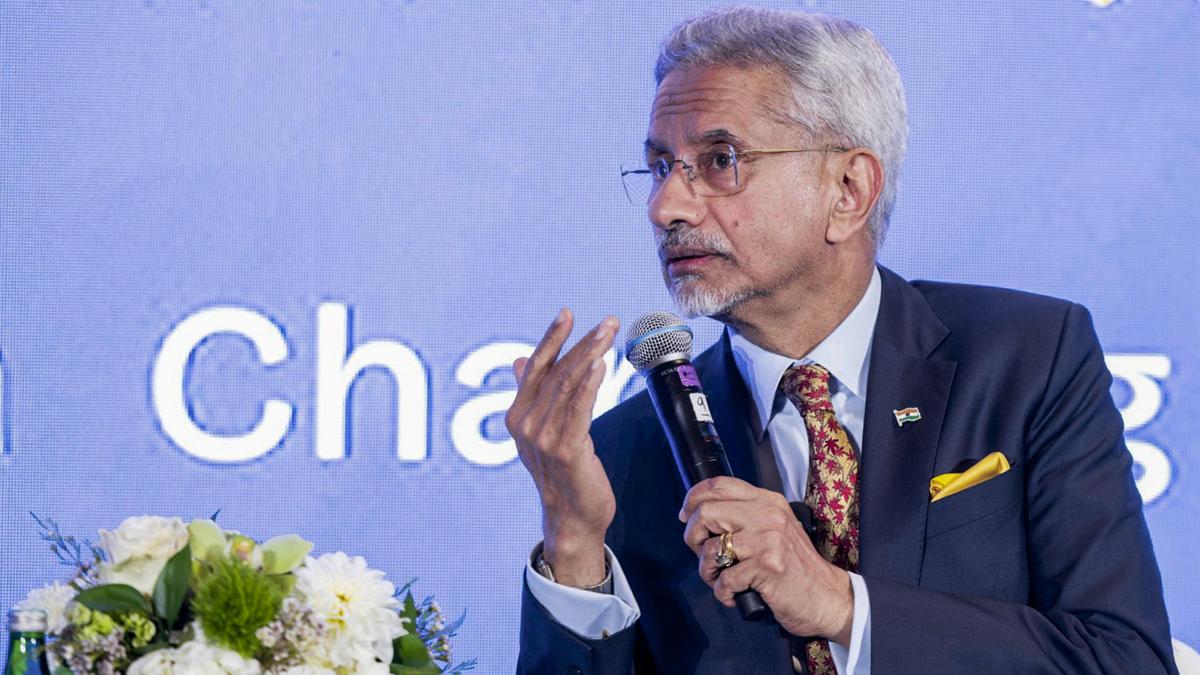
Jaishankar Calls Attacks on Civilian Shipping ‘Indefensible’
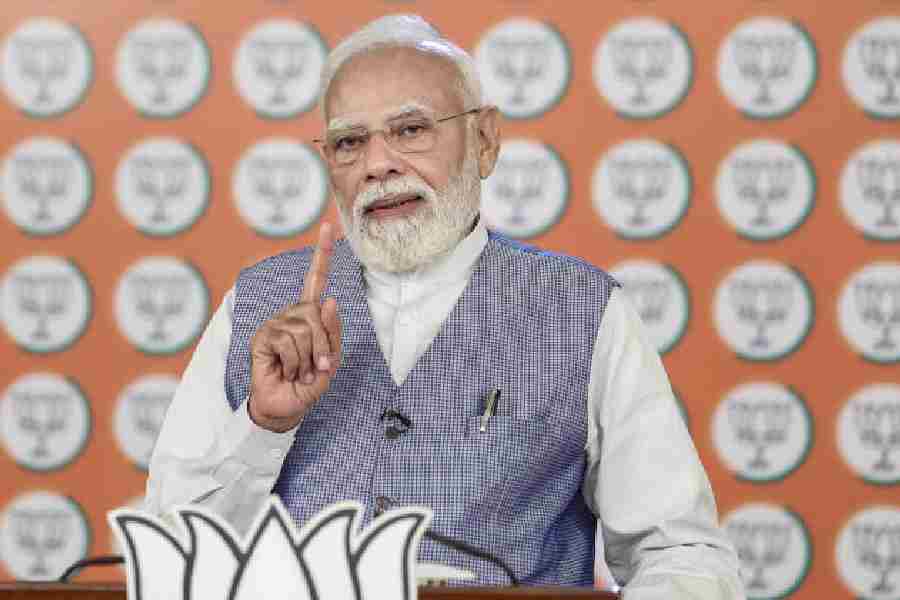
Indian Prime Minister Urges Integration of Social Reforms in Governance