Israel-Lebanon Agreement Met with Mixed Reactions in Israel


A recent framework agreement signed by Israel, Lebanon, and the United States aims to reduce hostilities, particularly those involving Hezbollah. However, the Lebanese group has outright rejected the deal, complicating the prospects for peace.
The agreement, announced following negotiations in the United States, outlines a "sequenced process" for enhancing Lebanese military control over its territory. This plan reflects an intention to address the disarmament of non-state armed groups, specifically Hezbollah, which has been engaged in fluctuating conflicts with Israel since October 2023. Israeli forces, currently occupying parts of southern Lebanon, are set to gradually redeploy following the successful disarmament of Hezbollah.
While the framework specifies two initial zones for an Israeli troop withdrawal, it does not clarify how the disarmament will be verified. As pointed out by Yossi Mekelberg, a senior consulting fellow at Chatham House, the efficacy of this agreement will rely on its implementation.
The agreement emerges in the backdrop of a recent memorandum of understanding between Washington and Tehran, stipulating the cessation of US and Israeli military actions against Iran, contingent upon Israel’s withdrawal from Lebanon and respect for Lebanese sovereignty.
Hezbollah’s Secretary-General, Naim Qassem, branded the framework as "null and void" and insisted that it should not be linked to any discussions regarding the group's disarmament, deeming it a violation of significant boundaries.
Israeli Prime Minister Benjamin Netanyahu, in a video statement, hailed the agreement as a significant setback for Iran and Hezbollah, emphasising Israel's commitment to maintaining its strategically important buffer zone in southern Lebanon until Hezbollah is disarmed. He urged the Israeli populace, particularly those in northern regions vulnerable to Hezbollah attacks, to recognise that the new agreement aims to restore control to Lebanon while pushing back against Iranian influence.
Israeli politicians have responded with mixed sentiments. Opposition leader Yair Lapid expressed concerns that the framework allows Iran to continue supporting Hezbollah, while others echoed frustrations regarding Israel's longstanding approach towards the group. Former Deputy Prime Minister Avigdor Lieberman noted that as long as Hezbollah remains empowered, future conflicts are inevitable.
Local leaders in northern Israel, the primary target of Hezbollah's actions, responded cautiously to the agreement. David Azoulay, head of the Metula Regional Council, indicated support but stressed that any withdrawal must be strictly managed and contingent on Hezbollah's disarmament. Eyal Shmueli from Kfar Vradim expressed doubts based on past failures of the Lebanese government to curb Hezbollah’s influence.
Ahron Bregman, a senior fellow at King’s College London, described the framework as a strategic effort by Israel and the US to reduce Iranian influence, although he believes such efforts are unlikely to succeed. He highlighted that neither Hezbollah, which positions itself as Lebanon's defender, nor Iran, emboldened by recent negotiations, show any inclination to disarm.
Given this backdrop, many view this agreement as yet another addition to a series of unsuccessful Israeli-Lebanese treaties, including the 2006 United Nations Resolution 1701 aimed at resolving earlier hostilities. The path to peace remains fraught with challenges as underlying tensions persist.
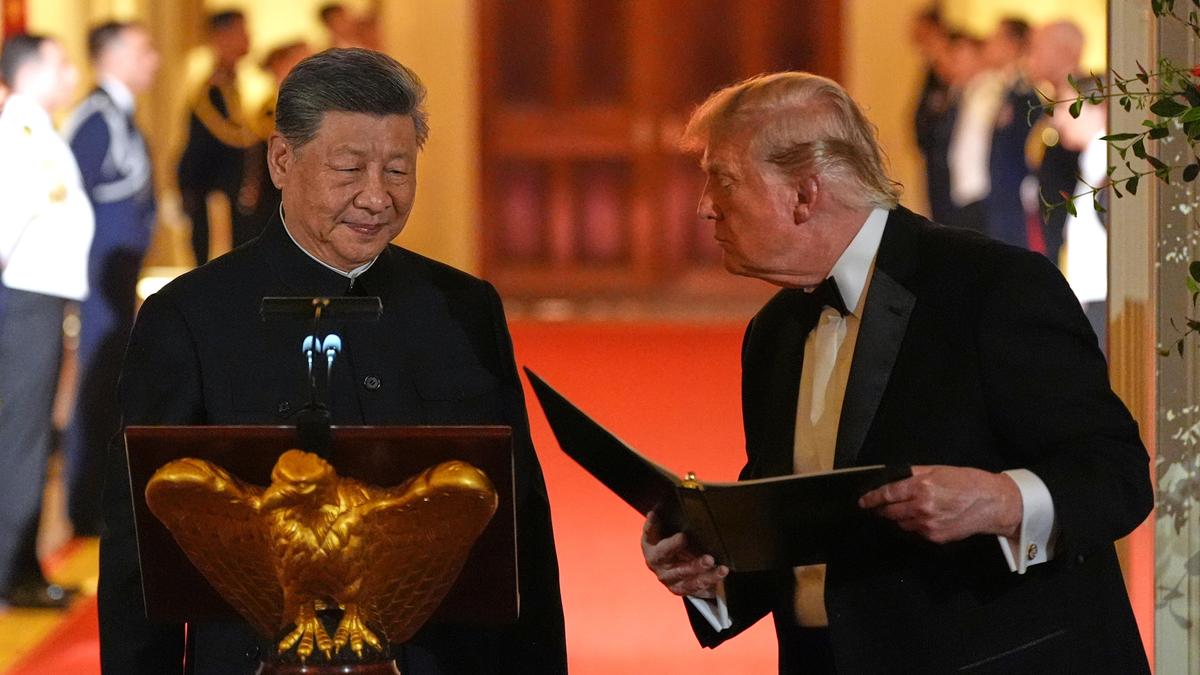
Trump and Xi Discuss Trade, AI, and Taiwan Amid Diplomatic Tensions

Xi Jinping Seeks Greater Concessions from Trump Amid Trade Talks
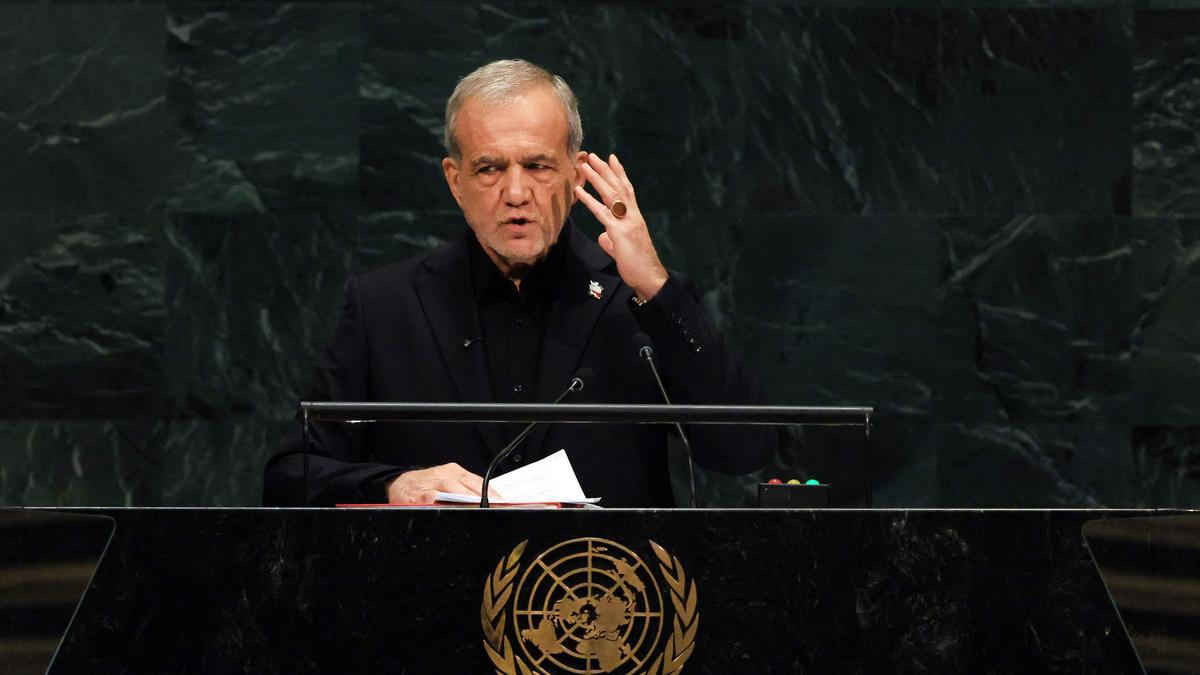
Iran's President Addresses Ongoing Conflict and External Threats
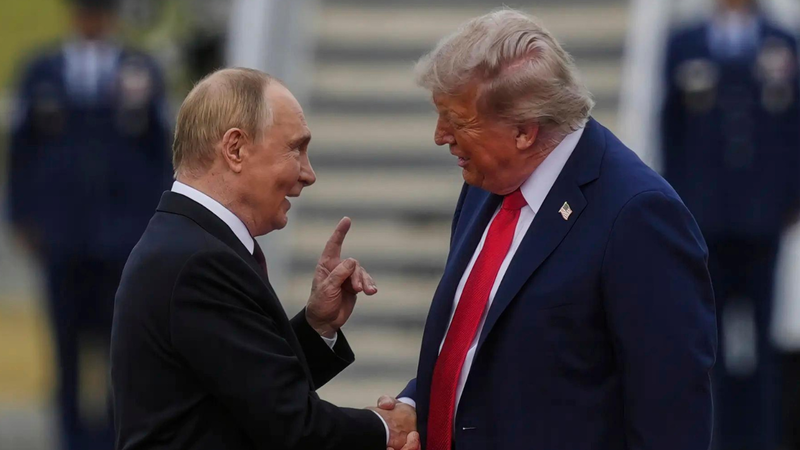
United States Invites Vladimir Putin to Miami G20 Summit