Hungarian Elections Prompt Shift in Russia's European Relations


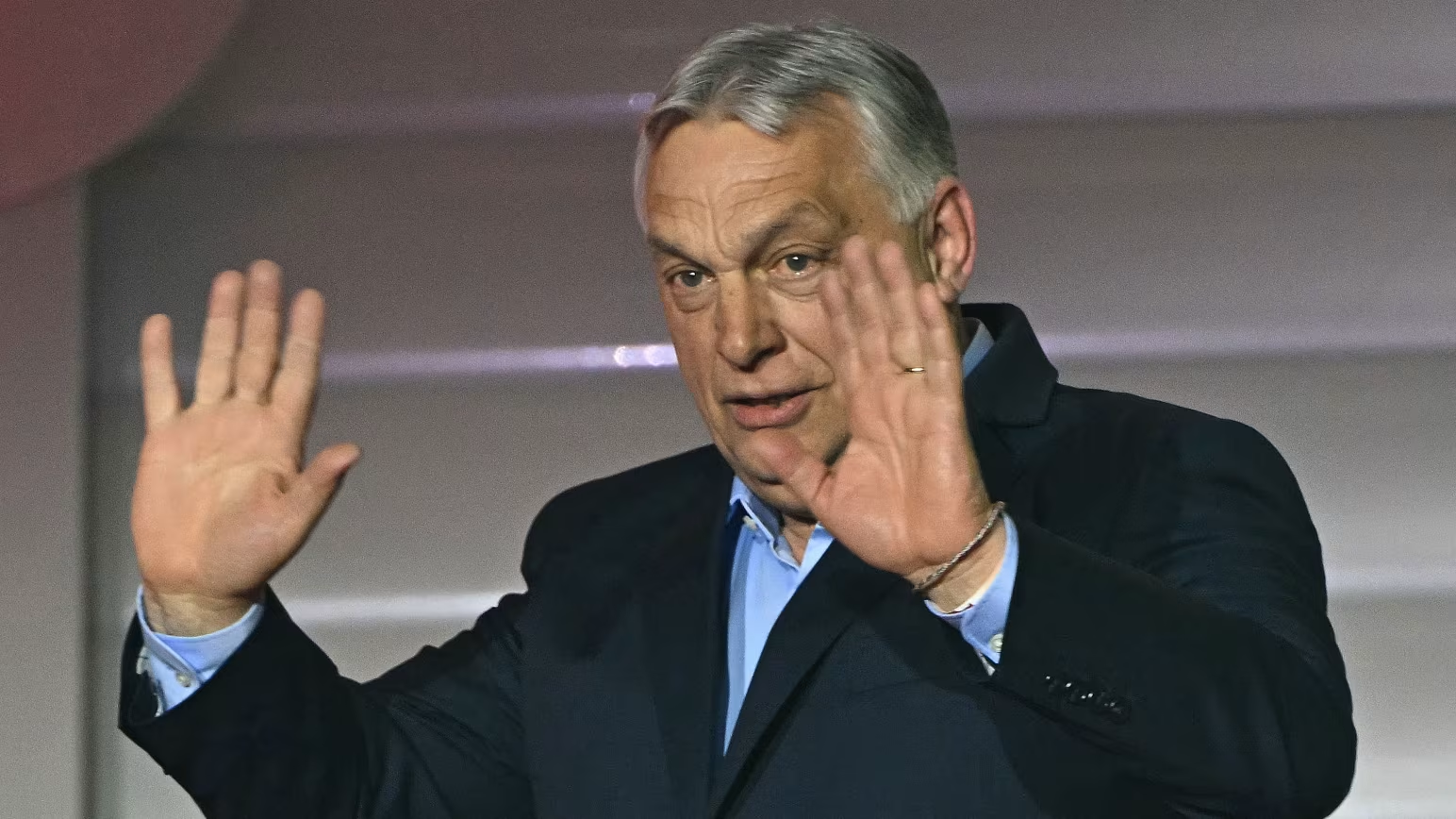
The Kremlin has expressed its response following the recent elections in Hungary, where Viktor Orbán, its closest ally in Europe, suffered a significant defeat. New Prime Minister Péter Magyar has indicated a willingness to engage in dialogue, prompting Moscow to adopt a cautious approach.
Dmitry Peskov, the spokesperson for the Kremlin, remarked that the government is pleased with Magyar's apparent openness. "For now, we can note with satisfaction, as far as we understand, his willingness to engage in pragmatic dialogue," stated Peskov. Nevertheless, the Kremlin refrained from congratulating Magyar immediately after his election, instead characterising Hungary no longer as a special partner but as one of the “unfriendly countries” in Europe.
Acknowledging Orbán’s defeat, Peskov stated, "Hungary made its choice. We respect that choice." This change indicates a critical juncture for Moscow as it navigates loss of influence in Hungary, a nation that has maintained a complex relationship with Russia under Orbán’s leadership.
Magyar's stance appears to differ from that of his predecessor, suggesting Hungary would not sever ties with Russia unexpectedly. He confirmed the necessity of continuing energy imports from Russia, emphasising, "We cannot change geography." Hungary currently relies on Russia for over 80% of its fossil gas and crude oil, creating an energy dependence that could prolong Moscow's influence in the country.
In his initial statements, Magyar indicated a practical approach, stating, "Russia will be there; Hungary will be here. But we will try to diversify." This hints at a balancing act between maintaining energy needs and addressing Western relations.
Importantly, Magyar has articulated a clearer stance on the conflict in Ukraine, viewing Russia as the aggressor. He expressed willingness to engage directly with Russian President Vladimir Putin, aiming to end the ongoing conflict. "If Vladimir Putin calls, I’ll pick up the phone," he asserted, marking a notable shift from Orbán’s prior rhetoric.
Under Orbán, Hungary's government had often undermined European Union responses to Russia’s actions, vetoing aid to Ukraine and advocating for weakened sanctions. The recent election, however, has seen public sentiment shift markedly. Reports indicated that crowds in Budapest celebrated Orbán’s loss with chants calling for an end to Russian influence, echoing an anti-Russian sentiment from the 1956 Hungarian Revolution.
Political analysts suggest the election outcome serves as a warning for the Kremlin regarding the unpredictability of democratically elected leaders in Europe. Alexander Baunov of the Carnegie Endowment for International Peace stated that the result reinforces a belief among some in Russia that only authoritarian states can be counted on as reliable allies. He also expressed concern over the potential implications for other Western nations, suggesting a need for the Kremlin to rethink its strategies.
Comments from various media and social channels in Russia further reflect uncertainty about future relations with Western countries. Some commentators warned about overreliance on populist figures, hinting that leadership could shift abruptly, resulting in policies that are less favourable to Russian interests.
The overall sentiment in Russian discourse is one of self-reliance in the ongoing conflict, with few expectations of foreign assistance. As this situation develops, the Kremlin's management of its relations with Hungary and other European nations will serve as a test of its diplomatic strategy following Orbán's departure from power.
Kerala Initiates Probe into 2006 Suicide Case Involving CEC
Extradition of Sheikh Hasina Feasible, Says Indian High Commissioner

Punjabi Makeup Artist Mad Sandhu Shot Dead in Amritsar
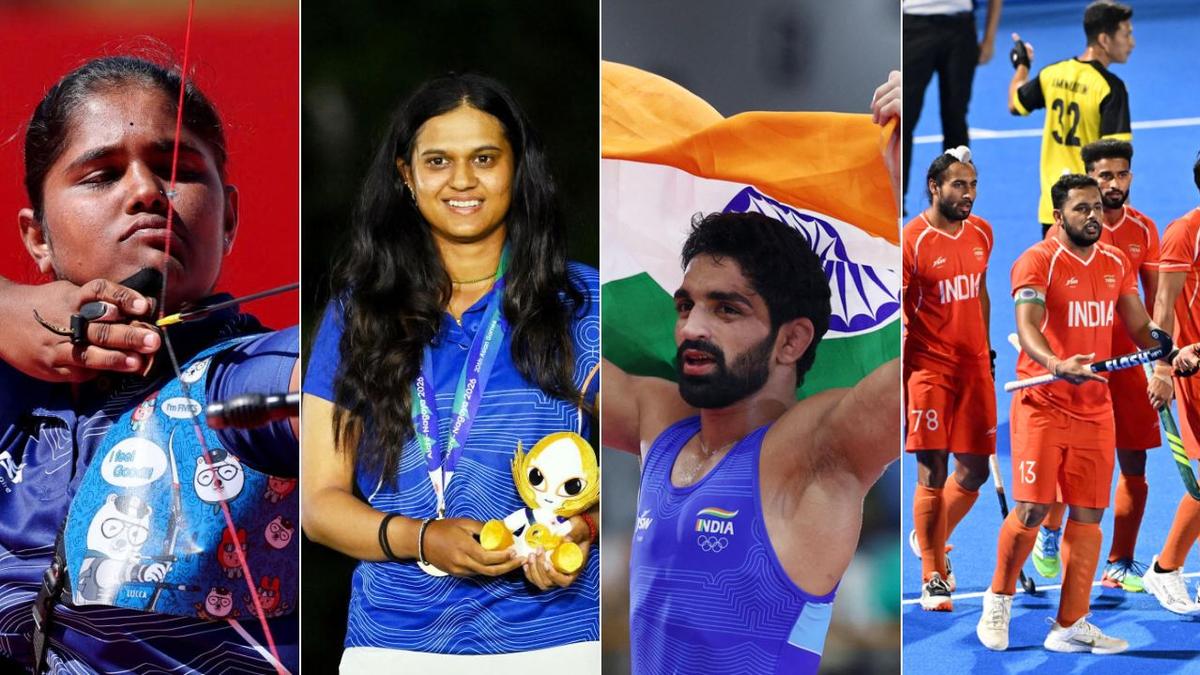
India Achieves Fourth Place at Asian Games 2026 Through Late Success