Activists Demand Immediate Implementation of Women's Quota in Parliament


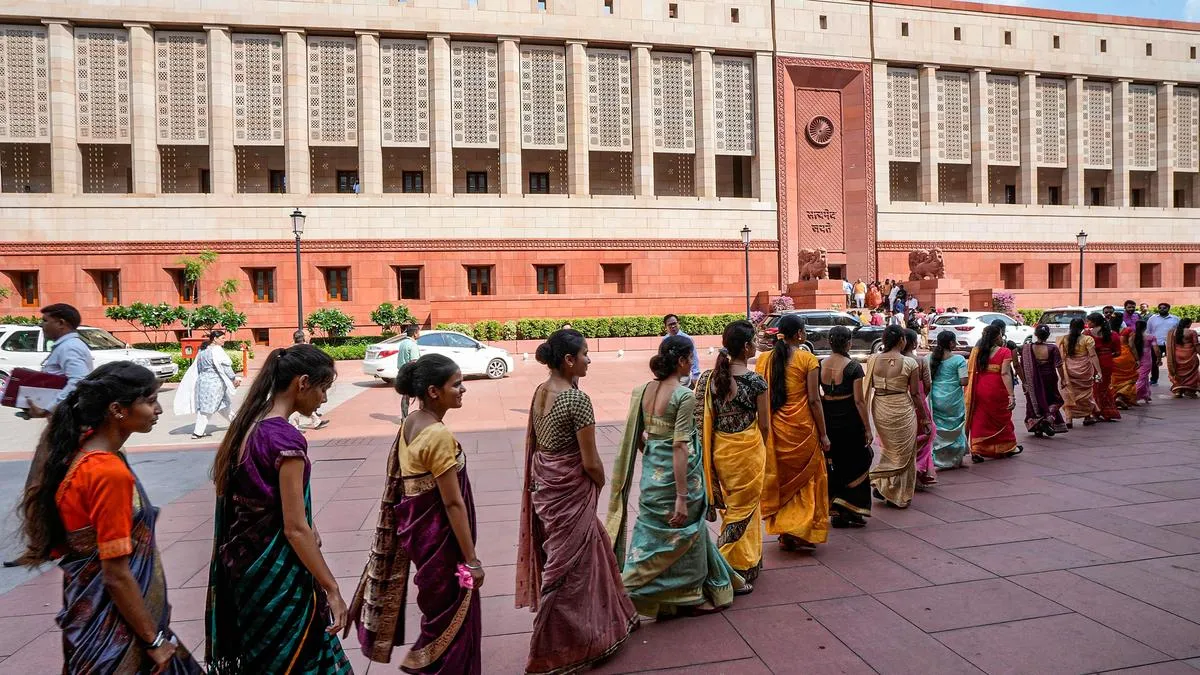
Women’s rights advocates and members of civil society have urged the Indian government to promptly implement the women’s reservation Act at the current strength of Parliament. They argue that the Act should not be obscured by discussions of delimitation, a process that involves redrawing electoral boundaries.
The calls for immediate enforcement come in light of plans for Parliament to introduce significant amendments to the women’s reservation bill in an upcoming session. This is particularly pertinent as the government has faced criticism over the opaque manner in which these legislative changes are being handled.
At a recent discussion, activists expressed apprehension that government actions could be perceived as a smokescreen to distract from the more contentious issue of delimitation. They argue that issues of women's representation should be prioritised without being mixed with other political manoeuvres.
Prime Minister Narendra Modi has also expressed support for the women’s reservation bill, stating that it aligns with opposition demands for its implementation. He indicated that Parliament is on the brink of making history as it prepares to discuss amendments designed to ensure that 33% of seats in the Lok Sabha and state assemblies are reserved for women.
Modi highlighted that the government intends to introduce two bills in the upcoming three-day Parliament session beginning April 16, 2026. These bills aim not only to advance the women's quota but also to establish a delimitation commission. The proposed amendments would increase the total number of seats in the Lok Sabha from 543 to 816, thereby reserving approximately 273 seats for women.
The Prime Minister referenced the consensus achieved when the women's reservation bill was initially passed in 2023, calling for a united effort among lawmakers to further the cause of women’s representation. He stated, “This decision is dedicated to Nari Shakti (women power). Our Parliament is close to creating a new history that will meet the aspirations of the past and fulfil the dreams of the future.”
However, there remains significant opposition to the government’s proposal to decouple the delimitation process from the ongoing Census. Critics assert that this move could lead to unrepresentative electoral boundaries, undermining the very purpose of the reservation intended for women.
Activists underscore the importance of transparency and inclusivity in the legislative process, claiming that decisions surrounding women’s representation deserve careful consideration and widespread consultation. As Parliament prepares to convene, the pressing question remains whether the government will heed the calls for clarity and integrity in the implementation of women’s quota legislation, or whether these discussions will continue to be thwarted by political wrangling ahead of upcoming state elections.
Kerala Initiates Probe into 2006 Suicide Case Involving CEC
Extradition of Sheikh Hasina Feasible, Says Indian High Commissioner

Punjabi Makeup Artist Mad Sandhu Shot Dead in Amritsar
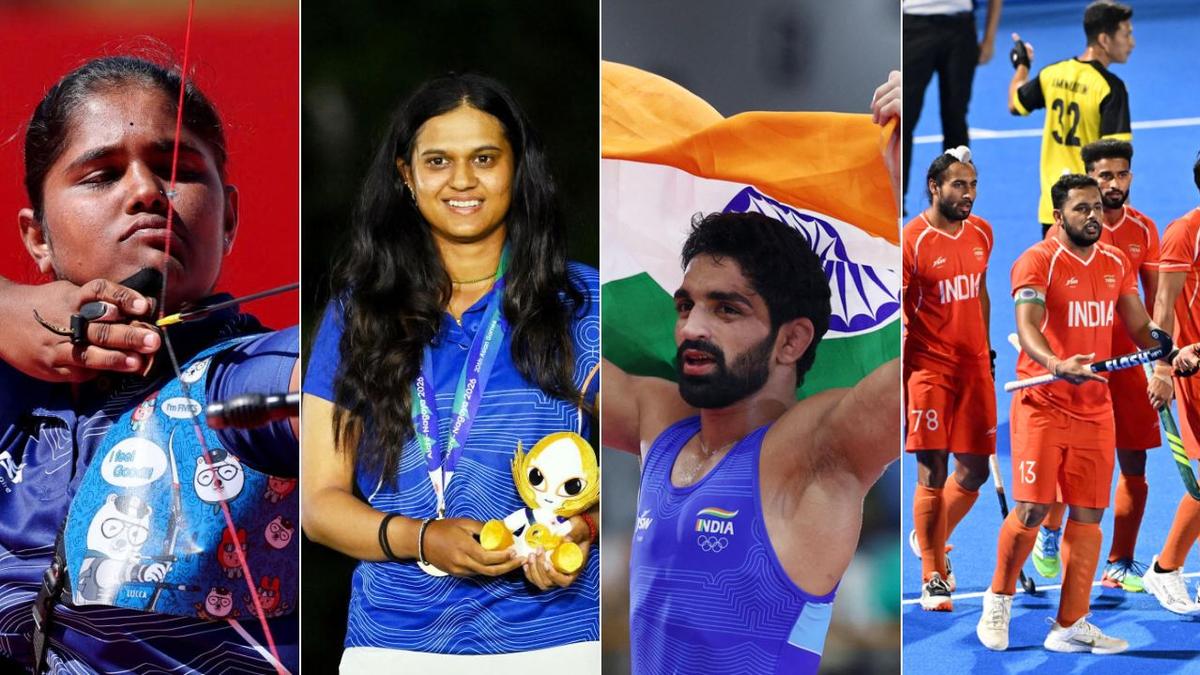
India Achieves Fourth Place at Asian Games 2026 Through Late Success