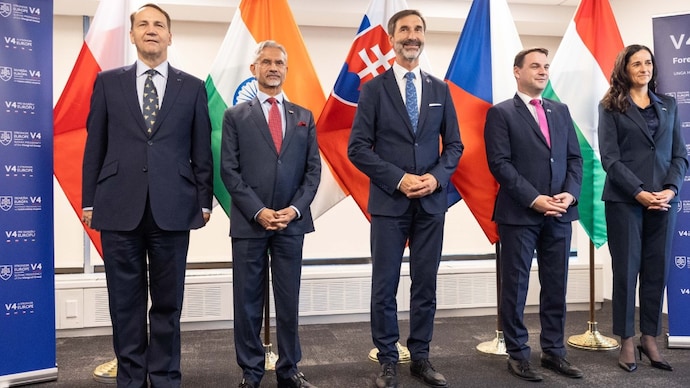
Donald Trump Rejects Indian Peacekeepers for Ukraine – New Book Reveals


A recently released book, titled Regime Change, unveils internal disagreements within Donald Trump's second administration regarding the approach to the ongoing conflict in Ukraine. The book, authored by reporters from The New York Times, Maggie Haberman and Jonathan Swan, details discussions held on January 30, 2025, about the potential deployment of Indian or Saudi Arabian troops as peacekeepers. This meeting took place in the Oval Office shortly after Trump's second inauguration.
During the meeting, Vice President JD Vance proposed considering a non-European force to oversee a ceasefire in the ongoing war. However, Trump reportedly rejected the notion of India’s involvement almost immediately. According to the book, he reacted with laughter, stating, "The Indians won’t do that. They won’t pay for something like that."
The meeting was convened by retired Army Lieutenant General Keith Kellogg, appointed by Trump as the special presidential envoy for Ukraine and Russia. Kellogg presented a draft plan entitled "An America First Plan: Trump’s Historic Peace Deal for Russia-Ukraine War," which outlined a strategy for reducing hostilities. Under this plan, the United States would not formally acknowledge Russia's territorial claims over occupied Ukrainian regions, while Ukraine would commit to not recapturing these areas using force.
Central to this proposal was a contentious suggestion of involving European nations such as France, Britain, and the Netherlands to send peacekeeping forces into Ukraine. Vice President Vance opposed this component, cautioning that deploying troops from North Atlantic Treaty Organisation (NATO) member states might be perceived by Moscow as a serious escalation.
As discussions continued, Vance sought alternatives, consulting National Security Advisor Michael Waltz on the viability of non-European nations overseeing the ceasefire. Waltz agreed that a troop presence from outside Europe would be preferable. Consequently, Vance put forth India and Saudi Arabia as potential contributors for the peacekeeping mission.
Despite his stated rapport with Indian Prime Minister Narendra Modi, Trump dismissed the idea of India's involvement, maintaining that the country "does not ever pay for anything" and reiterating that “they won’t pay for something like that.”
Moreover, Trump expressed no fundamental objections to British or French troops being deployed, suggesting it would be acceptable provided that the United States incurred no financial or military obligations in the process.
The book further illustrates the Trump administration's scepticism towards the Ukrainian leadership, revealing that Trump frequently interrupted Kellogg’s presentation to criticise Ukrainian President Volodymyr Zelenskyy. He labelled Zelenskyy a “bad negotiator” who had “destroyed his country,” yet noted that he was adept at obtaining resources from the current Democratic administration. Trump also categorised Ukraine as “the most corrupt country in the world.”
This account sheds light on the complexities and tensions within the U.S. administration concerning military involvement in Ukraine, alongside perceptions toward India's role in international affairs.
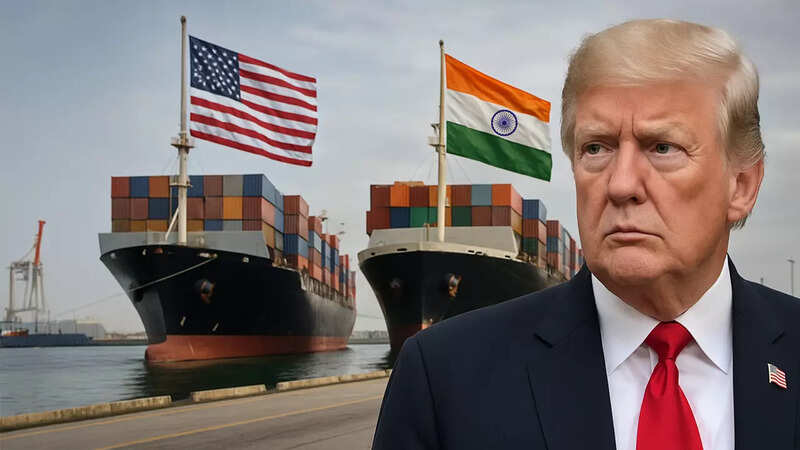
Impact of Trump's Tariff Law on India's Oil Imports and Trade
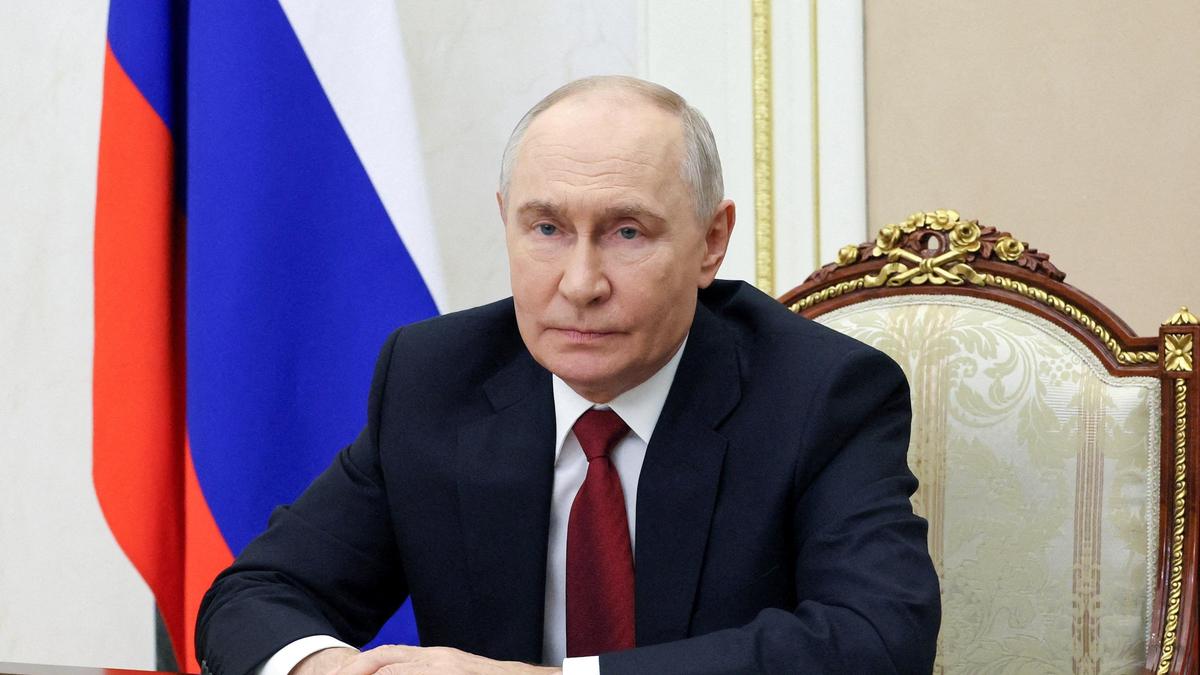
United Russia Party Secures Supermajority Despite Ukraine Conflict
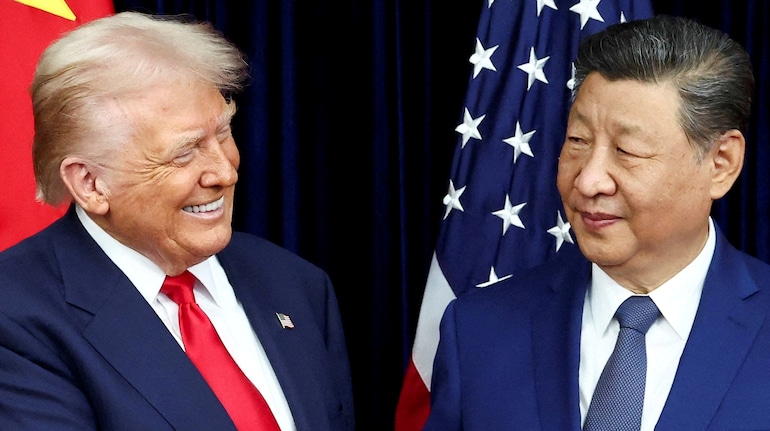
Xi Jinping's US Visit Planned Amid Economic Tensions with Trump
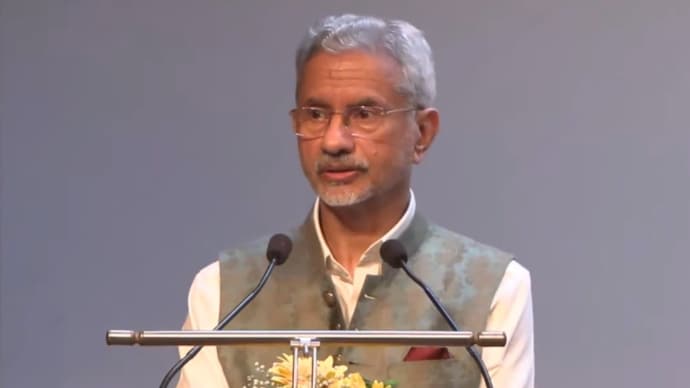
India's External Affairs Minister to Address UNGA Amid US Tariff Changes