US and Iran Engage in Talks for Peace Agreement in Switzerland


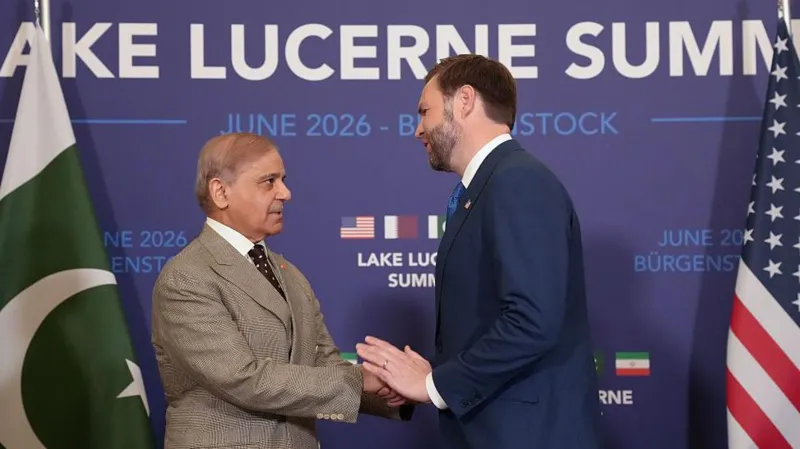
Officials from the United States and Iran have initiated direct discussions in Switzerland following the signing of a preliminary agreement intended to terminate hostilities between the two nations. The agreement stipulates that both parties commit to achieving a comprehensive resolution within 60 days and includes measures to cease all military activities, including in Lebanon. The reopening of the Strait of Hormuz, a vital maritime route for global oil transportation, is also central to the talks.
Despite these negotiations, conflict continues to escalate in Lebanon, prompting Iran to announce the closure of the Strait on the Saturday prior to the talks. Data from maritime tracking indicates that vessels have persisted in using the route despite these claims. In response to the situation, US President Donald Trump stated on social media that Iran must cease its support for proxy groups in Lebanon or risk severe consequences, including renewed military action.
Vice President JD Vance, who is part of the US delegation alongside special envoy Steve Witkoff and Jared Kushner, expressed hope that the discussions would make headway on issues including Iran's nuclear ambitions and the conflict in Lebanon. He noted that the US is prepared to redefine its relationship with Iran, given that the Iranian leadership is willing to relinquish its pursuit of destabilising regional activities and nuclear capabilities.
Iranian officials have stipulated that their negotiations depend on the enforcement of existing commitments, which includes halting military operations. Iranian Foreign Ministry spokesman Esmaeil Baqaei remarked that the focus of the initial discussions would be on the practical implementation of the agreements.
The Iranian delegation, including parliamentary Speaker Mohammad Bagher Ghalibaf and Foreign Minister Abbas Araghchi, arrived in Switzerland ahead of the talks. Pakistan has taken a central role as a mediator in these negotiations, having hosted earlier dialogues between the US and Iran.
The preliminary agreement aims to end military conflicts, including hostilities in Lebanon, where tensions have surged following Israel's attacks on Hezbollah, an Iran-affiliated militant group. Since hostilities reignited, the region has seen significant casualties, with reports of numerous lives lost in both Lebanon and Israel. The agreement facilitates the unblocking of Iranian assets and terminates certain sanctions against Iran.
Nevertheless, key issues, particularly regarding Iran’s nuclear program, remain unresolved. Responses from both sides to these complexities have varied, with Iranian authorities stating their nuclear programme is solely for peaceful purposes. As the situation develops, the international community remains watchful of the negotiations and their potential impact on regional stability and global oil markets.

Mamata Banerjee Challenges Election Commission in Supreme Court
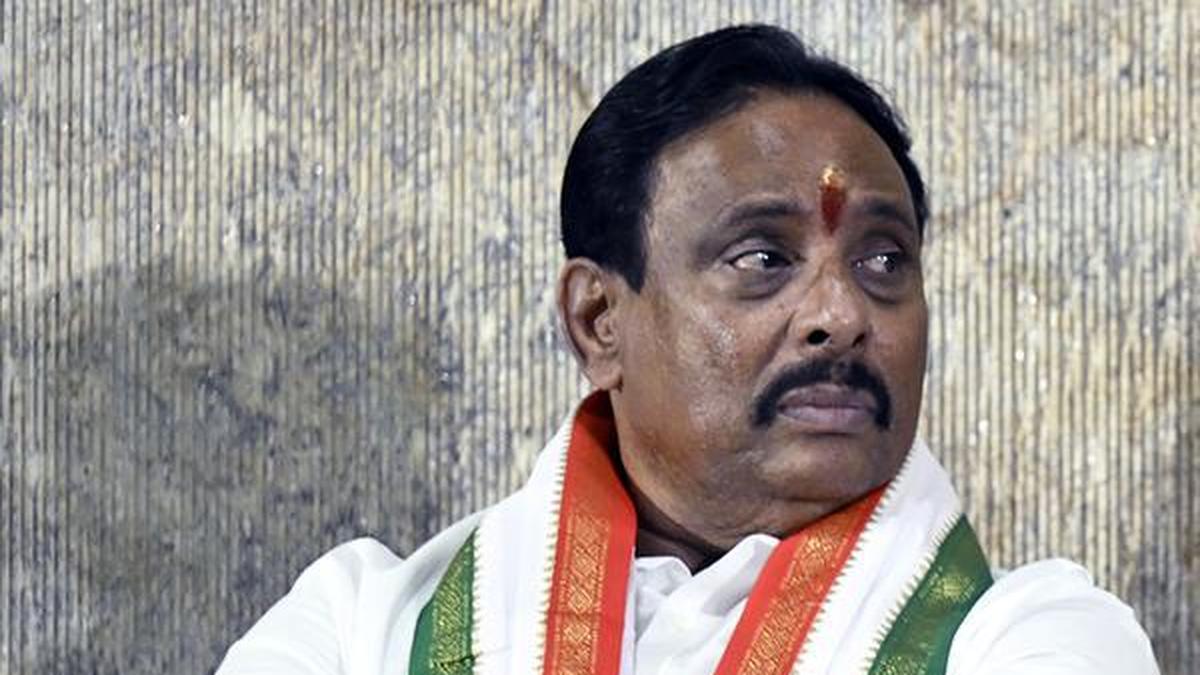
Telangana High Court Disqualifies MLA Danam Nagender Amid Political Fallout

Scottish Sikh Man Receives Bail in India After Nine-Year Detention

Delhi Police Investigate Gang-Rape and Murder of 16-Year-Old Girl