First Detection of H5N1 Bird Flu in Australia Raises Alarm


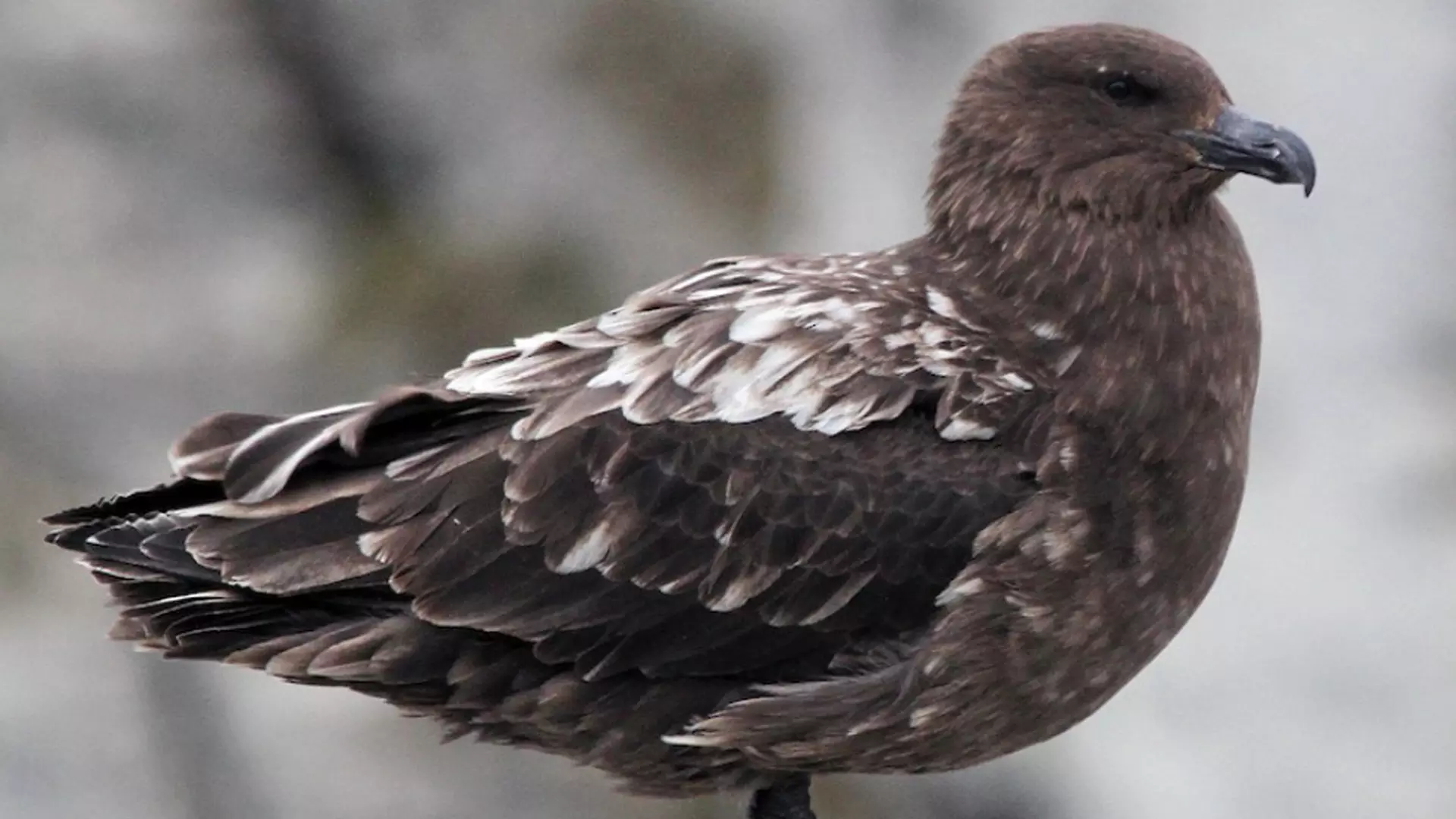
Authorities in Australia have confirmed the first case of H5N1 bird flu, marked by the discovery of a brown skua infected with the virus. This seabird was found in Cape Le Grand National Park, near Esperance, approximately 700 kilometres south-east of Perth. Alongside the brown skua, there is evidence that a nearby southern giant petrel may also be infected. Initial tests, followed by samples sent to the Commonwealth Scientific and Industrial Research Organisation (CSIRO), confirmed that the subtype identified belongs to the clade 2.3.4.4b lineage of H5N1. H5N1, known as highly pathogenic avian influenza, has caused catastrophic impacts on wildlife populations worldwide and could now threaten Australia's unique bird species.
Avian influenza is commonly classified by its subtypes based on two surface proteins, haemagglutinin (H) and neuraminidase (N). While most strains do not cause illness in birds, the H5N1 variant has emerged as a significant threat. It first became a concern in 1996 and has since evolved, leading to serious disease outbreaks in both avian and mammal populations across various continents. Reported global deaths due to H5N1 have reached millions, with notable impacts on specific bird species, particularly around the northern hemisphere.
The pathways for H5N1 transmission are varied and complex. The virus predominantly spreads through faecal contamination in water sources, with ducks playing a significant role. Infected birds can transmit the virus to other species through various contact points, including scavenging behaviours. As a result, a variety of bird species are implicated in the spread of this disease.
The discovery of H5N1 on the Australian mainland has raised concerns about the potential for broader infection. The brown skua and southern giant petrel likely arrived from subantarctic regions, as evidence suggests the virus has been present in those areas long before reaching Australia. Reports indicate the virus was confirmed on Heard Island in 2025, resulting in fatalities within local penguin and seal populations.
Despite these developments, Australian officials, including Federal Agriculture Minister Julie Collins, maintain that there is currently no evidence of mass mortality or infection in local poultry populations. Ongoing surveillance and environmental monitoring are essential to determine the extent of the outbreak and prevent wider dissemination. Collins emphasised the importance of vigilance, urging the public to report any sick or deceased animals to the appropriate wildlife authorities.
Experts have cautioned that if H5N1 establishes itself in local wildlife, there could be dire consequences for Australia's biodiversity. Previous avian influenza outbreaks have dramatically affected different species; research indicates significant population declines in birds such as northern gannets and southern elephant seals. The risk factors identified include species that are already threatened or endangered, raising alarms among wildlife conservationists.
As such, wildlife authorities are developing comprehensive response strategies aimed at protecting at-risk species, particularly in critical habitats. Dr Fiona Fraser, Australia's threatened species commissioner, highlighted the collective efforts being made to assess vulnerabilities within Australian wildlife.
Dr Ariful Islam, a veterinary epidemiologist, referred to the situation as a wildlife emergency, underscoring the need for immediate action and research. Ensuring that the virus does not establish further is crucial for the health of both agricultural sectors and the diverse ecosystems within Australia. The outlook may depend on rigorous control measures and public cooperation in reporting incidents involving potential cases of H5N1.

ABVP Wins Majority in Delhi University Students' Union Elections

Rahul Gandhi Criticises Modi Government's Attitude Towards Students

Delhi Chief Minister Faces Scrutiny Over Ongoing Notices

Former Union Minister Detained in Punjab Protest Against CM