West Bengal SIR Row: Trinamool Accuses Election Commission of Negligence and Bias


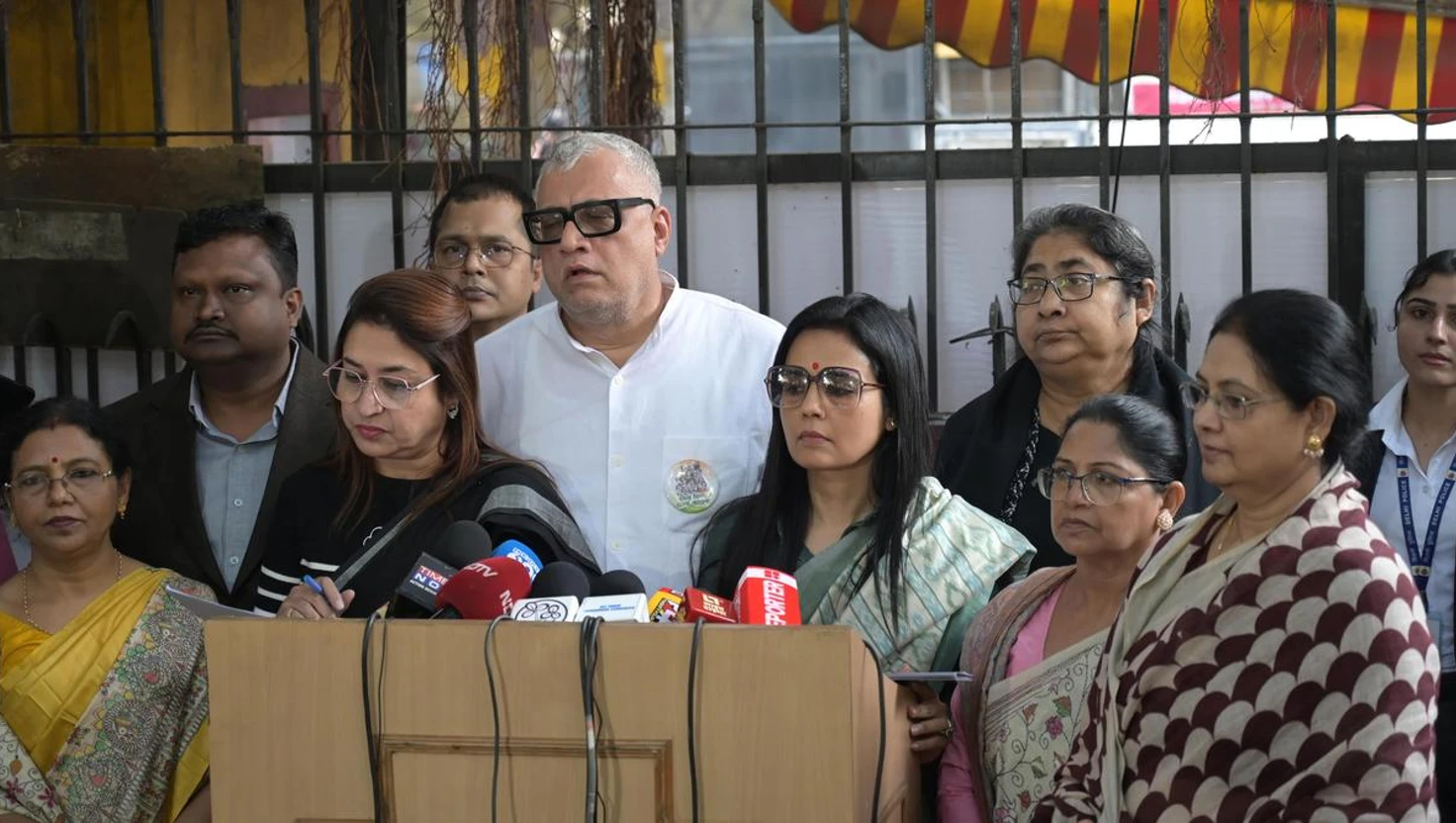
Tensions escalated in New Delhi on Friday as a 10-member delegation from the Trinamool Congress (TMC) met the full bench of the Election Commission of India (ECI) to protest the ongoing Special Intensive Revision (SIR) of electoral rolls in West Bengal.
The delegation, led by Rajya Sabha member Derek O’Brien, alleged that the SIR was being carried out in a “heartless and disorganised” manner. According to the party, the procedure had resulted in around 40 deaths among individuals connected to the process, including 18 Booth Level Officers. Speaking to reporters after the meeting, Mr O’Brien said the party had begun the discussion by telling Chief Election Commissioner Gyanesh Kumar that “the Commission has blood on its hands”.
The SIR is a detailed voter list verification exercise conducted by the ECI to identify non-citizens, deceased individuals, and duplicate entries. The procedure is currently under way in 12 Indian states and union territories after a similar exercise in Bihar.
The TMC argued that the revision was being used to remove Bengali voters from the rolls. The delegation submitted a list of the alleged deaths and raised five questions related to the scope, neutrality, and timing of the process. “If infiltration is the concern, why have major border states been excluded?” Mr O’Brien asked, referring to states such as Tripura, Meghalaya and Nagaland. The party also questioned why Assam, which shares a long frontier with Bangladesh, was subjected only to a “special revision” instead of the full SIR.
Lok Sabha member Mahua Moitra said the delegation had handed over a list of the 40 deaths to the Chief Election Commissioner. She claimed the Commission had dismissed their concerns as “allegations”, adding that the party was worried about amendments that allow the appointment of external booth-level agents. Another concern raised by the TMC was the Commission’s view that the current electoral roll — used in India’s 2024 general election — was suddenly “unreliable”.
The ECI provided a sharply contrasting version of the meeting. A senior official said the Commission had given a “point-wise rebuttal” to all the TMC’s claims. The official added that political workers must not “influence or threaten” Booth Level Officers, Electoral Registration Officers or District Electoral Officers, who are state government employees deployed for election duties.
The Commission also instructed senior police officials in West Bengal, including the Director General of Police and the Kolkata Police Commissioner, to ensure that election staff could carry out their duties without pressure. According to the ECI, the TMC was asked to wait until 9 December, when the draft electoral roll will be published, and then file claims or objections as required by electoral law.
A Commission source said the SIR had been successfully completed in Bihar and was being treated as a “model” for other states. The official added that only ineligible entries — such as non-citizens, duplicate voters, and individuals who had moved or died — were being removed. The ECI also questioned why the West Bengal government had not yet disbursed an enhanced allowance for poll officials.
The Commission further reminded the TMC that electoral roll preparation follows constitutional guidelines and that political parties are free to express their views but must avoid “spreading misinformation”.
In response, Mr O’Brien rejected the Commission’s remarks, describing them as “a bag full of lies”. He said none of the five questions posed by the TMC had been answered during what he called the CEC’s “one-hour uninterrupted monologue”.
Context The dispute comes at a sensitive moment in West Bengal, where political competition is fierce and voter identity issues are historically contentious. The state has a long international border with Bangladesh, and debates over migration and citizenship have frequently influenced its elections.
The SIR is one of the Election Commission’s most comprehensive tools for updating voter rolls, but it has often attracted criticism from political parties concerned about disenfranchisement. In West Bengal, where the TMC leads the state government, the party has repeatedly accused federal institutions of acting with bias.
With the draft electoral roll set to be released on 9 December and the window for corrections expected to follow, both sides are likely to face further scrutiny over their handling of the process.
Kerala Initiates Probe into 2006 Suicide Case Involving CEC
Extradition of Sheikh Hasina Feasible, Says Indian High Commissioner

Punjabi Makeup Artist Mad Sandhu Shot Dead in Amritsar
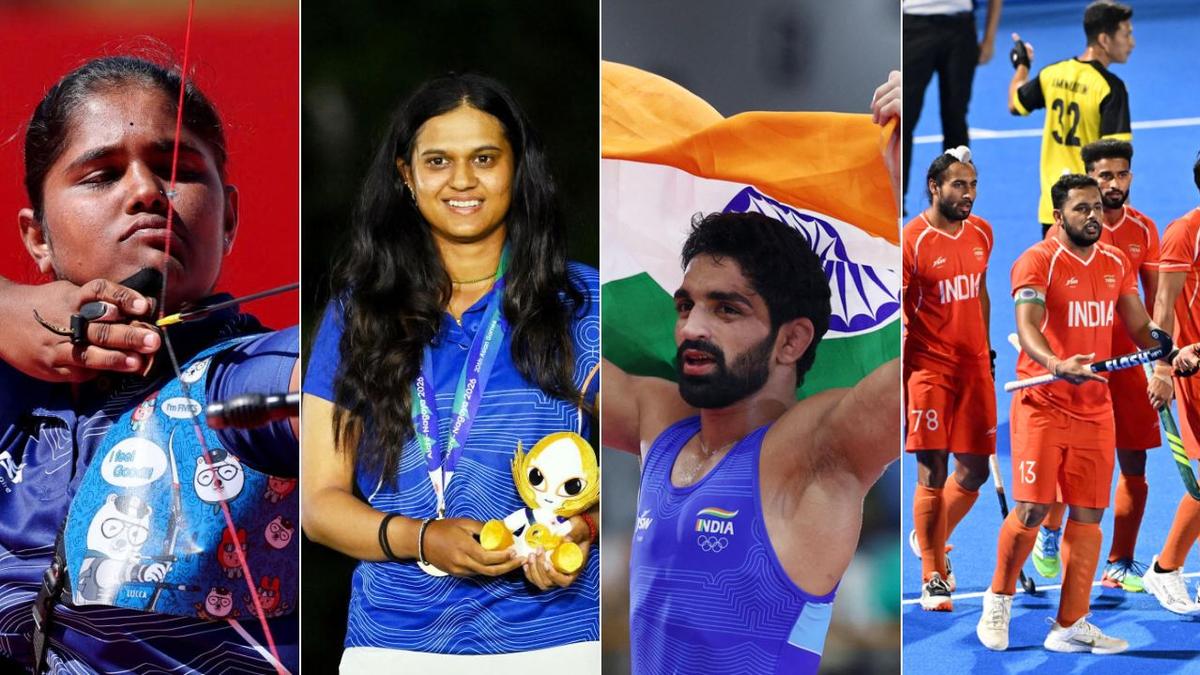
India Achieves Fourth Place at Asian Games 2026 Through Late Success