Gen Z space innovators: Modi hails youth as Skyroot unveils Vikram-I


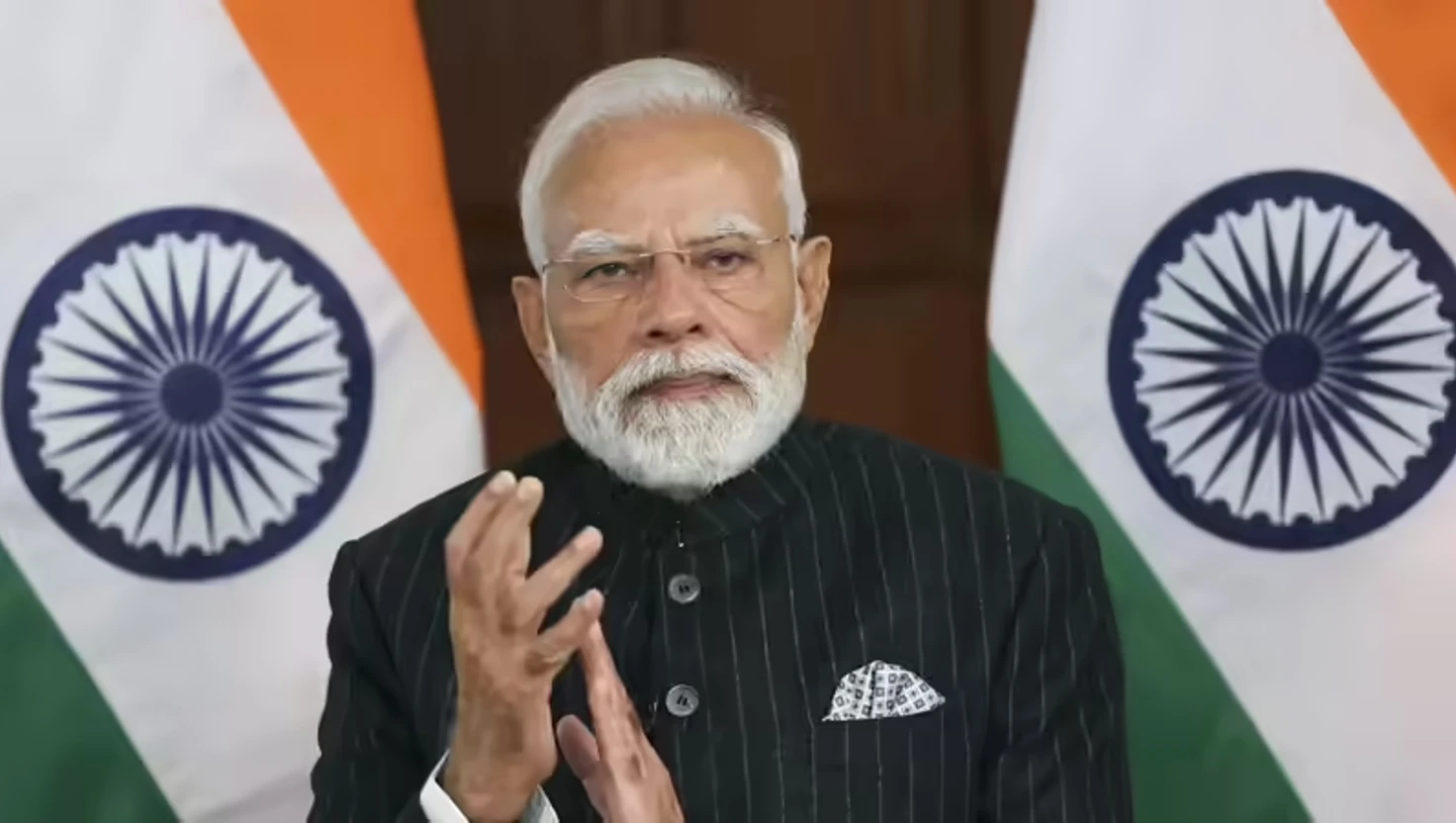
Prime Minister Narendra Modi said India’s youngest innovators were reshaping the national space industry, describing Generation Z professionals as central to the rapid progress achieved since the sector was opened to private companies. His comments came during the virtual inauguration of Skyroot Aerospace’s Infinity Campus in Hyderabad, a facility intended to support India’s emerging commercial launch market.
According to the Prime Minister, more than 300 start-ups are now active in the domestic space ecosystem, a development he attributed to regulatory reforms introduced over the past few years. He said many of these firms began with only a few young engineers working from small rented offices but had since grown to become part of a broader private space movement. “When India opens new opportunities, our Gen Z moves forward with confidence,” he said.
Skyroot Aerospace, founded by former scientists of the Indian Space Research Organisation and graduates of the Indian Institutes of Technology, unveiled its first orbital launch vehicle, Vikram-I, during the event. The rocket is designed to place satellites into low Earth orbit and follows the company’s test flight in 2022, when its sub-orbital vehicle became the first privately built rocket in India to reach space. The new campus, spanning roughly 200,000 square feet, includes facilities for designing, assembling and testing launch vehicles and is expected to produce one orbital-class rocket every month.
The Prime Minister said India’s youth were now contributing to fields previously viewed as out of reach for private companies, including propulsion systems, composite materials and satellite platforms. He added that the sector’s expansion had drawn attention from international firms looking to manufacture satellites in India or partner with domestic launch providers.
Mr Modi linked the advances in space technology to a broader transformation in India’s start-up landscape. He said innovative solutions across finance, agriculture, healthcare, climate technology, education and defence had emerged from a new generation of entrepreneurs, many from towns and villages traditionally distant from established research networks. He described Generation Z as having a “creative mindset, a positive attitude and the ability to build capabilities that can inspire youth around the world”.
During his address, the Prime Minister contrasted India’s stability with unrest in neighbouring countries. Without directly naming specific incidents, he referred to political upheavals and protests in parts of South Asia, saying India’s young people had chosen innovation and national development over destructive paths. He argued that this environment of stability encouraged global investors to place greater confidence in India’s technology sector.
The Prime Minister also highlighted ongoing efforts to expand scientific learning among schoolchildren, noting that more than 10,000 innovation laboratories had been established across the country, with plans to set up tens of thousands more. He said such initiatives were intended to create a foundation for the country’s next generation of scientists and engineers.
Industry analysts say India’s decision to open the space sector to private firms has allowed new companies to offer launch services, design small satellites and develop advanced propulsion systems. However, experts also caution that commercial launch providers face challenges such as the need for large-scale investment, rigorous safety standards and competition from established international players.
Skyroot’s orbital rocket programme and its new campus are seen as an attempt to position India as a competitive provider in the growing global market for small satellite launches. The company hopes that a consistent production line and increased testing capacity will allow it to offer reliable launch schedules for domestic and international clients. The government has said it expects private firms to complement national missions led by the Indian Space Research Organisation while expanding commercial opportunities.
Context India’s move to allow private companies into the space sector mirrors global trends in countries where public research institutions collaborate with commercial firms to lower costs and increase innovation. If companies such as Skyroot successfully deliver regular orbital missions, India could reduce its dependence on foreign launch providers, expand its satellite manufacturing capacity and strengthen its position in global space commerce. Continued investment, regulatory support and long-term demand for launch services will be key to determining how quickly this sector can mature.
Kerala Initiates Probe into 2006 Suicide Case Involving CEC

Extradition of Sheikh Hasina Feasible, Says Indian High Commissioner

Punjabi Makeup Artist Mad Sandhu Shot Dead in Amritsar

India Achieves Fourth Place at Asian Games 2026 Through Late Success