Indian Rupee Hits Record Low Amidst Economic Pressures


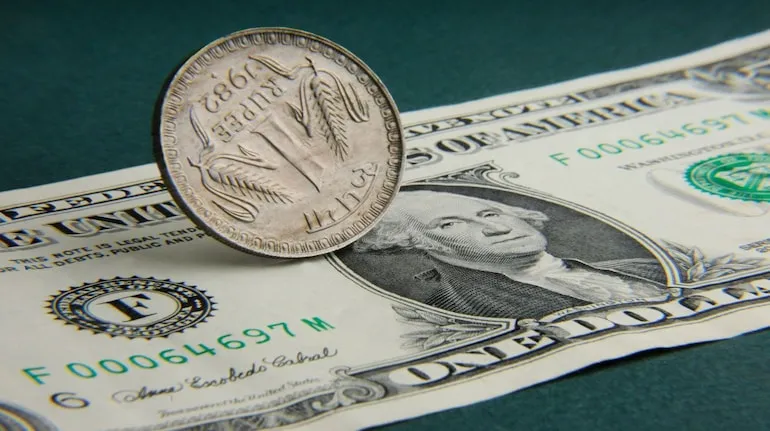
The Indian Rupee (INR) has reached a record low against the US dollar, reflecting a series of economic pressures affecting the country. Analysts attribute this decline primarily to weak capital inflows, ongoing trade tensions, and shifts in global currency markets.
Capital Flows and Economic Divergence
In the first seven months of the fiscal year 2026, net foreign portfolio investment (FPI) inflows into India have been nearly stagnant, amounting to almost zero. This is a stark contrast to the US$10 billion that flowed into the country during the same period last year, indicating a significant downturn in investor confidence.
India's situation diverges sharply from trends seen in other emerging markets, where a collective 22% annual increase in FPI inflows has been reported, totalling US$188 billion for the fiscal year to date. This disparity suggests that many investors view Indian equities as being overvalued, leading to reduced investment into the market.
Trade Deficits and Tariff Impacts
The current account deficit has also been affected, although the impact remains moderate. In the first half of the fiscal year 2026, India's trade deficit widened to US$155 billion, up from US$145 billion in the same period last year. A surge in gold imports, which rose by 16% year-on-year to US$26.5 billion, has contributed to this widening deficit.
The imposition of a 50% tariff on certain exports to the United States has begun to show negative effects, with Indian exports to the US dropping by 12% year-on-year in September 2025, the first month the new tariffs were implemented.
The Role of the Reserve Bank of India
The Reserve Bank of India (RBI) has altered its approach to market intervention in a bid to stabilise the rupee. Compared to the previous year, the RBI's interventions have decreased, resulting in increased volatility in the currency's exchange rates. According to estimates, the RBI's net dollar selling in the spot and forward markets for the current fiscal year is around US$34 billion, a significant reduction from US$55.8 billion in the same period last year.
This shift in strategy is largely due to the RBI's management of its forward book, which has been minimised in an effort to maintain liquidity in the market. As the rupee faces continued depreciation pressure, the RBI is now required to be more proactive in the foreign exchange market, leading to a rise in its forward book back to approximately US$59.4 billion as of September 2025.
Future Implications and Economic Outlook
The overall current account deficit for the fiscal year 2026 is estimated to reach 1.3% of GDP, an increase from 0.6% in the previous year. While the current economic environment poses challenges, the services sector, particularly remittances, remains strong. The United States is a significant source of these remittances, comprising 28% of gross inflows to India. However, proposed changes to H1-B visa costs could negatively impact future remittances, although the immediate effect may be limited as these changes currently apply only to new applicants.
As the situation evolves, economists will be closely monitoring the RBI's actions and the broader implications of ongoing trade tensions on the Indian economy. The path forward will require careful navigation to restore investor confidence and stabilise the rupee amidst global economic uncertainties.

Kerala Initiates Probe into 2006 Suicide Case Involving CEC

Extradition of Sheikh Hasina Feasible, Says Indian High Commissioner

Punjabi Makeup Artist Mad Sandhu Shot Dead in Amritsar

India Achieves Fourth Place at Asian Games 2026 Through Late Success