India's Q2 FY26 GDP Growth Forecast Ranges Between 7% and 8%


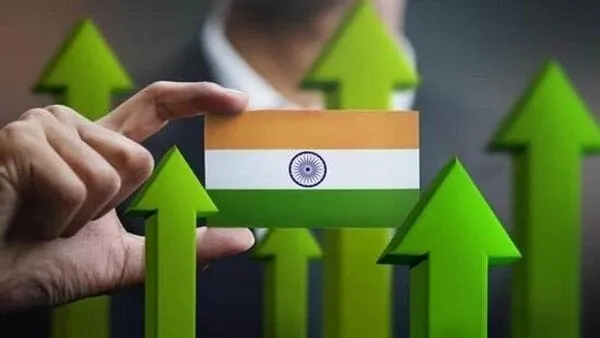
Economists have forecasted that India's Gross Domestic Product (GDP) growth for the second quarter of the financial year 2025-2026 (Q2 FY26) could range between 7% to 8%. This projection is largely attributed to robust urban demand, increased government expenditure, and a revival in rural spending, benefitting from a favourable base effect. The anticipated data will be released on 28th November 2025, and many in the economic sector are approaching the results with a blend of optimism and caution.
In the first quarter of FY26, India's GDP growth surprised analysts by reaching 7.8%, marking the highest rate in five quarters. The expectation is that the second quarter may also report a strong performance, potentially exceeding the Reserve Bank of India's (RBI) projection of 7% for Q2. However, experts caution that the nominal GDP growth, or economic expansion without adjustment for inflation, may have further diminished, with estimates suggesting it could fall to 8% from 8.8% in the prior quarter.
Several factors are believed to be contributing to the projected growth in Q2. A favourable base effect—where the previous year's figures allow for a higher comparative growth rate—combined with strong government spending and a relatively low deflator growth rate, are viewed as substantial growth drivers. Notably, the impact of the 50% tariffs imposed by the United States on Indian goods did not significantly affect this quarter, as export activities remained strong.
Despite the positive outlook for Q2, some analysts warn that growth may decelerate later in the financial year, as the statistical advantages begin to wane and the effects of US tariffs are likely to emerge in subsequent data releases.
According to a poll conducted by Mint, the consensus among economists suggests that Q2 GDP growth will likely hover around 7.2%. The State Bank of India estimates the growth rate for this quarter to be approximately 7.5%. Manoranjan Sharma, Chief Economist at Infomerics Ratings, anticipates that India's GDP could fall within the 7% to 7.2% range, driven by heightened urban demand, a resurgence in rural spending, and consistent public-sector investment.
Sharma highlighted that consumption is the primary engine of India's economy, contributing around 55% to 60% of GDP. He noted, "The year-on-year increase of 7.7% in rural demand during Q2—the most substantial growth in 17 quarters—indicates a notable recovery following years of subdued performance. Factors such as declining inflation, better access to credit, and aggressive promotional activities in sectors like automobiles and electronics have positively influenced consumer sentiment across both urban and rural landscapes. High-frequency indicators, such as a 26% increase in E-way bill generation and GST collections nearing ₹1.9 lakh crore, reflect this momentum."
Meanwhile, economists from Union Bank of India predict that the GDP data for Q2 FY26 may align with the 7.5% estimate. They also anticipate that the Gross Value Added (GVA) growth for the quarter will improve to 7.3%, up from 5.8% in Q2 FY25, although slightly below the 7.6% reported in the previous quarter. In contrast, Namrata Mittal, Chief Economist at SBI Mutual Fund, believes that Q2 GDP growth may exceed expectations, reaching around 8% year-on-year, which would be an increase from the 7.8% recorded in Q1 FY26 and considerably above the RBI’s forecast.
Mittal pointed out that while real GDP growth appears strong, nominal GDP is expected to remain moderate at around 8.5% to 9% for Q2, a decline from 8.8% in Q1, and still below the desirable range of 11% to 12% for the Indian economy. She emphasised that significant government spending, particularly at the central level, has been frontloaded to support growth. However, she warned that exceptionally low Consumer Price Index (CPI) and Wholesale Price Index (WPI) inflation could distort the statistical portrayal of real growth.
The upcoming GDP figures are expected to provide crucial insights into the health of the Indian economy, as both domestic and international stakeholders await the outcomes with keen interest.
Kerala Initiates Probe into 2006 Suicide Case Involving CEC

Extradition of Sheikh Hasina Feasible, Says Indian High Commissioner

Punjabi Makeup Artist Mad Sandhu Shot Dead in Amritsar
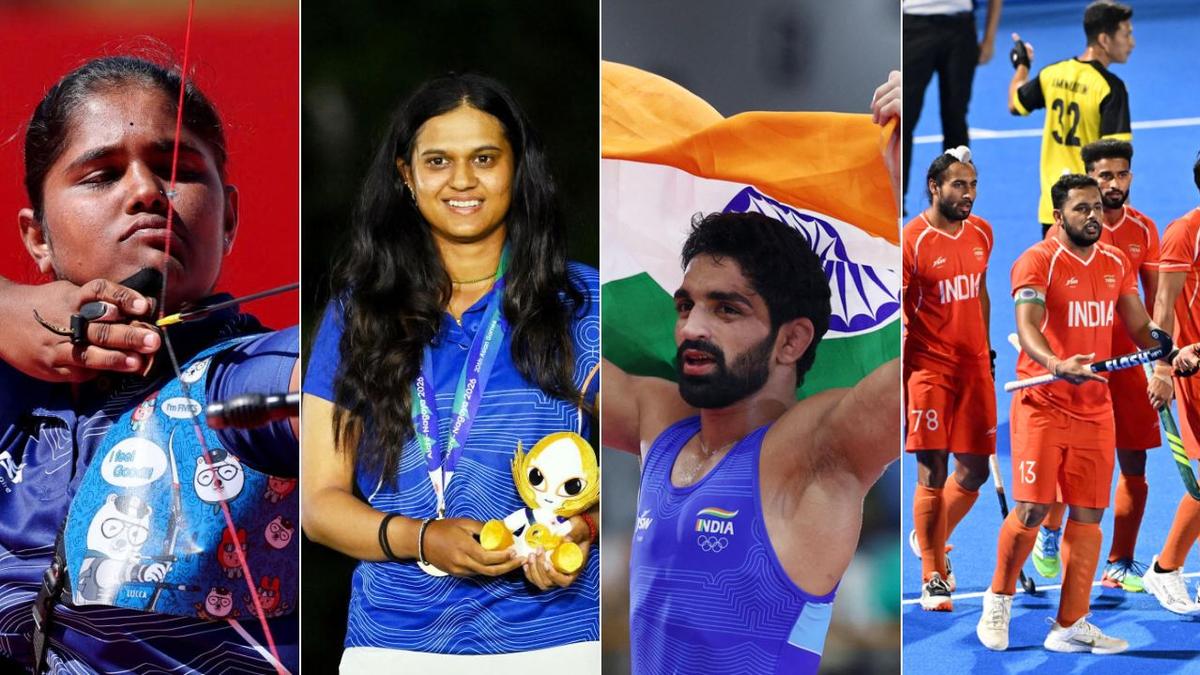
India Achieves Fourth Place at Asian Games 2026 Through Late Success