West Bengal Elections 2026: Modi and Banerjee Clash


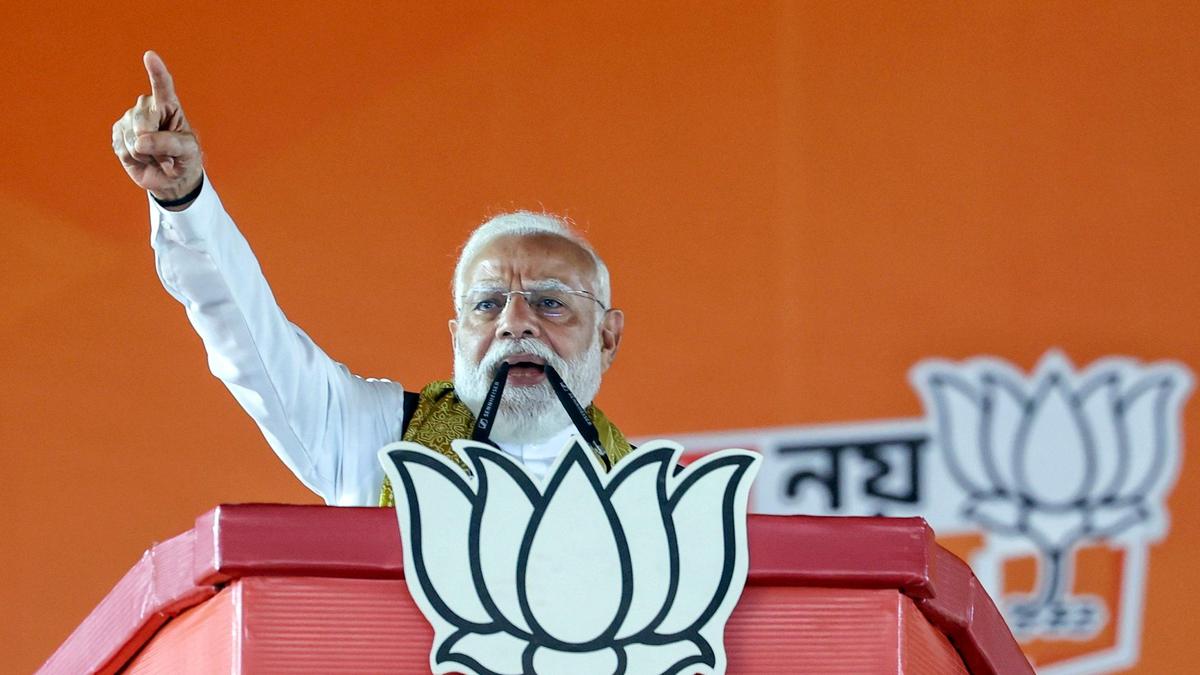
Prime Minister Narendra Modi and West Bengal Chief Minister Mamata Banerjee have traded sharp remarks as campaigning intensifies ahead of the state’s 2026 assembly elections, with disputes ranging from fish production to governance and public safety.
The exchange took place during a series of rallies held across West Bengal on Thursday, as both leaders sought to appeal to voters before polling begins later this month.
Fish production becomes political flashpoint
An unexpected issue—fish production and consumption—emerged as a focal point in the campaign. Addressing a rally in Haldia in the Purba Medinipur district, Mr Modi said that despite strong demand and favourable conditions, West Bengal was not self-sufficient in fish production.
He highlighted the region’s potential for fisheries and seafood industries, suggesting that greater efficiency could reduce dependence on imports from other states.
His remarks follow recent trends showing an increase in the supply of Hilsa fish to West Bengal from other parts of India, including Gujarat.
Ms Banerjee responded at a rally in North 24 Parganas, rejecting the Prime Minister’s claims. She said the state was moving towards self-sufficiency in fish production and accused the Bharatiya Janata Party (BJP) of promoting restrictions on non-vegetarian food in other regions.
Referring to statements made by a senior leader in neighbouring Bihar about limiting the sale of meat and fish near certain locations, Ms Banerjee said: “Here we purchase fish from markets and eat,” positioning her party as a defender of local dietary practices.
The BJP has sought to counter such concerns, with party leaders in the state emphasising that there would be no restrictions on food choices if elected to power.
Campaign intensifies across districts
Both leaders held multiple campaign events on Thursday. Mr Modi addressed public meetings in Haldia, Asansol, and Suri, while Ms Banerjee conducted rallies and a roadshow in North 24 Parganas.
The Prime Minister used his speeches to criticise the ruling Trinamool Congress (TMC) government, alleging widespread corruption and criminal activity. He said that individuals involved in illegal practices, including resource extraction, would be held accountable.
“Whoever has looted Bengal… we will bring all of them to justice,” he said, promising legal action against those found guilty of wrongdoing.
He also raised concerns about law and order, particularly crimes against women, alleging that the current administration had failed to ensure safety.
Key promises from the BJP
Mr Modi outlined a series of commitments that he said a BJP government would implement if elected. These included restoring public confidence in governance, ensuring accountability in administration, and reopening investigations into past cases of corruption and serious crimes.
Among the specific measures announced was the implementation of the 7th Pay Commission, which would revise salaries and pensions for government employees.
He also pledged that cases involving violence against women, including rape, would be re-examined. “The files regarding every scam… and every case of rape will be reopened,” he said.
Additionally, the Prime Minister spoke about granting constitutional rights to refugees and taking action against illegal immigration, framing these as part of a broader governance reform agenda.
He argued that a “double-engine government”—where the same party governs both the central and state administrations—would accelerate development and improve coordination.
Banerjee counters with survival narrative
Ms Banerjee, meanwhile, framed the election as critical for the state’s identity and stability. Speaking at a rally in Minakhan, she described the contest as a “fight for survival” for the people of West Bengal.
She also accused the BJP of attempting to manipulate electoral rolls, alleging that millions of names had been removed, a claim that has not been independently verified.
Her campaign has focused on portraying the TMC as a protector of regional culture, social welfare, and economic stability, while criticising the BJP’s policies and rhetoric.
Election timeline and context
The West Bengal assembly elections will take place in two phases on 23 and 29 April, with results scheduled to be announced on 4 May. The polls are part of a broader election cycle that includes other Indian states and one union territory.
West Bengal remains a politically significant state, with a history of intense electoral competition. The ongoing campaign reflects broader national themes, including governance, economic development, and cultural identity.
Context: Food, identity, and politics in Bengal
Fish holds cultural and economic importance in West Bengal, where it is a staple part of the local diet and a key sector in rural livelihoods. As such, references to fish production and consumption carry symbolic weight in political discourse.
The current debate illustrates how everyday issues can become central to electoral narratives, particularly when linked to questions of identity and regional pride.
As campaigning continues, both parties are expected to sharpen their messaging on economic performance, public services, and social issues, with voters set to play a निर्णायक role in determining the state’s political direction.
Kerala Initiates Probe into 2006 Suicide Case Involving CEC
Extradition of Sheikh Hasina Feasible, Says Indian High Commissioner

Punjabi Makeup Artist Mad Sandhu Shot Dead in Amritsar
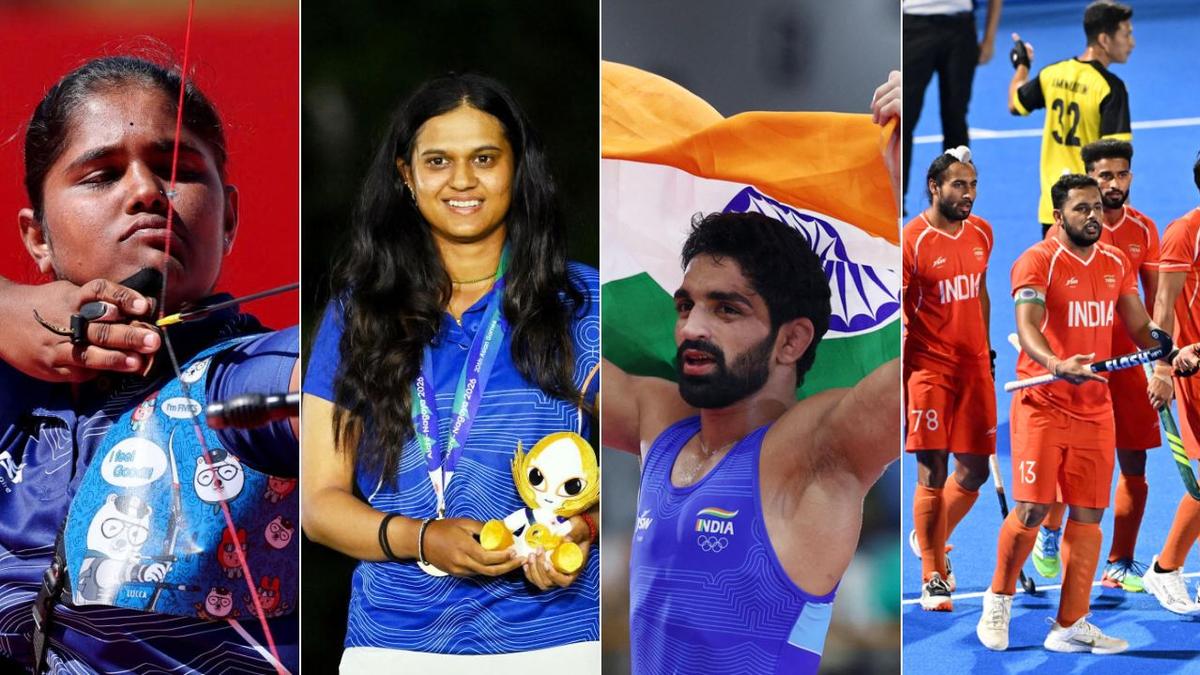
India Achieves Fourth Place at Asian Games 2026 Through Late Success