USCIS Confirms No Second Lottery for H-1B Visa FY 2027


The United States Citizenship and Immigration Services (USCIS) has announced that it has received sufficient petitions to fill the cap for H-1B visas for Fiscal Year 2027, reaching a total of 85,000 applications. Consequently, there will be no second lottery for this fiscal period. Employers whose registrations were selected during the initial lottery had until June 30, 2026, to submit complete petitions. Those beneficiaries who receive approval will be eligible to commence their employment in the US starting on October 1, 2026.
This announcement follows a notable decrease in the number of H-1B registrations compared to the previous fiscal year. USCIS reported 211,600 registrations for FY 2027, marking a 38.5% reduction from the 343,981 registrations submitted for FY 2026.
Significantly, the FY 2027 selection process implemented a new weighted selection system, prioritising higher-paying job offers. This change contrasts with the traditional random lottery approach. Now, applications linked to more lucrative wage offers had a higher chance of being selected, using the Department of Labor's four-level Occupational Employment and Wage Statistics (OEWS) as a criterion.
Details on the overall selection rate and other statistics for FY 2027 are expected to be released by USCIS in the near future.
The H-1B visa programme, established by the Immigration Act of 1990, permits American companies to employ foreign workers with specialised skills that are difficult to find in the domestic workforce. These visas are designed for nonimmigrant status and are temporary, allowing for an initial stay of three years, extendable for an additional three years.
According to estimates from Stephen Brown of Capital Economics, around 700,000 individuals currently hold H-1B visas in the United States, along with about 500,000 dependents. The Pew Research Centre has reported that since 2012, over 60% of H-1B visas approved were allocated to individuals in computer-related occupations. However, many types of employers, including hospitals, universities, and banks, also utilise the H-1B programme.
Typically, the annual cap for new visas is set at 65,000, with an additional 20,000 available for applicants holding a master's degree or higher. Notably, specific employers such as educational institutions and non-profit organisations are exempt from this cap, thus enabling them to apply for H-1B visas without limitations.
Kerala Initiates Probe into 2006 Suicide Case Involving CEC

Extradition of Sheikh Hasina Feasible, Says Indian High Commissioner

Punjabi Makeup Artist Mad Sandhu Shot Dead in Amritsar
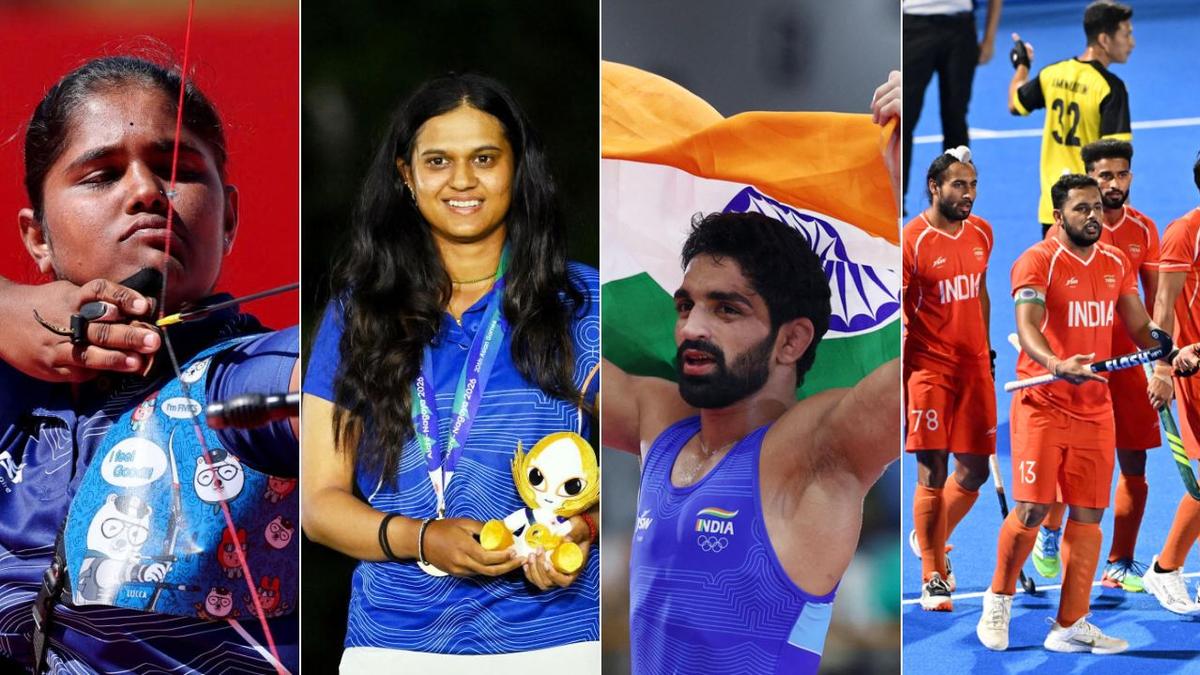
India Achieves Fourth Place at Asian Games 2026 Through Late Success