India's Reserve Bank to Pilot Polymer Currency Notes in 2027


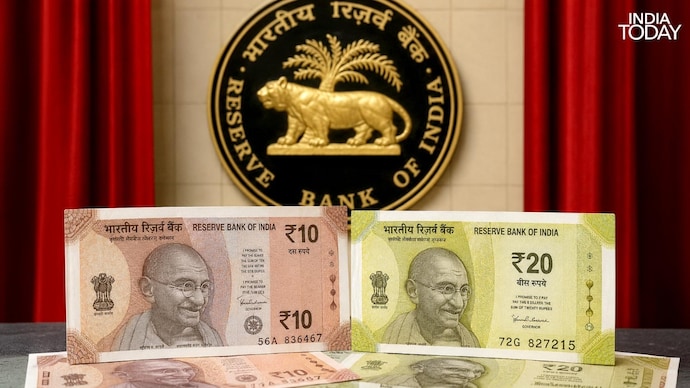
The Reserve Bank of India (RBI) is preparing to introduce polymer currency notes in denominations of Rs 10 and Rs 20 by next year. This initiative is part of a pilot project aimed at assessing the feasibility of polymer notes in the Indian context. The project is currently in its initial phase, with the RBI inviting global suppliers to submit bids for the necessary materials.
According to reports from ANI and Dainik Bhaskar, the RBI will commence its pilot project following the submission of bids for opacified polymer substrate sheets imbued with advanced security features. This pilot marks the first step towards potentially wider distribution, contingent upon successful field trials that are expected to occur in 2027.
Bharatiya Reserve Bank Note Mudran Private Limited (BRBNMPL), the currency-printing arm of the RBI, has issued a Global Expression of Interest (EOI). This document calls for manufacturers around the world to produce 68,000 reams of Biaxially Oriented Polypropylene (BOPP)-based polymer sheets. Each of these reams includes 500 sheets and is divided equally between the two proposed denominations.
These polymer notes are designed to incorporate enhanced security features, which are vital in combating counterfeiting. Some of the specified security elements include a transparent window, metallic numerals, a magnetic thread, and a distinctive iridescent pattern. This procurement aligns with a broader trend seen in over 50 countries that have successfully adopted polymer banknotes since their first introduction by Australia in 1988.
The selection process for bidders entails stringent conditions. As noted in reports by ANI and Indian Express, companies must ensure their operations in China or Pakistan are entirely separate from any India-related work, and they are prohibited from sourcing raw materials from either country. Furthermore, these organisations must have considerable experience in supplying polymer substrates to central financial institutions. Each applicant is also required to submit samples for laboratory evaluation and certifications confirming the absence of certain animal-derived materials.
While the introduction of polymer notes marks a significant move towards modernising India's currency management system, the RBI has yet to officially confirm the denominations for the pilot project. Following the June monetary policy meeting, RBI Governor Sanjay Malhotra indicated that a proposal concerning polymer banknotes was under review, highlighting the central bank’s cautious approach in evaluating the practicality and benefits of this initiative.
The transition to polymer notes aims to enhance the durability and lifespan of the currency, offering a sustainable solution to traditional paper-based systems. This could potentially lead to reduced costs associated with frequent printing and contribute to environmental preservation efforts associated with paper production.

Kerala Initiates Probe into 2006 Suicide Case Involving CEC

Extradition of Sheikh Hasina Feasible, Says Indian High Commissioner

Punjabi Makeup Artist Mad Sandhu Shot Dead in Amritsar

India Achieves Fourth Place at Asian Games 2026 Through Late Success