US Military to Implement Testosterone Screening for Male Personnel


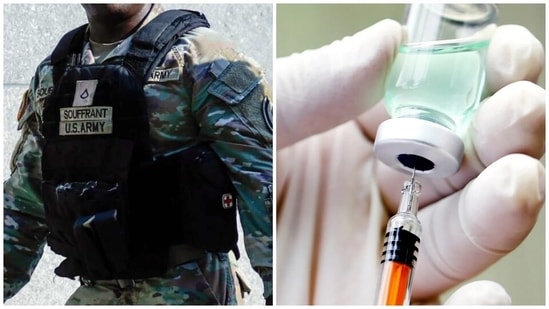
The United States Army will initiate a mandatory annual screening for testosterone deficiency among male service members aged 30 and above, as announced by Defence Secretary Pete Hegseth. The new policy aims to ensure that troops maintain optimal testosterone levels to enhance performance and readiness in military operations.
Critics within the medical field express concerns regarding the potential implications of this decision. Experts argue that the blanket screening may lead to unnecessary treatments and potential health risks, particularly if testosterone replacement therapy (TRT) is prescribed without clear indications of deficiency.
Dr David Chandy, Director of the Department of Endocrinology at Sir HN Reliance Foundation Hospital in Mumbai, noted that testosterone levels naturally decline with age, starting at around 30 years. He indicated that by the time men reach their forties and fifties, many may exhibit symptoms associated with low testosterone, commonly referred to as onset hypogonadism. Symptoms can include fatigue, decreased libido, and mood swings.
According to a study published in JAMA Network, approximately one in ten men in the United States suffers from clinically diagnosable low testosterone levels. However, Dr Chandy emphasised that symptoms may stem from various factors, making thorough testing essential for an accurate diagnosis.
While TRT can provide significant benefits for men diagnosed with testosterone deficiency, such as increased energy and improved sexual desire, it is not without risks. Dr Chandy pointed out that testosterone therapy could lead to side effects, including risk of infertility, mood volatility, and increased incidence of blood thickening, among others.
Experts such as Dr Kevin McVary, a urologist and member of the medical advisory board at a telehealth platform, raised significant concerns regarding the lack of comprehensive evidence supporting widespread testosterone screening. Many health professionals recommend testosterone therapy only for patients with confirmed deficiency and related symptoms.
The American Urological Association and the Endocrine Society advise against administering testosterone without clear indicators, noting that unnecessary treatment poses its own health risks.
Critics of the new directive, including Dr Haleem Mohammed, Chief Medical Officer of a men’s wellness clinic, assert that age 30 is not an appropriate baseline for screening. They emphasise that testosterone levels vary widely among individuals, and that broader screenings without preliminary studies could lead to overtreatment.
Furthermore, Dr B Christopher Frueh from the University of Hawaii stated that younger soldiers could potentially manage hormone levels through lifestyle modifications, such as sleep and diet, rather than relying on testosterone replacement. He expressed skepticism about screening all service members, highlighting that not every soldier falls within the demographic presenting symptoms.
Nonetheless, supporters of the initiative argue that regular screening might uncover underlying health conditions that contribute to low testosterone levels, providing an opportunity for effective clinical intervention. They assert that better awareness and treatment of hormonal issues could improve the overall health of military personnel.
In his announcement, Secretary Hegseth signalled that the screening initiative aims to address various health concerns faced by military personnel, including operator syndrome, which affects special forces members. However, experts caution that these tailored health issues may not apply universally across the military.
As the Pentagon rolls out this new programme, many medical professionals are advocating for a more nuanced approach to testosterone screening that prioritises individual health assessments and evidence-based practices over blanket policies. With continued discussions around this policy, further research may shed light on the impact of testosterone screening in a military context.
Kerala Initiates Probe into 2006 Suicide Case Involving CEC

Extradition of Sheikh Hasina Feasible, Says Indian High Commissioner

Punjabi Makeup Artist Mad Sandhu Shot Dead in Amritsar

India Achieves Fourth Place at Asian Games 2026 Through Late Success