US Visa Restrictions for Fact-Checkers and Content Moderators


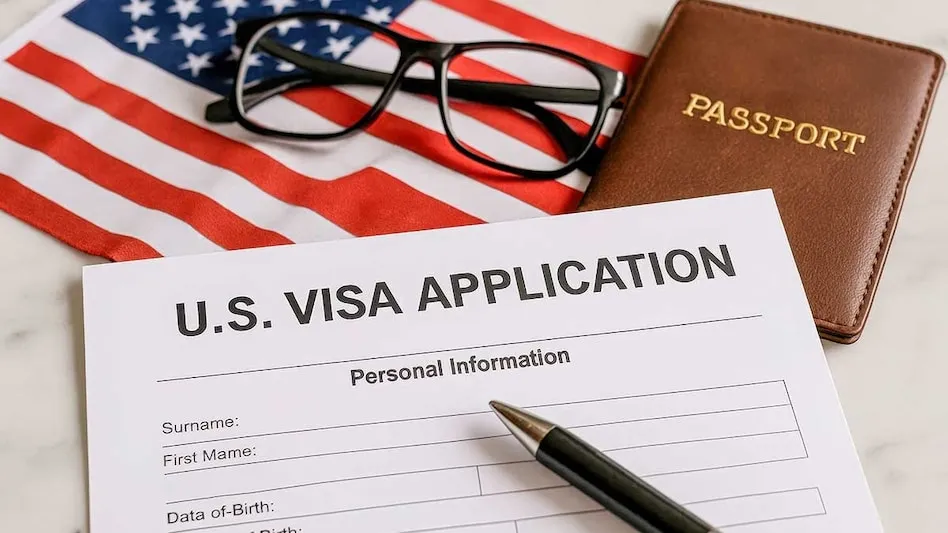
The United States government has implemented a new policy that restricts visas for foreign fact-checkers and content moderators, citing concerns over perceived censorship of American citizens' free speech. This directive, issued by the Donald Trump administration, was revealed through a leaked memo that has prompted significant discussion among media and civil liberties advocates.
The State Department's memo, disseminated to American diplomatic missions worldwide, instructs consular officials to deny visa applications from individuals deemed responsible for or complicit in censorship activities related to protected expression in the United States. This policy appears to be part of a broader agenda to reaffirm the administration's commitment to defending American freedoms against foreign interference.
A spokesperson from the State Department confirmed the authenticity of the leaked document while stressing the administration's stance on free expression. "We do not support aliens coming to the United States to work as censors muzzling Americans," the spokesperson stated, linking the policy to past grievances voiced by President Trump regarding social media companies. Following the January 6, 2021, Capitol riot, President Trump's accounts on various platforms were suspended, an experience the administration references in justifying the new visa restrictions.
The memo mandates enhanced scrutiny of visa applicants, particularly those who have previously worked in areas associated with misinformation, disinformation, content moderation, and online safety. Consular officers are instructed to conduct thorough reviews of applicants' work histories, including their LinkedIn profiles and public social media activities. The aim is to identify any involvement in activities that could be classified as censorship by the Trump administration.
If consular officers uncover evidence suggesting an applicant’s engagement in censorship, they are directed to deem that individual ineligible for a visa. This broad directive raises concerns among experts about its potential impact on various sectors, including those working to combat harmful online content such as child exploitation, hate speech, and self-harm.
Critics argue that this policy may infringe on the principles of free speech and international collaboration in addressing online harm. The implications could extend to numerous professionals across the globe, including those working for tech companies, regulatory bodies, and non-governmental organisations.
The memo's reach could affect the implementation of various international digital governance frameworks, as well as the hiring capabilities of organisations focused on ensuring online safety. Furthermore, there are fears that this policy blurs the lines between necessary content moderation and censorship, potentially chilling international cooperation on digital safety initiatives.
Secretary of State Marco Rubio has previously reinforced this ideological stance, stating that "foreigners who work to undermine the rights of Americans should not enjoy the privilege of travelling to our country." This sentiment reflects a growing trend of nationalistic policies that prioritise domestic freedoms over international collaboration.
As it stands, the State Department has not provided public guidance on this policy, leaving many questions unanswered regarding the practical implications for cross-border hiring and relations with key international allies. The leaked memo indicates that scrutiny of roles associated with 'trust and safety' is poised to increase significantly, with far-reaching consequences for professionals in the field.
The ongoing debate around this directive underscores a pivotal moment in the intersection of technology, governance, and civil liberties, with many advocating for a more balanced approach that fosters collaboration rather than division in the global digital landscape.
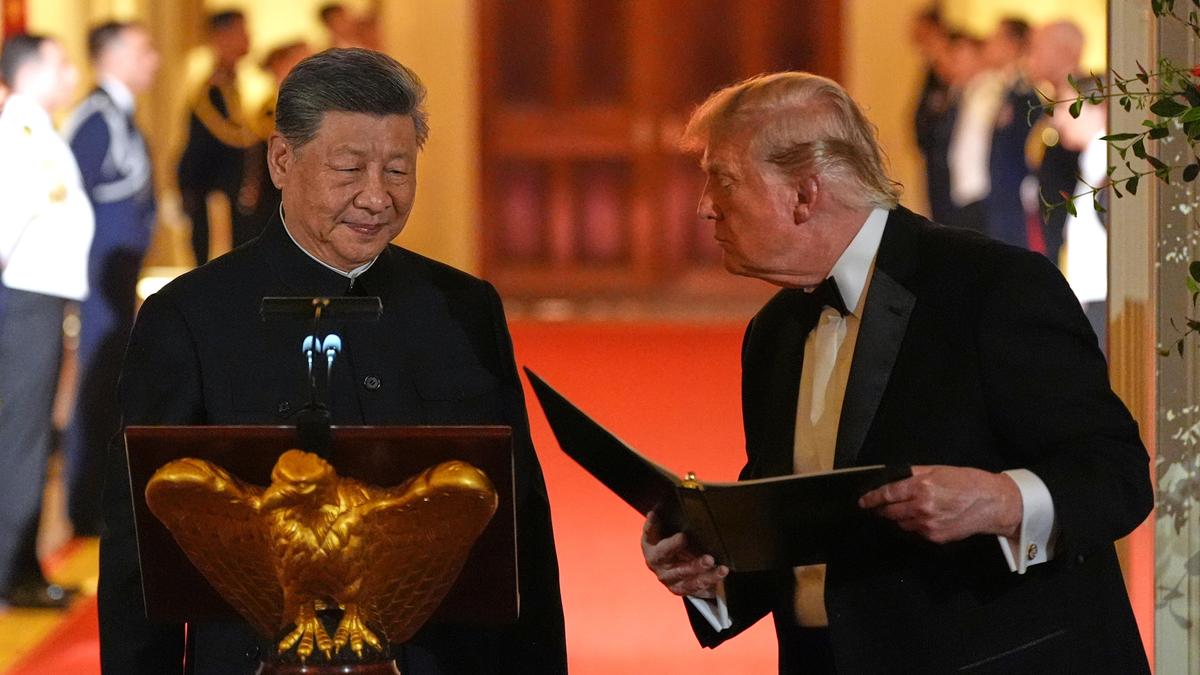
Trump and Xi Discuss Trade, AI, and Taiwan Amid Diplomatic Tensions
Xi Jinping Seeks Greater Concessions from Trump Amid Trade Talks
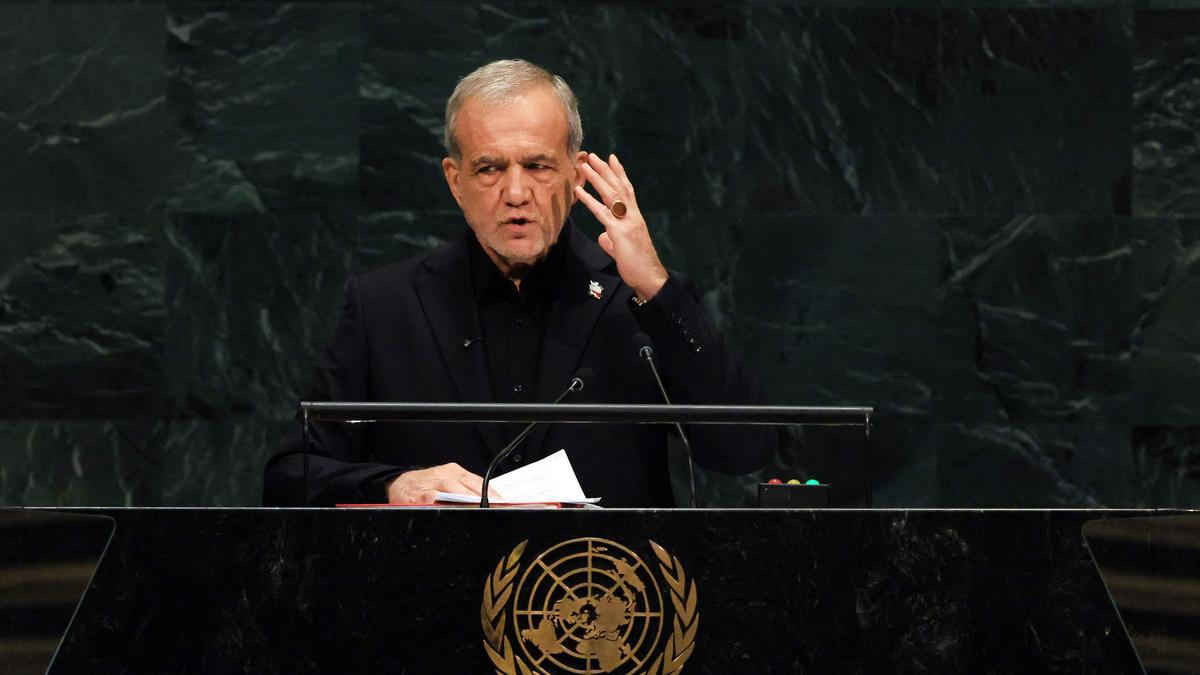
Iran's President Addresses Ongoing Conflict and External Threats
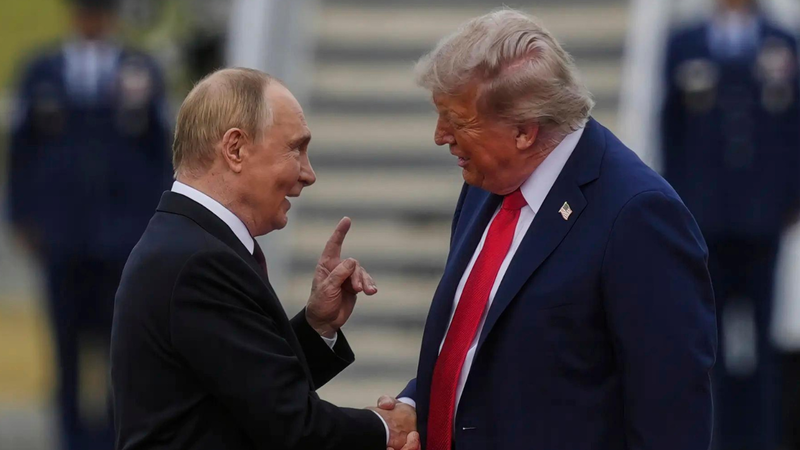
United States Invites Vladimir Putin to Miami G20 Summit