US-Iran Tensions Escalate Over Article 5 of Recent MoU


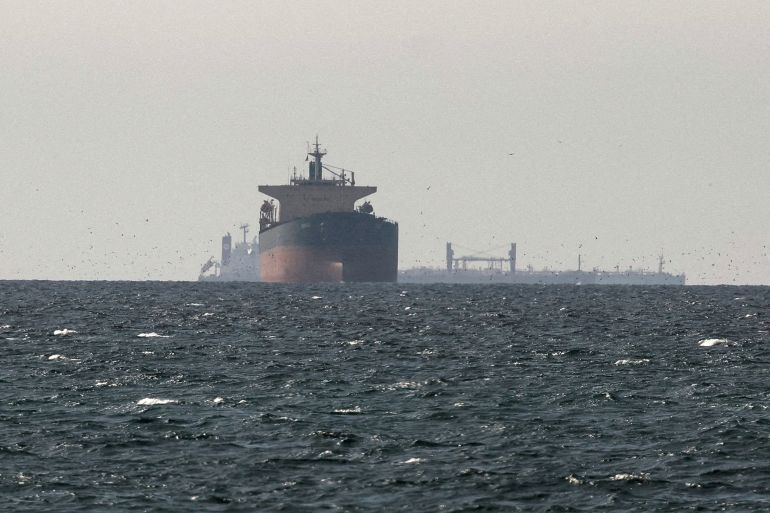
Tensions between the United States and Iran have intensified following a series of strikes in the Persian Gulf, drawing attention to Article 5 of a recent Memorandum of Understanding (MoU) signed on June 17. This fragile agreement, brokered by Pakistan, aimed to facilitate safe navigation through the key maritime passage of the Strait of Hormuz, which is crucial for global oil transport.
Both nations have accused each other of violating the MoU, particularly its provisions related to the reopening and management of the Strait of Hormuz. The recent exchange of strikes involved attacks on commercial vessels and subsequent military actions, highlighting differing interpretations and commitments under the MoU.
Article 5 stipulates that Iran is responsible for ensuring the safe passage of commercial ships without transit charges for a period of 60 days. It also requires the removal of military obstructions within 30 days to facilitate shipping activities. Moreover, the agreement mandates dialogue with Oman and other Gulf states regarding future management of the Strait, consistent with international law and the sovereignty of coastal nations.
Despite signing the MoU, the two countries diverge sharply on its implementation. Iran maintains that the responsibility lies solely with it to manage passage through the Strait, insisting on a corridor close to its mainland for commercial vessels, while opposing any alternative routes nearer Oman. In recent days, however, several commercial ships have opted for routes south of the Strait, prompting Iranian officials to voice concerns that these decisions undermine the MoU's objectives.
Iranian Foreign Minister Abbas Araghchi stated that altering the current agreement would complicate the situation further. "Any attempt to adopt new or separate arrangements will lead to more complicated situations and delays in reopening the Strait of Hormuz," he remarked. He emphasised that the management of the Strait rests fully with Iran, warning against any unilateral actions that could exacerbate tensions.
Analysts suggest that the United States may be attempting to circumvent Iranian control of the Strait. Hassan Ahmadian, an associate professor at the University of Tehran, contended that Washington is looking to modify the MoU's terms despite having initially agreed to them. "The United States wants different arrangements in place while obliging Iran to adhere to its commitments," he commented.
The situation escalated further after commercial vessels came under attack. A Singapore-flagged ship, Ever Lovely, was reportedly struck, followed by another strike on a Panama-flagged vessel, Kiku. The United States has attributed these incidents to Iranian threats and responded with military actions against Iranian positions.
Iran has denied responsibility for these initial attacks but retaliated against American military bases in Kuwait and Bahrain. The Iranian Revolutionary Guard has reiterated that only their designated shipping corridor is valid, signalling a potential restriction on vessel traffic that could impact global oil supply chains. According to maritime reports, vessel traffic through the Strait has already diminished significantly, with several ships altering their courses in response to recent threats.
Iran’s Araghchi described the US military operations as violations of both the United Nations Charter and the MoU. Meanwhile, US President Donald Trump defended the actions taken by US forces, asserting their necessity following Iran's violation of ceasefire terms.
As tensions remain high, the ramifications of these developments may have significant impacts on global energy supplies and regional stability. Both the US and Iran must navigate this fragile situation carefully to avoid further escalation in the already volatile area surrounding the Strait of Hormuz.
BJP Allies Urge Election Commission to Address Public Concerns

Thousands of Ganesh Idols Immersed in Telangana Festivities
Jaishankar Calls Attacks on Civilian Shipping ‘Indefensible’
Indian Prime Minister Urges Integration of Social Reforms in Governance