UAE's Departure from OPEC: Implications for Global Oil Markets


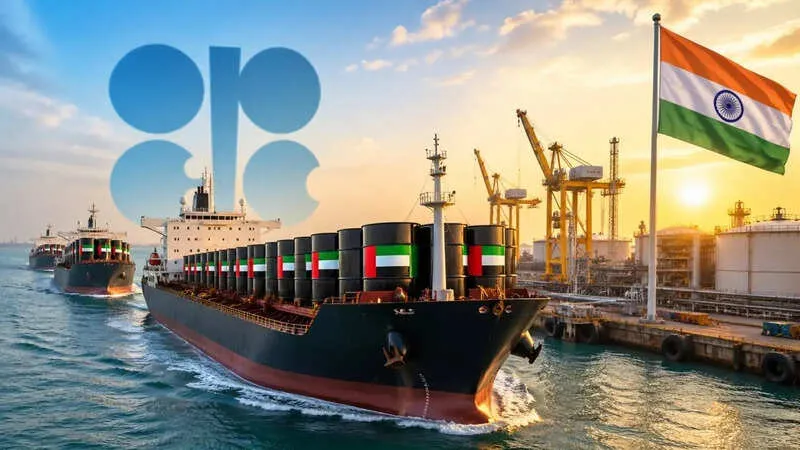
The recent decision by the United Arab Emirates (UAE) to exit the Organisation of the Petroleum Exporting Countries (OPEC) marks a significant shift in the global oil landscape. This move not only impacts the dynamics within OPEC but also raises important questions regarding oil supply stability worldwide.
UAE's departure follows a series of discussions within the organisation about production levels and quotas. The UAE, one of the leading producers of crude oil in the region, has expressed dissatisfaction with the current OPEC strategy, which they feel does not align with their national interests. The country aims to maximise its production capacity and secure its energy future independently of OPEC's regulations.
With the UAE stepping away from OPEC, the balance of power within the organisation may be disrupted. Traditionally, OPEC has played a crucial role in managing oil supply and prices by coordinating the production levels of its member states. The exit of a significant player like the UAE suggests potential challenges for OPEC in maintaining its influence over global oil prices.
As the landscape shifts, countries like India may perceive an opportunity. With decreasing dependence on OPEC's governance, India could secure more favourable purchasing agreements for oil imports. India, which is one of the largest crude oil importers in the world, has been exploring various avenues to enhance its energy security and diversify its supply sources.
Analysts indicate that the UAE’s departure might lead to increased price volatility in the short term, as other OPEC members may struggle to adjust production strategies in response to one of their key members exiting. However, in the long run, this could create a more competitive market environment, which may benefit countries reliant on oil imports.
India, in particular, has a strong incentive to adapt to these changes. The potential for stabilising oil prices and securing reliable delivery channels aligns with India’s broader goals of economic growth and energy independence. It is essential for India to navigate this new terrain carefully, ensuring it establishes beneficial relations with both OPEC and non-OPEC oil producers.
The ramifications of the UAE's exit from OPEC will continue to unfold as countries reevaluate their energy strategies in response to the changing dynamics. While some nations may face challenges, others may seize the moment to advance their interests in the global oil market. As the situation develops, monitoring these shifts will be crucial for governments, businesses, and consumers alike.
In a statement regarding the exit, an official commented on the need for flexibility and the importance of adapting to evolving energy landscapes, emphasising that such changes could ultimately serve broader economic ambitions both regionally and globally.

Ceasefire Agreed in Oleshky Amid Ukraine's Humanitarian Crisis
Donald Trump Hints at US Interest in Cuba After Conflict in Iran
UK Court Rules Against India in RAKIA Investment Dispute

India Raises Concerns Over Chinese Border Patrolling Deviations