Trump's Visit to China Yields Trade Deals but Uncertainty Remains


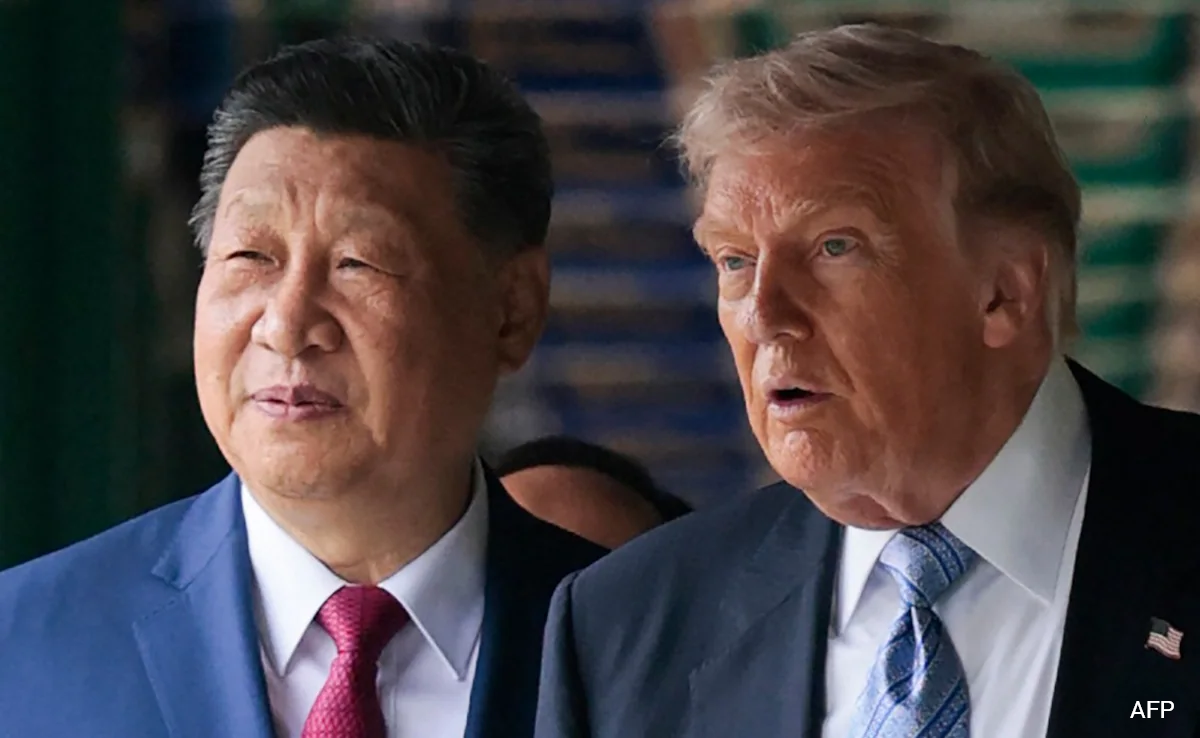
United States President Donald Trump has concluded a three-day trip to China, during which he announced several broad trade agreements. However, key issues regarding Taiwan and the conflict in Iran remain uncertain. The visit marked the first of Trump's second term and included ceremonial elements such as a military honour guard and a private tour of a historic garden. Both sides described the visit as a success, but differing accounts of the agreements highlight potential gaps in understanding.
Onboard Air Force One, Trump spoke with reporters about discussions he had with Chinese President Xi Jinping regarding Taiwan. Xi emphasised that he opposed independence for the self-governing island, which China claims as its own. "I heard him out. I didn’t make a comment,” Trump stated, adding that he made no commitments during the conversation. Xi labeled Taiwan as the most significant issue in China-US relations, expressing concerns about possible conflict if the situation is mismanaged.
Trump mentioned that he had yet to decide on a proposed arms package for Taiwan, which enjoys strong support from the US Congress but is vehemently opposed by Beijing. While the US acknowledges Beijing's claim over Taiwan, it has also provided military aid to the island. Congress recently approved a substantial weapons sale to Taipei, pending Trump’s approval. Trump notably commented, "But, you know, I think the last thing we need right now is a war that’s 9,500 miles [15,289 km] away."
In terms of relations with Iran, Trump stated he and Xi discussed the US-Israeli conflict and the reopening of the Strait of Hormuz. Some officials from the Trump administration have urged China to leverage its relationship with Tehran to advance ceasefire negotiations. Nevertheless, Trump downplayed the matter during the trip, explaining that he was not "asking for any favours" regarding Iran. Chinese Foreign Minister Wang Yi reiterated a call for the US and Iran to resolve their disputes through negotiation, including on the topic of nuclear issues.
Trump's delegation included top US business leaders, and he concluded his visit by highlighting what he termed as "fantastic trade deals for both countries." He announced that China had agreed to purchase 200 Boeing aircraft, marking the first significant deal with a US manufacturer in over a decade. The White House also indicated that China might soon begin purchasing more US oil and agricultural products. However, concrete details regarding these agreements were not disclosed, and China's official statement remained more reserved.
Wang, the Chinese Foreign Ministry spokesperson, stated that both nations had agreed to establish a trade council and an investment council, pledging to continue discussions on tariff adjustments and agricultural market access. Trump, however, offered no updates on whether a truce established in October last year, which saw increased tariffs from Washington and threats from Beijing regarding export controls on rare earth minerals, had been extended. He noted that he and Xi did not discuss tariffs during their meetings.
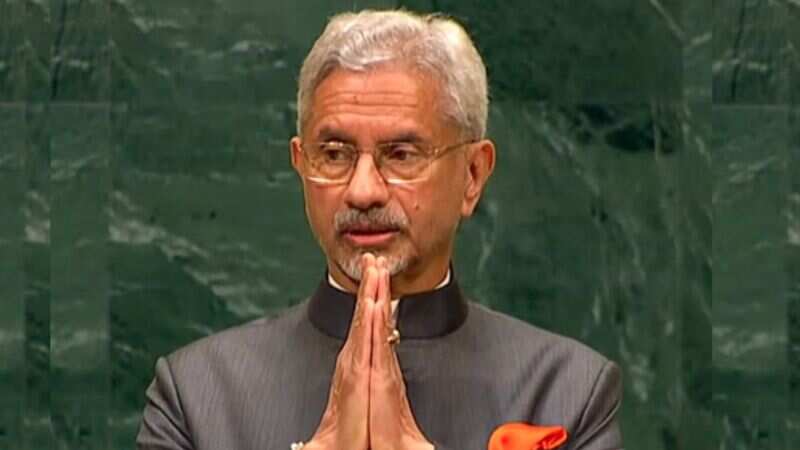
India's Jaishankar Criticises Pakistan at UN General Assembly
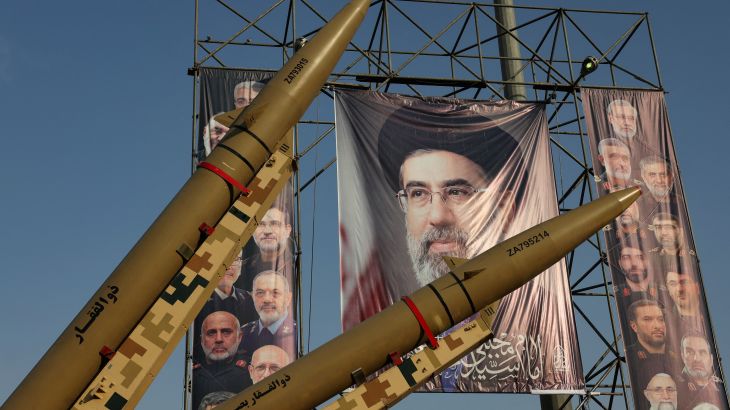
Iran Asserts Readiness for War Amid Rising Tensions in Hormuz
Israeli Prime Minister Netanyahu Makes Unannounced Visit to UAE

World Leaders Gather for Climate Summit, Pledges Made