Digital Security Precautions for High-Profile US Delegations in China


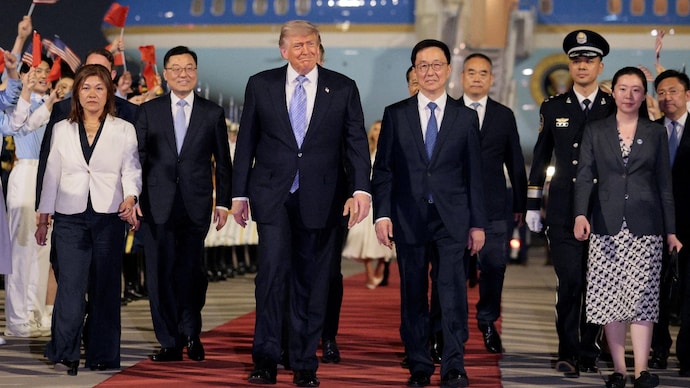
Amid heightened concerns about cyber surveillance, members of the US delegation to China, including President Donald Trump, major corporate leaders, and their aides, are eschewing personal electronic devices. This precaution is largely motivated by fears of extensive digital monitoring by Chinese authorities.
Reports confirm that American officials have been advised against bringing personal smartphones and laptops to China, historically viewed as one of the most adept nations in cyber espionage. According to a Fox News report, high-profile attendees are using temporary or 'clean' devices equipped minimally to protect sensitive information and government systems.
The guidelines highlight the extent of digital precautions observed during such visits. Such measures involve the use of phones and laptops created specifically for the trip, which can be erased or discarded following the return to the United States. Furthermore, there are advisories against utilising public charging stations, as these can pose significant cybersecurity risks. Vulnerable USB ports and charging cables can serve as tools for hacking or data theft.
Security teams have equipped officials with specialised charging equipment and external power sources that have undergone rigorous testing. Some attendees are provided with 'loaner phones' featuring a secure software setup that is monitored closely. Post-visit, the condition of these devices is checked against their original state to identify any illicit changes.
These precautions stem from longstanding American apprehensions regarding alleged Chinese cyber espionage, which has targeted governmental institutions, major corporations, and critical infrastructure. US intelligence agencies have previously linked Beijing to numerous hacking efforts that aim to infiltrate essential national systems, from power grids to communication networks.
Interestingly, while it is common for nations to monitor officials during diplomatic missions, this phenomenon is not exclusive to China. The United States has faced criticism in the past for similar practices, including revelations from Edward Snowden regarding the National Security Agency's monitoring of foreign leaders.
Chinese authorities consistently refute allegations of state-supported cyber espionage, asserting a commitment to data privacy aligned with their legal framework. Liu Pengyu, spokesperson for the Chinese Embassy, stated, “The Chinese government places a high priority on protecting data privacy and security in accordance with the law.” He further noted that China has neither mandated nor will it ever command that individuals or businesses collect or store data unlawfully.
During Trump's recent diplomatic engagements in China, security protocols became increasingly stringent, prompting some staff to reportedly dispose of burner phones and credentials before reboarding Air Force One. This disposal was highlighted publicly during the trip and specifically noted as part of the overarching effort to safeguard sensitive information. As indicated in reports by the New York Post, these discarded items included credentials and disposable phones, all instigated by heightened security protocols.
Trump's discussions with Chinese President Xi Jinping reportedly included significant but contentious topics such as Taiwan and international relations, despite an outwardly cordial atmosphere. Dialogue between the two leaders touches on critical global issues but continues to showcase persistent differences between Washington and Beijing. According to US Secretary of State Marco Rubio, the established policy regarding Taiwan has not shifted and cautions against Chinese military action.
In summary, the extensive precautions taken by US officials during visits to China exemplify the delicate balance of diplomacy and security in a digital age, marked by the growing risks associated with cyber surveillance.
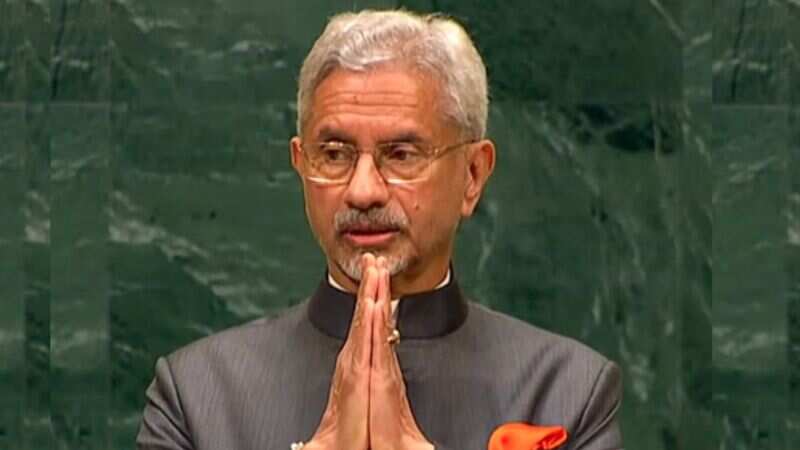
India's Jaishankar Criticises Pakistan at UN General Assembly
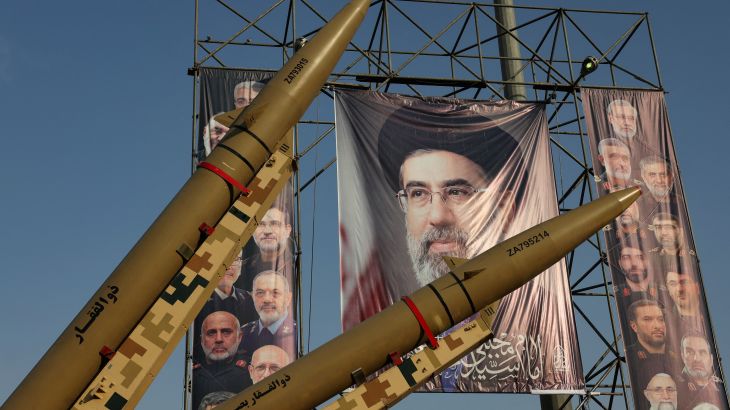
Iran Asserts Readiness for War Amid Rising Tensions in Hormuz
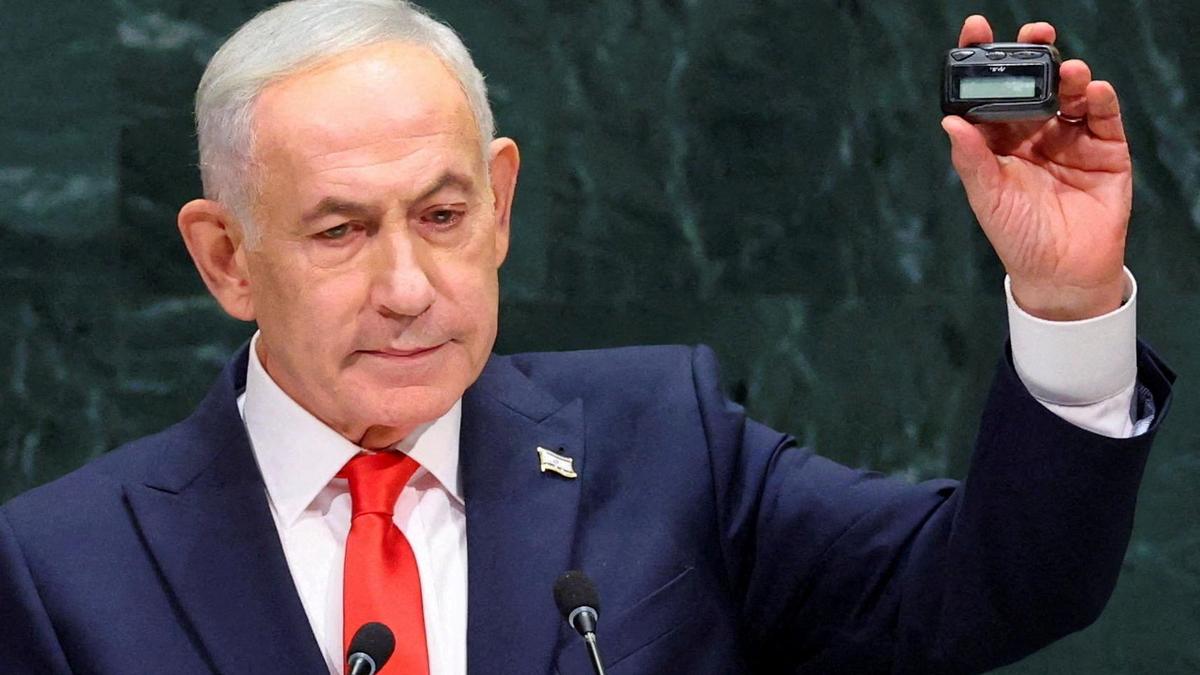
Israeli Prime Minister Netanyahu Makes Unannounced Visit to UAE

World Leaders Gather for Climate Summit, Pledges Made