China's Dominance in AI Minerals Sparks Deep-Sea Mining Interest


As the demand for minerals essential for artificial intelligence (AI) continues to surge, attention is turning to deep-sea mining as a potential solution. Key minerals such as copper and cobalt are experiencing a significant increase in demand, spurred by the $700 billion investment in AI infrastructure. For instance, Microsoft's Chicago facility required 2,100 tons of copper, illustrating the substantial mineral needs accompanying AI development. The market landscape is largely dominated by China, which refines 19 out of the 20 most critical strategic minerals, holding an average market share of 70%, according to the International Energy Agency. The United States faces a complex dependency on China for these essential raw materials, posing a risk to its technological and economic stability. In light of these concerns, former President Donald Trump signed an executive order in 2025 directing federal agencies to explore and exploit deep-sea mineral resources. Subsequently, several U.S. companies have begun examining the feasibility of extracting polymetallic nodules (PMNs) from the ocean floor, consisting of mineral-rich formations found on the abyssal plains. Among these firms is American Ocean Minerals, which is in the process of a $1 billion merger with Odyssey Marine Exploration and has appointed former Rio Tinto CEO Tom Albanese as its leader. The company holds stakes in Ocean Minerals and CIC Ocean Research, both of which have secured licenses to conduct research in the exclusive economic zone (EEZ) around the Cook Islands in the South Pacific. Albanese remarked on the potential of these resources, stating, "This could be hundreds of years of endowment." The PMNs, shaped like potatoes and formed over millions of years, primarily consist of manganese and iron but also include economically valuable metals such as nickel, cobalt, copper, and rare earth elements. Spanning over 770,000 square miles, the Cook Islands' EEZ is nearly five times larger than California and is believed to contain approximately 6.7 billion metric tons of PMNs, alongside an estimated 20 million metric tons of cobalt. In comparison, the Democratic Republic of Congo, which is the leading cobalt producer, generates around one hundred times less than the region's reserves. However, the prospect of commercial deep-sea mining remains distant. Presently, there is no active deep-sea mining taking place globally, as mineral extraction continues to rely on terrestrial sources. The International Seabed Authority, which governs mineral-related activities at sea, has yet to authorise any company for commercial extraction, having failed to reach a consensus during a recent meeting in March. Furthermore, a coalition of 40 countries has emerged in support of a moratorium on deep-sea mining, citing environmental, governance, and scientific concerns. This coalition includes several Pacific island nations advocating for a complete ban on the practice due to its potential to disrupt the rich biodiversity of the ocean floor. Research conducted by the Ocean Exploration Trust discovered numerous unknown species during an expedition in the Cook Islands' seabed last year. A separate report from the American Museum of Natural History indicated that deep-sea mining could decrease animal populations by up to 37% in the Clarion-Clipperton Zone, another area rich in PMNs. Proponents of deep-sea mining argue, however, that it could be less environmentally damaging than terrestrial mining, which often results in habitat destruction and severe water contamination. Moreover, many land-based operations, especially in the Democratic Republic of Congo, are known to use forced labour. With global mineral demand forecasted to double by 2040, the need for diversified sources becomes crucial. Albanese highlighted the geopolitical implications of this reliance on a single source, stating, "I see the merits of continued engagement with China, but also see the risks of being overly dependent on the Chinese industry for any part of critical supply chains."

BJP Allies Urge Election Commission to Address Public Concerns
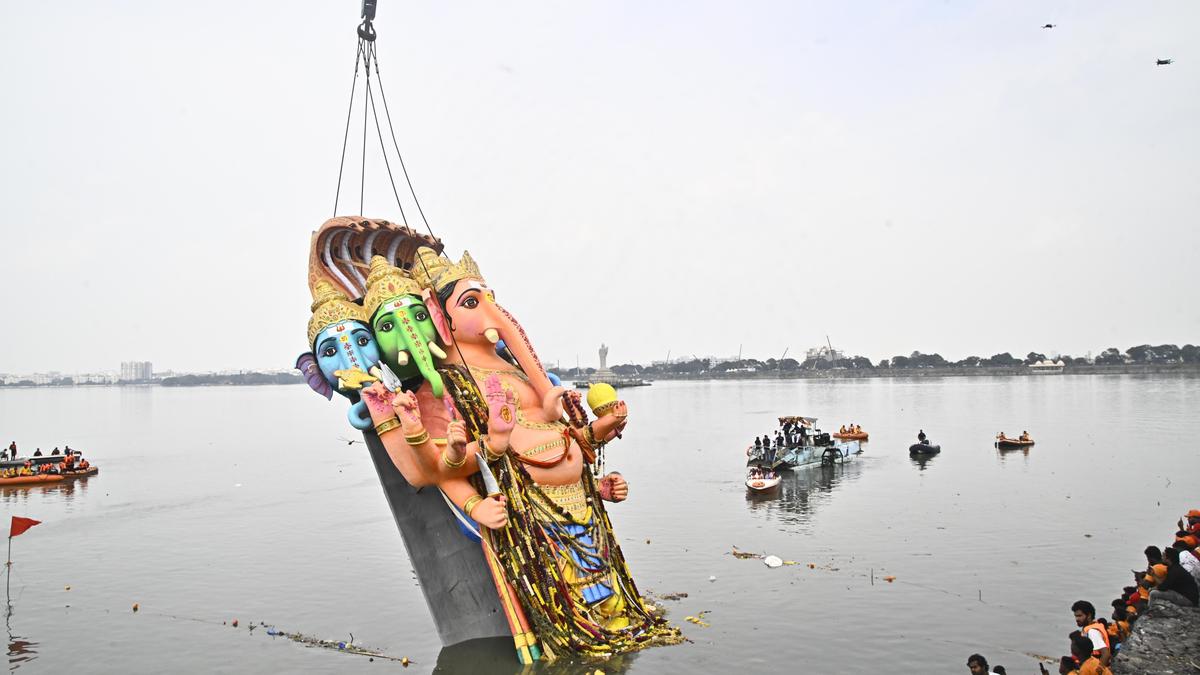
Thousands of Ganesh Idols Immersed in Telangana Festivities
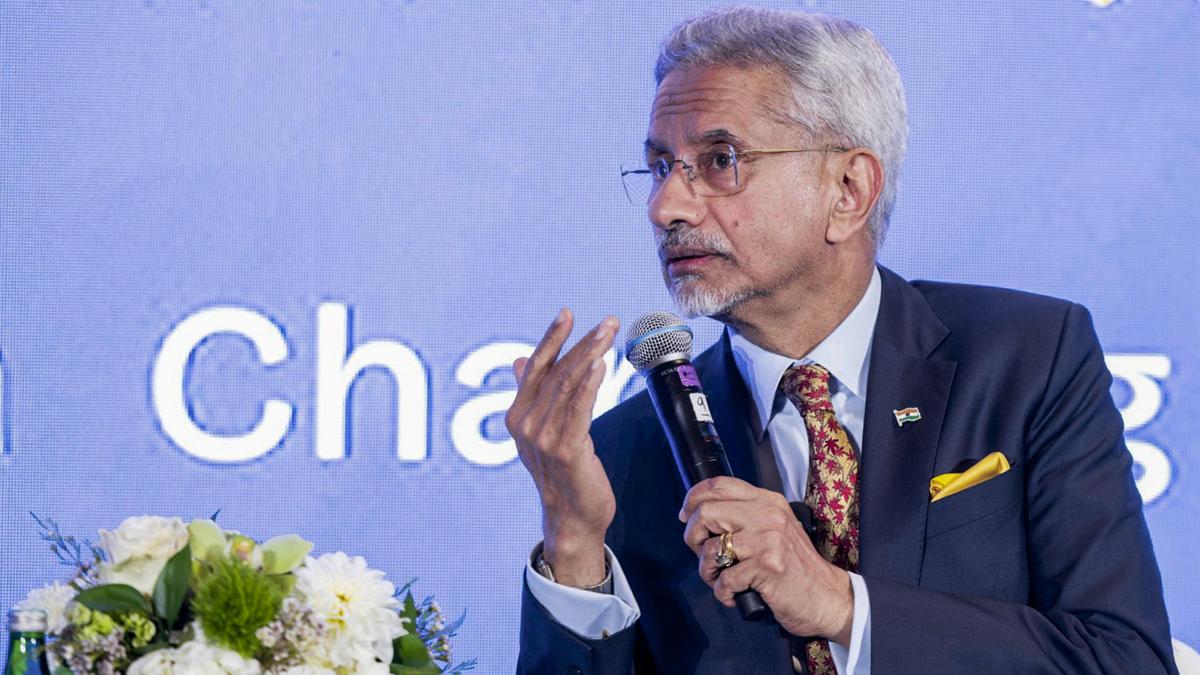
Jaishankar Calls Attacks on Civilian Shipping ‘Indefensible’

Indian Prime Minister Urges Integration of Social Reforms in Governance