Israeli Air Strikes Wound Civilians Amid Ongoing Lebanon Talks


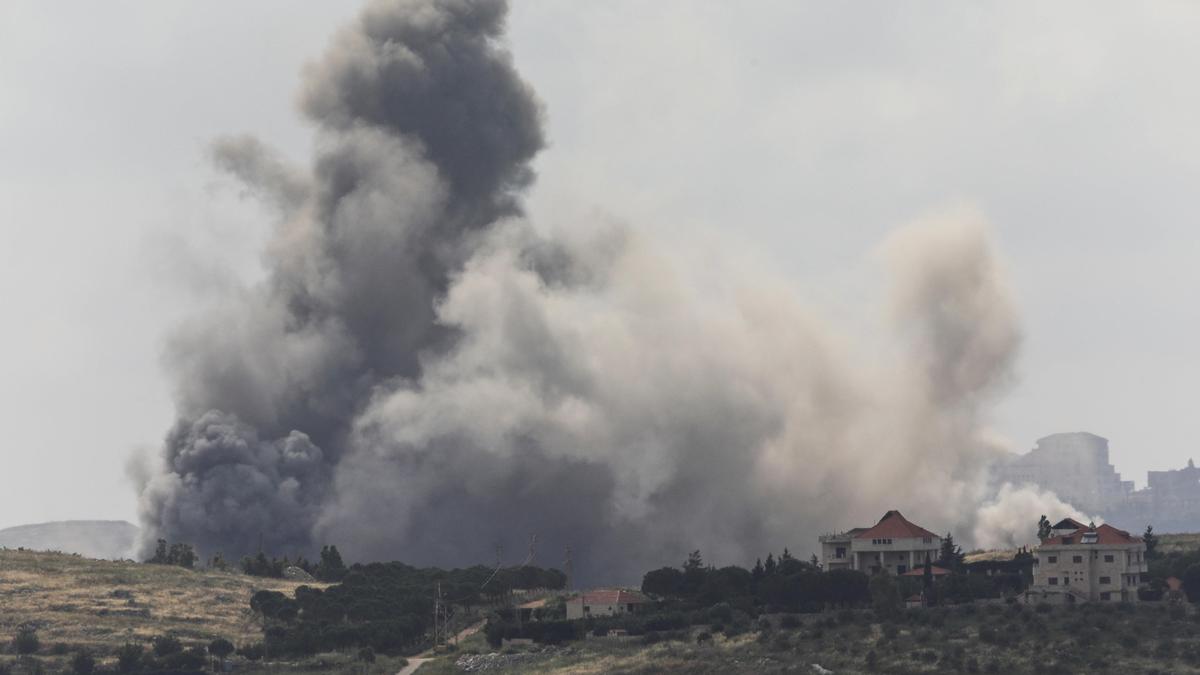
The Israeli military conducted air strikes in southern Lebanon on 15 May 2026, targeting sites associated with the militant group Hezbollah. The strikes resulted in injuries to 37 individuals, as representatives from Lebanon and Israel engaged in peace talks in Washington. The United Nations humanitarian coordinator for Lebanon, Imran Riza, described the situation as 'unacceptable' and highlighted the urgent need for diplomatic solutions to end the violence.
Hezbollah, which is backed by Iran, has been in conflict with Israel, with a truce in place since 17 April 2026. Despite this ceasefire, clashes have continued, leading to significant casualties on both sides. According to reports, over 2,900 people have died in Lebanon due to Israeli strikes since the conflict escalated on 2 March, when Hezbollah retaliated to the killing of Iran's supreme leader, Ali Khamenei. Reports suggest that more than 400 of these deaths occurred after the ceasefire was announced.
The Israeli Defence Forces (IDF) confirmed they targeted Hezbollah's infrastructure in the vicinity of Tyre, a city in southern Lebanon. Eyewitness accounts report extensive air strikes, including one that affected a centre operating in conjunction with a local non-governmental organisation near a hospital. Lebanon's Health Ministry confirmed the injuries involved six medical staff members, nine women, and four children.
Local resident Hafez Ramadan expressed concern for those affected, stating, 'There are only women, children and the elderly here. Because of this strike, people have been displaced again.' The IDF issued evacuation orders for five towns and villages around Tyre, later expanding the warnings to additional areas, indicative of a broader military operation in the region.
Amid these developments, an Israeli soldier was reported killed, increasing the total military casualties on the Israeli side to 19 since early March, including the death of a civilian contractor. The IDF claimed to have eliminated over 220 Hezbollah fighters in recent operations.
Peace negotiations are progressing in Washington, with both countries represented by political veterans: Lebanon’s Simon Karam and Israel’s Yechiel Leiter. Karam, a former ambassador, champions Lebanese unity while Leiter, a key ally of Israeli Prime Minister Benjamin Netanyahu, brings a perspective shaped by settler politics and rigorous diplomacy.
Despite an encouraging start to the negotiations, the future of the recently established ceasefire remains uncertain, as Lebanon calls for an extension and demands an end to Israeli attacks. A breakdown of talks could result in the ceasefire's expiration on Sunday.
Riza underscored the dire situation, stating, 'The reality on the ground in Lebanon has been deeply alarming,' and emphasised the critical need for a political resolution. Hezbollah representatives, however, remain sceptical about the talks, viewing them as problematic amidst ongoing violence, with a senior official characterising negotiations as part of a broader conspiracy against Lebanon's sovereignty.
The conflict has significantly increased tensions in the region, with military actions from both sides prompting international concerns regarding humanitarian impacts and the broader implications for stability in West Asia.
BJP Allies Urge Election Commission to Address Public Concerns
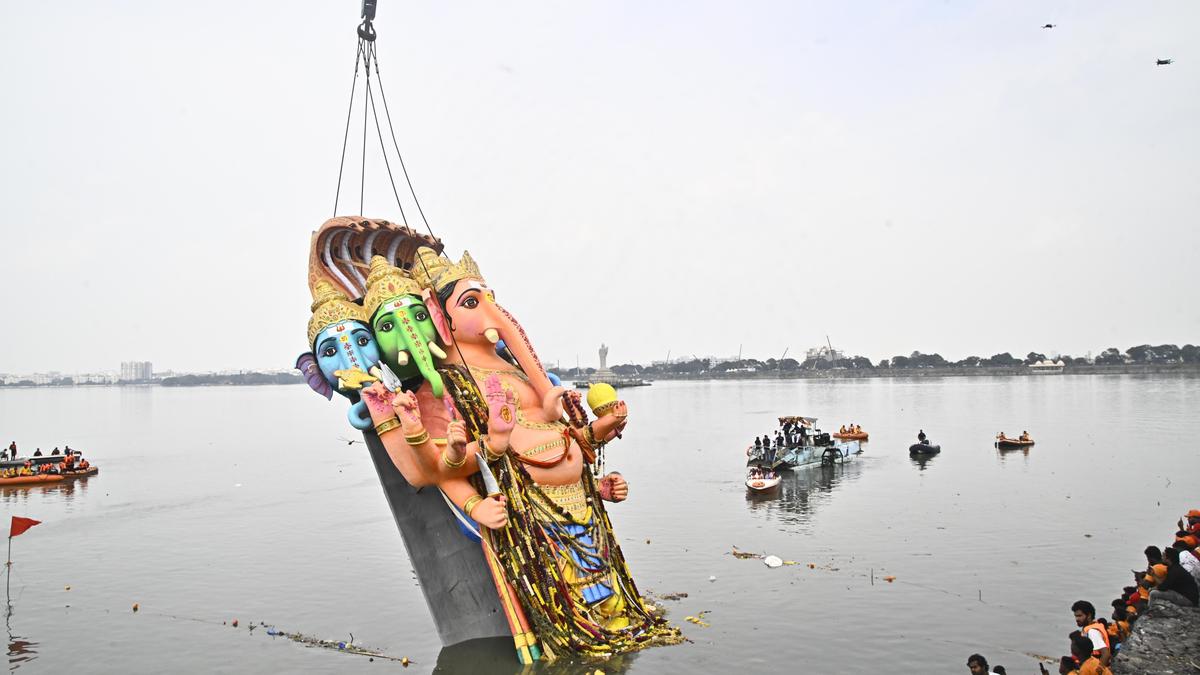
Thousands of Ganesh Idols Immersed in Telangana Festivities
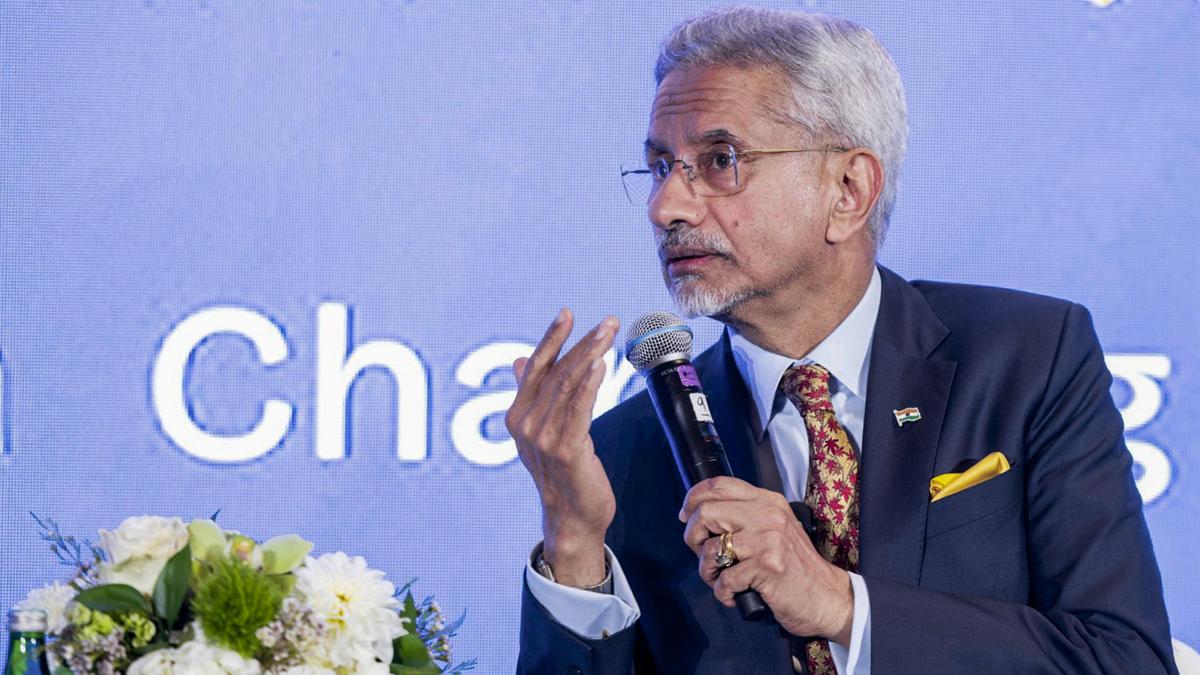
Jaishankar Calls Attacks on Civilian Shipping ‘Indefensible’
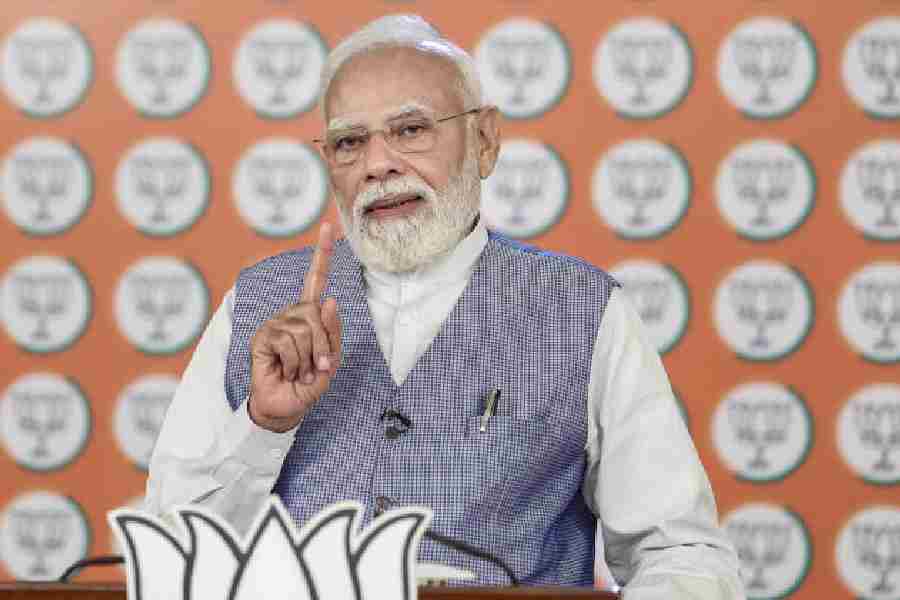
Indian Prime Minister Urges Integration of Social Reforms in Governance