Trump Proposes Destruction of Iran's Desalination Plants Amid Tensions


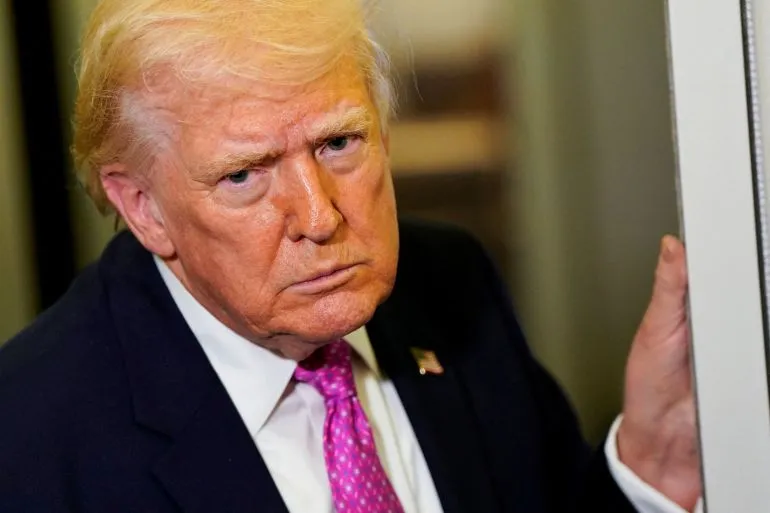
United States President Donald Trump has reiterated threats to destroy Iran's civilian infrastructure, specifically targeting the country's desalination plants. These remarks, made recently, could jeopardise access to clean water for millions of Iranians. Trump has a history of warning Iran about potential US military strikes aimed at its energy and electrical facilities, but his latest comments have added water stations to that list.
In a social media post, Trump stated, "The United States of America is in serious discussions with A NEW, AND MORE REASONABLE, REGIME to end our Military Operations in Iran.” He further claimed that "great progress" had been achieved in negotiations. Should an accord not materialise soon, he warned that the US would obliterate key Iranian infrastructures, including all desalination plants.
Legal experts have condemned these threats as potentially illegal under international law. Yusra Suedi, an assistant professor of international law at the University of Manchester, noted that such actions could constitute collective punishment, which is prohibited by the laws of war. Suedi remarked, “This is clearly an act of collective punishment, which is prohibited under international humanitarian law. You can't deliberately harm an entire civilian population to pressure its government.” The Fourth Geneva Convention specifically states that collective penalties and measures of intimidation or terrorism are impermissible.
Raed Jarrar, advocacy director at the rights group DAWN, expressed that Trump's threats signify "clear, public evidence of criminal intent." He stated, "Threatening to obliterate a nation’s power grid, oil infrastructure, and water supply to coerce its government is not a negotiating tactic; it is textbook collective punishment and a war crime."
Trump had initially issued threats against Iran's electrical grid and energy infrastructure on March 21, coupled with a 48-hour deadline for reopening the Strait of Hormuz. This deadline has since been extended multiple times. In recent statements, Trump has asserted that Iran is desperate to negotiate, claiming that talks between Washington and Tehran are progressing.
While Iranian officials have acknowledged receiving a ceasefire proposal from the US through intermediaries, they have denied that direct negotiations are taking place. The narrative surrounding the conflict remains complex, with both nations asserting their respective advantages. Despite significant US actions against high-ranking Iranian officials, there is no substantiated evidence to support Trump's assertion of a new Iranian government. The Supreme Leader, Ali Khamenei, had been succeeded by his son, Mojtaba, a transition that has led to criticism from Trump.
Despite Trump's threats, Iran has continued its missile and drone operations across the region, while closing the Strait of Hormuz, pushing global energy prices higher. The Iranian governing body has displayed resilience, showing no significant internal unrest despite the ongoing conflict.
Recently, Iran accused the US and Israel of attacking a desalination plant on Qeshm Island, while damage to water facilities in Bahrain and Kuwait was also reported. Although Iran relies less heavily on desalination technology for drinking water compared to some Gulf countries, it has warned that it will retaliate against civilian infrastructure in response to attacks on its facilities.

BJP Allies Urge Election Commission to Address Public Concerns
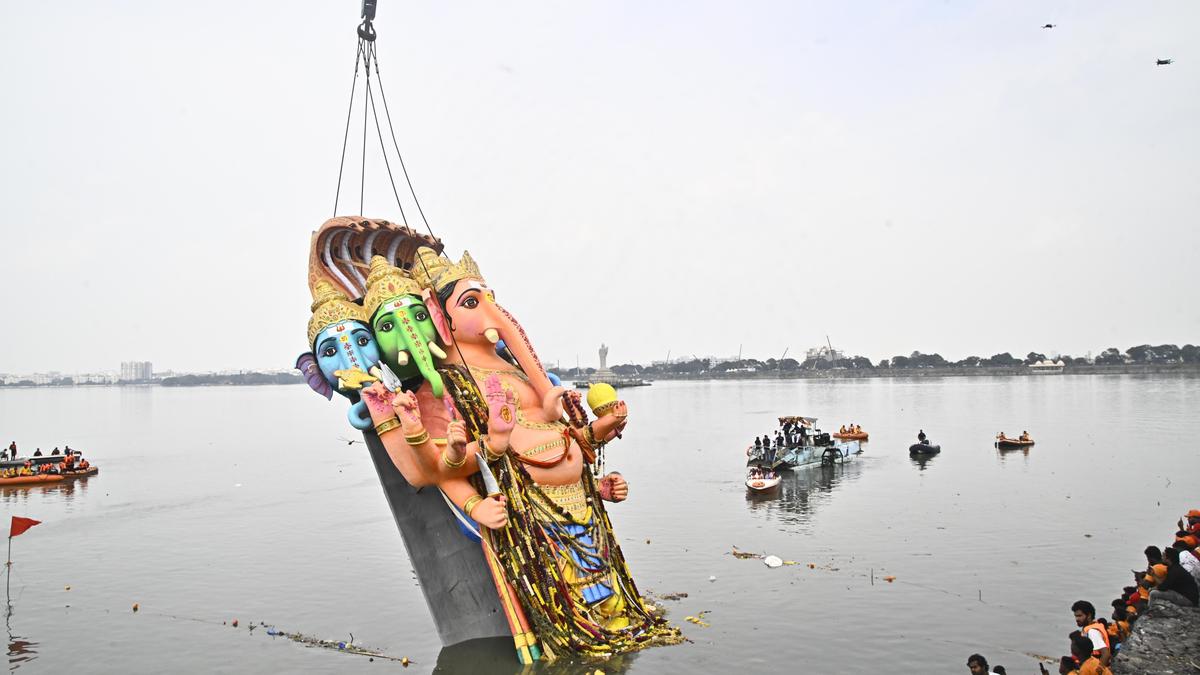
Thousands of Ganesh Idols Immersed in Telangana Festivities
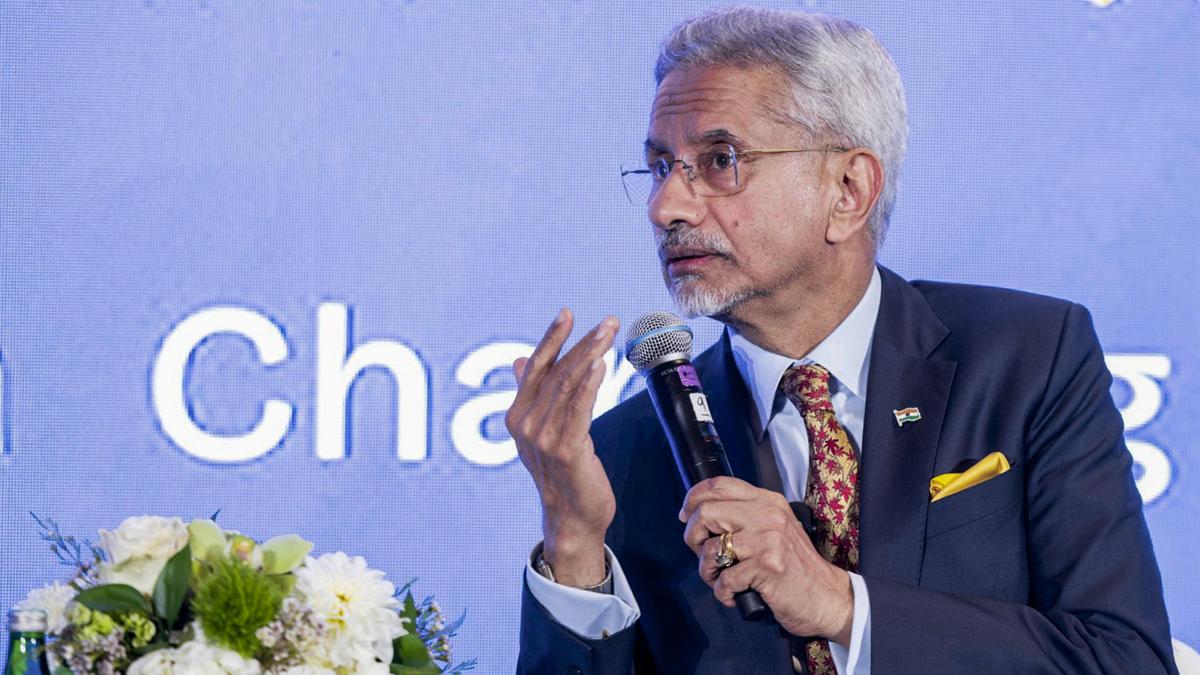
Jaishankar Calls Attacks on Civilian Shipping ‘Indefensible’
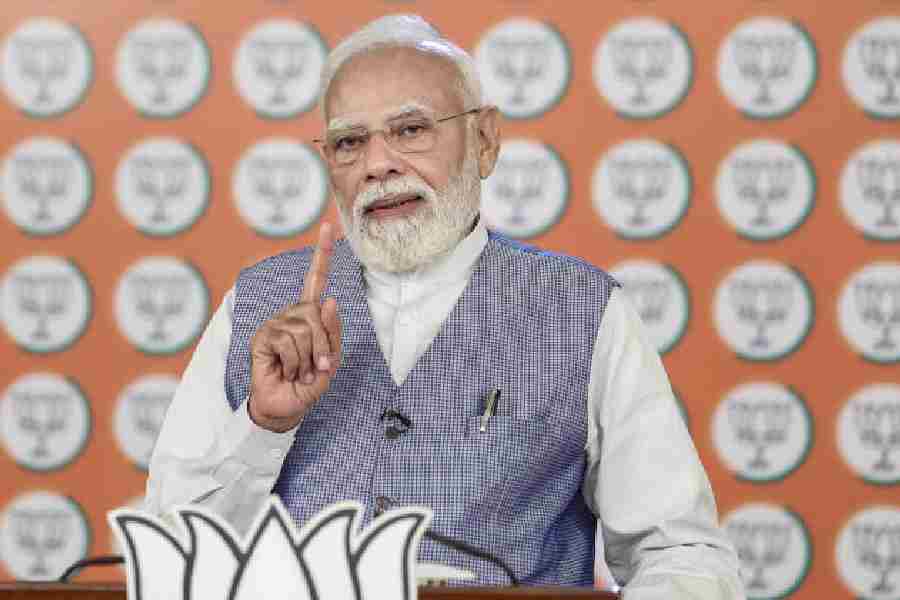
Indian Prime Minister Urges Integration of Social Reforms in Governance