Indian Finance Minister Defends Insolvency Code Amid Amendments


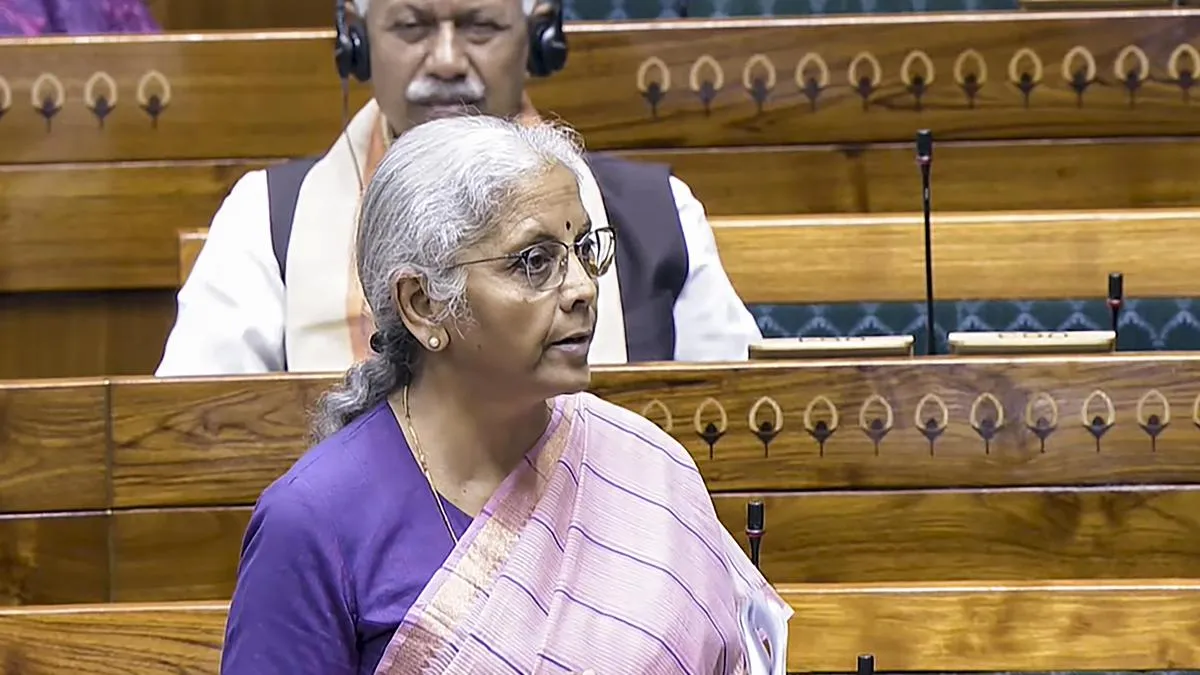
Finance Minister Nirmala Sitharaman defended the Insolvency and Bankruptcy Code (IBC) during a Parliamentary session on March 30, 2026. Speaking in the Lok Sabha, she detailed the success of the IBC in recovering distressed assets and supporting companies through financial turmoil.
In her address, Sitharaman remarked that the IBC’s primary goal is not about recovering debts but rather about salvaging viable businesses facing financial distress. She emphasised, “The IBC is a framework for rescuing viable businesses and resolving financial stress while preserving the enterprise value.” Sitharaman clarified that recovery values are a secondary outcome of the IBC's main function.
The Finance Minister provided statistics highlighting the efficacy of the IBC, stating, “The IBC actually realises 94.95% of the fair value of the company at the time of admission.” She also noted that recoveries have exceeded 171.54% of the liquidation value, indicating a robust recovery process. Sitharaman mentioned that by December 2025, the IBC had facilitated resolutions for 1,376 companies, allowing creditors to recover ₹4.11 lakh crore, with financial creditors recuperating over 34% of their claims.
The IBC was initially enacted in 2016, and Sitharaman pointed out that it has significantly improved the creditworthiness of companies that successfully navigate the resolution process. Over the years, she has noted a positive trend in the ratio of companies resolved compared to those liquidated. In the fiscal year 2017-18, five businesses were liquidated for every one that was resolved. In contrast, this ratio improved significantly to nearly one-to-one by the fiscal year 2024-25.
Another important element Sitharaman highlighted was the “credible threat” that the potential loss of ownership through the IBC brings, which has encouraged debtors to address 32,179 cases before formal proceedings, thereby tackling defaults worth ₹14.62 lakh crore.
The Lok Sabha has passed a Bill to amend the IBC, introducing measures such as stricter timelines and an option for out-of-court settlements. The amendments aim to enhance transparency in the process, mandating the Committee of Creditors to provide detailed justifications for selecting successful resolution applicants. Sitharaman stated that these amendments would strengthen accountability and reduce the possibility of litigation concerning bid selections.
This legislation represents the seventh set of amendments to the IBC since its inception. The Finance Minister believes that the changes, including provisions for cross-border insolvency, will align India’s practices with global standards and enhance investor confidence in the country's insolvency framework.
Sitharaman concluded her speech by reaffirming that worker protections remain integral to the IBC framework, ensuring that labour dues are prioritised in the distribution of assets. The government hopes that these amendments will pave the way for a more efficient and fair insolvency resolution process in India.
BJP Allies Urge Election Commission to Address Public Concerns

Thousands of Ganesh Idols Immersed in Telangana Festivities
Jaishankar Calls Attacks on Civilian Shipping ‘Indefensible’
Indian Prime Minister Urges Integration of Social Reforms in Governance