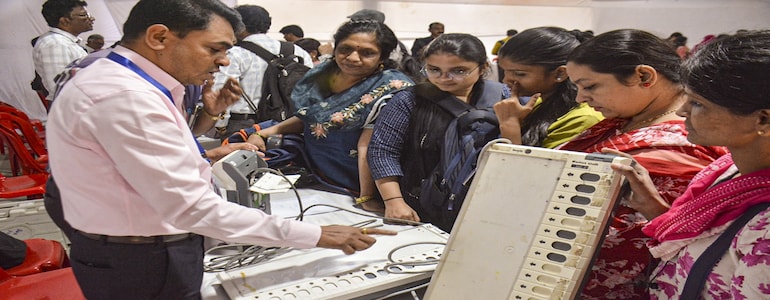
Analysis of Promises Made by Tamil Nadu's DMK Government


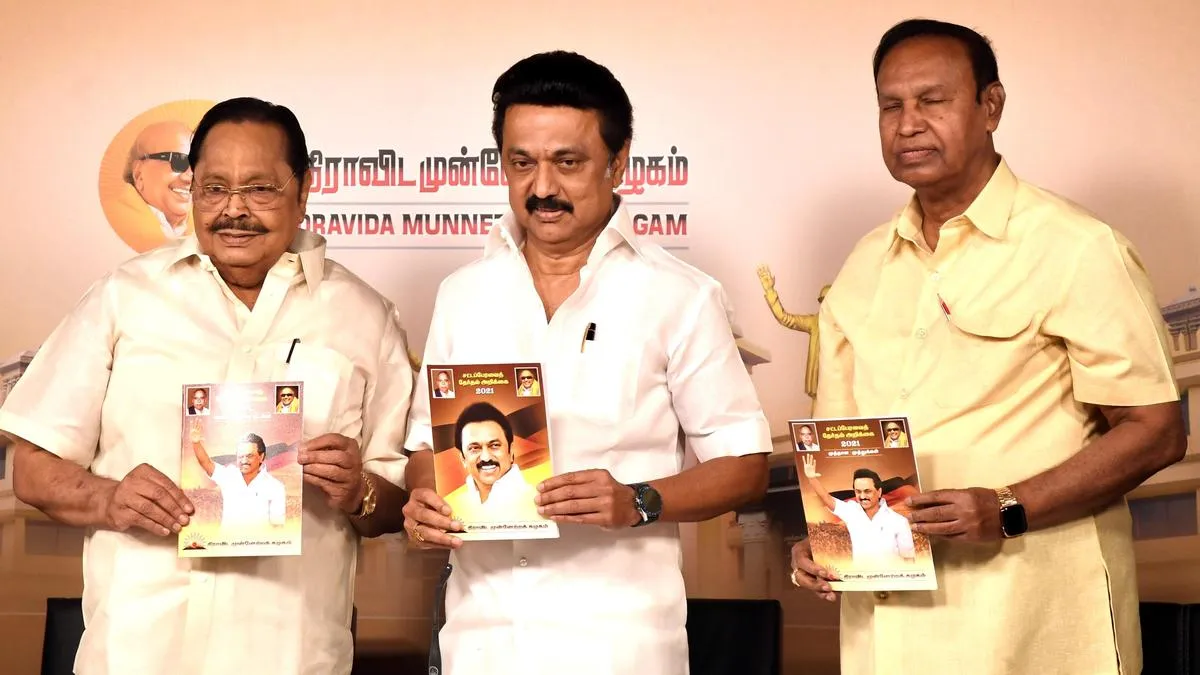
In the last five years of governance, the Dravida Munnetra Kazhagam (DMK) party in Tamil Nadu has touted its fulfilment of numerous promises made during the 2021 elections while facing scrutiny over those that remain unachieved. Earlier this month, Finance Minister Thangam Thennarasu stated that approximately 75% of the total promises made during the election campaign had either been fulfilled or were in progress. According to the Minister, of the 505 total promises, 206 have been realised, while 170 are currently being implemented, and 32 remain under consideration by the state government.
A notable feature of the DMK government's term has been the rollout of several welfare schemes. Among the most impactful is the Kalaignar Magalir Urimai Thittam, which benefits approximately 1.31 crore female heads of households by providing a monthly financial assistance of ₹1,000. Another initiative, Vidiyal Payanam, grants women zero-cost bus travel on selected routes, significantly aiding their mobility.
However, there are also numerous promises that have either not been implemented or only partly addressed. Early claims from various party leaders suggesting a fulfilment rate of 90% have been moderated to 75% officially. Despite this, some key pledges remain contentious.
Among these are commitments regarding the National Education Policy. The DMK had promised to establish a separate education policy for Tamil Nadu, leading to the formation of the Justice Murugesan Committee. But the only output thus far has been the Tamil Nadu School Education Policy 2025, with the Higher Education Policy yet to be drafted. Promises regarding the establishment of a Horticulture University in Krishnagiri and an Agriculture University in Madurai, for instance, have yet to materialise.
Further notable undelivered promises include a dedicated reservation of 2.5% for students from government-aided schools in medical college admissions and a commitment to repay student education loans for those unable to do so. The DMK also promised affordable Kalaignar Canteens across 500 locations, aimed to support disadvantaged populations; however, this has not yet been realised.
Additionally, while the government assured the establishment of special courts for corruption cases against former All India Anna Dravida Munnetra Kazhagam Ministers, action has been limited. Promises for local job reservations in the private sector and prioritising first-generation graduates in government roles have similarly seen little follow-through.
On the side of popular pledges, the government has failed to provide ₹100 subsidies on cooking gas for those on ration cards and did not reduce diesel prices as promised. Although there was a minor drop in the state excise duty on petrol, it was less than earlier committed. The government also indicated plans to allow monthly payments for electricity bills, a change meant to relieve households financially, but this has not yet been implemented.
Further complicating matters, the DMK had committed to abolishing medical admissions based on the National Eligibility cum Entrance Test (NEET), but efforts were stalled as the President did not give assent to the related legislation. Lastly, a promise to convene the Legislative Assembly for at least 100 days a year has not been upheld; data from PRS Legislative Research reveals that the average sitting days have been notably lower than those during the previous AIADMK regime.
As Tamil Nadu approaches the upcoming 2026 Assembly elections, these unfulfilled promises may become pivotal in shaping voter sentiment and the political landscape in the region. The government's performance over the past five years is likely to be scrutinised further as constituents evaluate the DMK's record against its commitments.
BJP Allies Urge Election Commission to Address Public Concerns
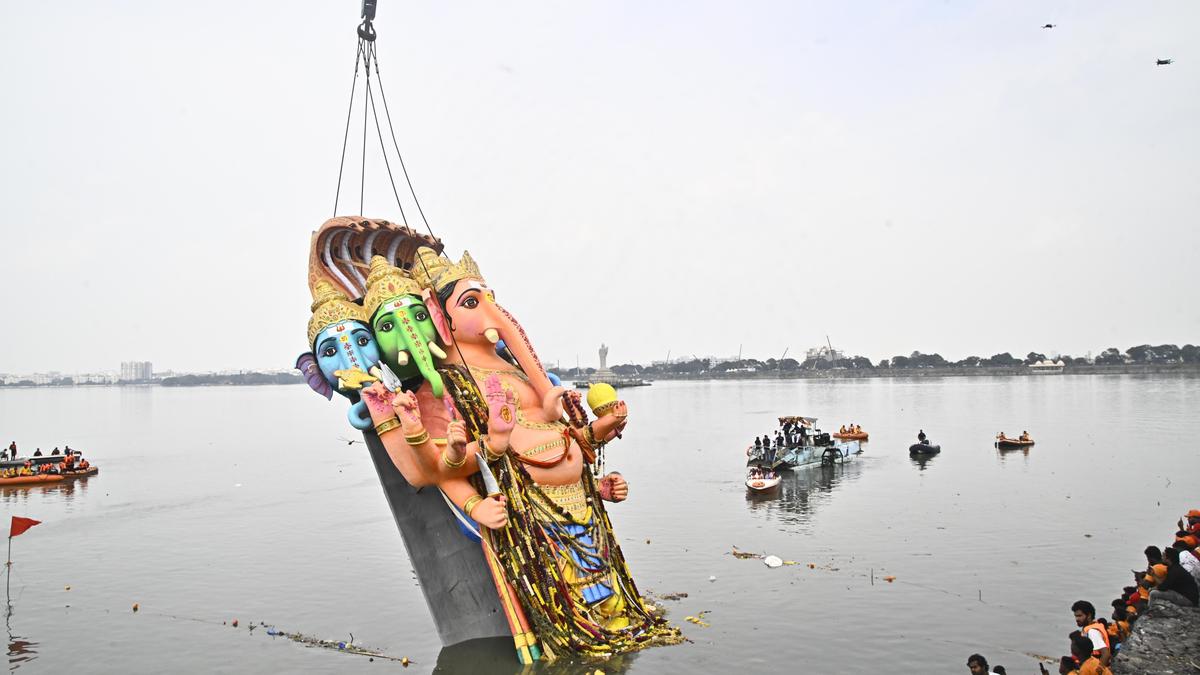
Thousands of Ganesh Idols Immersed in Telangana Festivities
Jaishankar Calls Attacks on Civilian Shipping ‘Indefensible’
Indian Prime Minister Urges Integration of Social Reforms in Governance