Trump Demands Iran ‘Unconditional Surrender’ as War Escalates


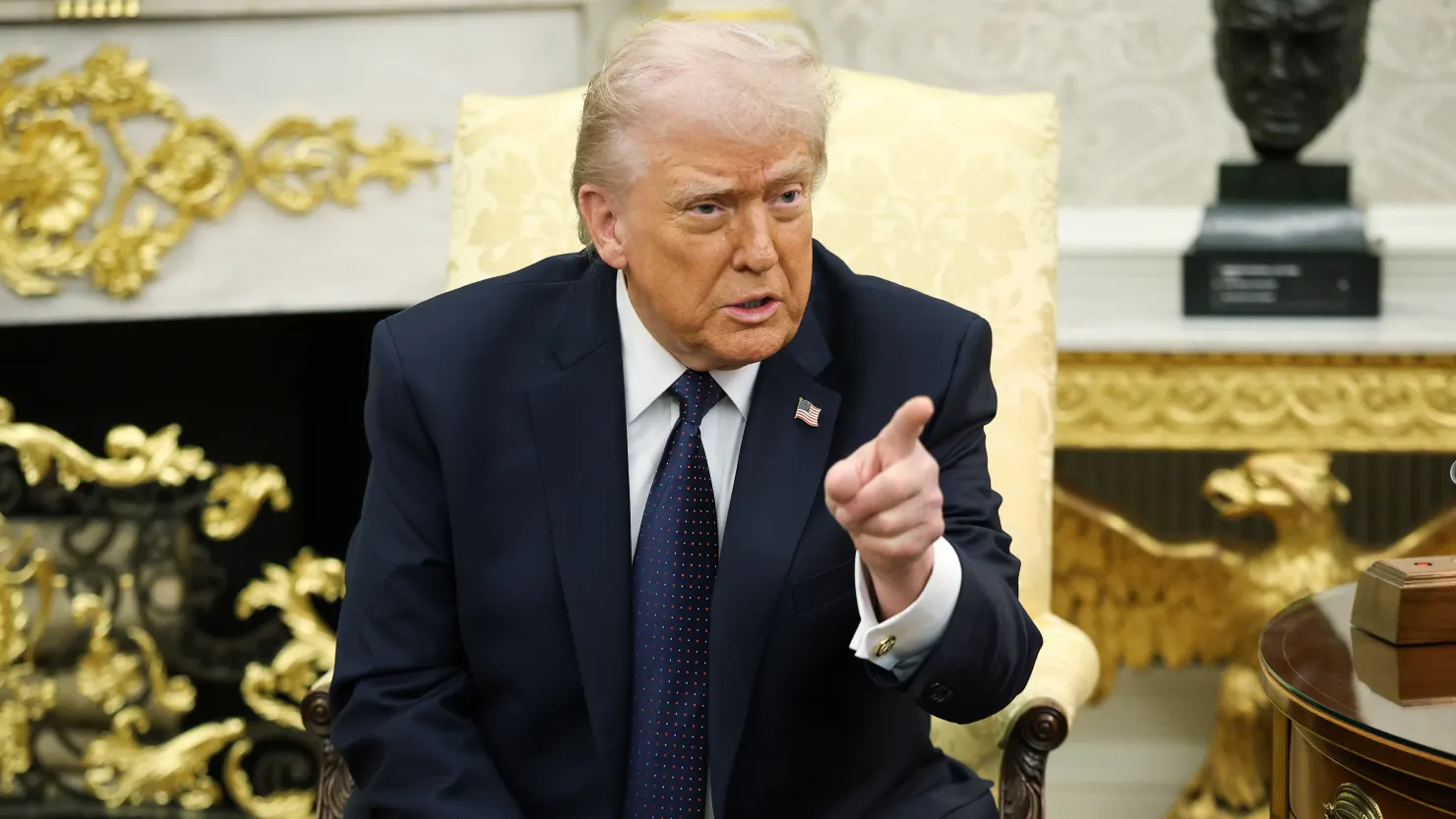
United States President Donald Trump has said there will be no negotiations to end the war with Iran unless the country accepts what he called “unconditional surrender”, as military operations and regional tensions continue to intensify across the Middle East.
The statement came as Israeli and United States forces carried out further strikes against Iranian targets, while Iran launched retaliatory missile and drone attacks across the region, raising fears of a wider conflict and driving global oil prices sharply higher.
Trump rejects negotiations with Iran
President Donald Trump made the remarks in a message posted on his social media platform, stating that diplomatic talks would not take place unless Iran first agreed to surrender completely.
“There will be no deal without UNCONDITIONAL SURRENDER,” Mr Trump wrote.
He also suggested that once Iran surrendered and new leadership acceptable to the international community was selected, the United States and its allies would assist the country’s recovery.
In the same message, he said that Washington and its partners would work to rebuild Iran and make it “economically bigger, better, and stronger than ever before.”
The comments have raised questions about the ultimate goals of the conflict, which began a week earlier when the United States and Israel launched coordinated military operations targeting Iran’s leadership, military infrastructure and nuclear programme.
Leadership uncertainty in Iran
The conflict has created political uncertainty in Iran following the death of Supreme Leader Ayatollah Ali Khamenei in an airstrike carried out during the opening phase of the campaign.
Iran’s political system requires the country’s Assembly of Experts, an 88-member clerical body, to select the next supreme leader.
Iranian state media reported that discussions had begun among senior figures on how to convene the assembly amid the ongoing air campaign. Some buildings associated with the body have reportedly been damaged in strikes.
President Masoud Pezeshkian indicated that some countries have begun informal mediation efforts aimed at reducing tensions, though no details were provided.
Meanwhile, Mr Trump told media organisations that he believed the United States should play a role in determining who leads Iran in the future.
Escalation across the Middle East
The conflict has spread across several countries in the region, with missile and drone strikes reported in multiple Gulf states that host American military bases.
Authorities in Qatar, Saudi Arabia and Bahrain said their air defence systems intercepted projectiles believed to have been launched from Iran. Air raid sirens were reported in Bahrain after missiles targeted areas near United States military facilities.
Officials in several Gulf countries also reported civilian casualties linked to the attacks. Governments in Oman, Kuwait, Bahrain and the United Arab Emirates said at least 15 civilians had been killed.
In Israel, explosions were heard in the city of Tel Aviv after warnings of incoming missiles from Iran. Israeli defence systems intercepted many of the projectiles, though the military said several soldiers had been wounded in fighting with Hezbollah along the northern border.
Israel’s military said it carried out extensive airstrikes on Tehran, the Iranian capital, describing them as part of a “broad-scale wave of strikes” targeting strategic facilities.
Witnesses reported large explosions and rising smoke in parts of the city. Additional strikes were reported near the Iranian city of Kermanshah, which hosts several missile installations.
United States military operations
The United States military also announced further operations against Iranian forces.
The US Central Command said its forces had attacked an Iranian drone carrier known as the IRIS Shahid Bagheri, which was reportedly converted from a commercial container vessel into a platform capable of launching drones.
Video released by the military showed the ship burning after the strike. Iranian authorities did not immediately comment on the incident.
Earlier in the conflict, a United States submarine sank an Iranian frigate off the coast of Sri Lanka while it was returning from a naval exercise. Sri Lankan naval forces later rescued several surviving crew members and recovered the bodies of dozens of sailors.
Israel strikes Lebanon as civilians flee
The conflict has also intensified in Lebanon, where Israeli airstrikes have targeted areas associated with the Iran-backed armed group Hezbollah.
Air raids struck the southern suburbs of Beirut, a densely populated area where Hezbollah maintains a strong presence. Lebanese authorities said more than 200 people have been killed in Israeli attacks during the past week, with hundreds more injured.
Large numbers of residents have fled southern districts of the capital following evacuation warnings issued by the Israeli military.
One displaced resident, Jihan Shehadeh, described the situation to reporters, saying: “What can we do? We prayed here under the tree. During the night we slept in the car because there is no place to stay.”
Lebanese Prime Minister Nawaf Salam criticised both Israel and Hezbollah, saying the Lebanese people had not chosen to be involved in the conflict.
Global economic concerns
The escalating war has also triggered volatility in global financial markets and energy prices.
After Mr Trump’s statement rejecting negotiations, the Dow Jones Industrial Average fell by more than 900 points, while the S&P 500 and Nasdaq Composite also declined.
Oil markets reacted strongly to the growing risk of disruption to Middle Eastern supplies. The global benchmark Brent crude oil price rose above 90 dollars per barrel, the highest level in more than two years.
Energy analysts say the conflict threatens shipping through the Strait of Hormuz, a narrow waterway between Iran and Oman through which roughly one fifth of the world’s oil supplies pass.
Qatar’s energy minister Saad al-Kaabi warned that prolonged disruption could have severe consequences for the global economy.
He told the Financial Times that oil prices could rise to as much as 150 dollars per barrel if tankers are unable to move safely through the strait.
“If exports from the Gulf are interrupted, it could bring down the economies of the world,” he said.
Wider implications
The war has already resulted in significant casualties across the region.
Officials say more than 1,200 people have been killed in Iran since the conflict began, while over 200 deaths have been reported in Lebanon and several people have died in Israel. Six United States service members have also been confirmed killed.
Diplomatic efforts to halt the fighting remain uncertain as both sides continue military operations.
Analysts say the coming days could prove critical for determining whether the conflict remains limited to military targets or expands into a broader regional confrontation affecting global energy markets and international security.
US Waiver Allows India to Buy Russian Oil Amid Strait of Hormuz Tensions

Motorola Razr 70 Foldable Specifications Revealed Ahead of Launch

Oil Prices Could Hit $150 as Iran War Threatens Gulf Exports
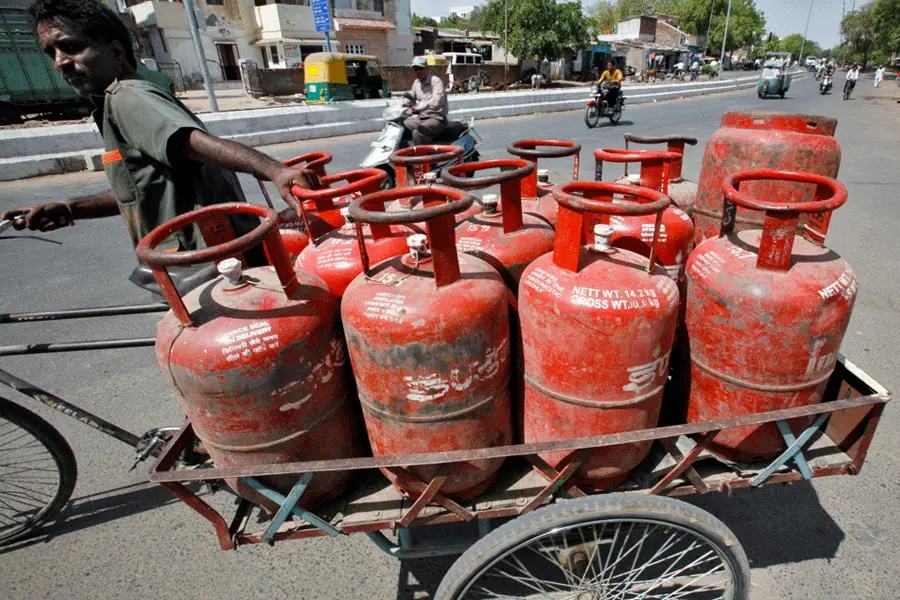
India Orders Refiners to Boost LPG Output Amid Iran War Fears