India Orders Refiners to Boost LPG Output Amid Iran War Fears


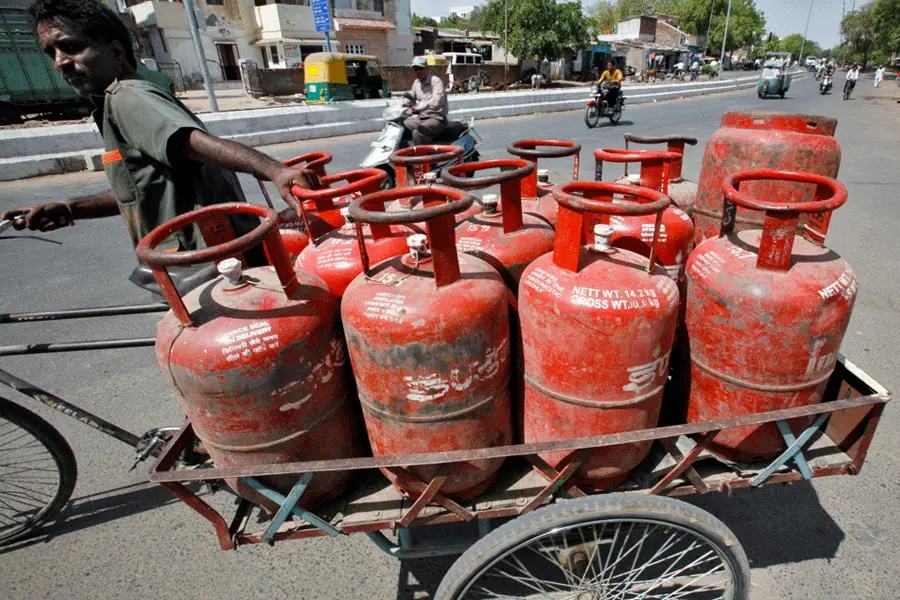
India has invoked emergency powers and ordered oil refiners to maximise production of liquefied petroleum gas (LPG) in an effort to prevent shortages of the cooking fuel amid concerns over supply disruptions linked to tensions in the Middle East.
The directive was issued by the Indian government under the Essential Commodities Act, 1955, after the escalation of conflict involving Iran raised fears that supplies from the region could be affected. The order requires refiners to prioritise the production and domestic distribution of LPG, which is widely used for cooking across the country.
According to government data, India is the world’s second-largest importer of LPG and consumed about 33.15 million metric tonnes of the fuel last year. Imports account for roughly two-thirds of total consumption, and around 85 to 90 percent of those imports originate from Middle Eastern producers.
Government invokes emergency provisions
The Ministry of Petroleum and Natural Gas issued the order late on Thursday, directing all oil refining companies to maximise the use of propane and butane—key components used to produce LPG.
The directive states that refiners must “maximise and ensure that propane and butane available with them are utilised for production of LPG” to maintain adequate supplies for domestic consumers.
It also instructs producers to make LPG, propane and butane available to India’s state-run oil marketing companies—Indian Oil Corporation, Hindustan Petroleum Corporation and Bharat Petroleum Corporation—which together distribute cooking gas to most households in the country.
Government figures show India currently has about 332 million active LPG consumers, making the fuel a critical part of household energy supply.
Restrictions on petrochemical production
The emergency order also prohibits refiners from diverting propane or butane for use in petrochemical production. These substances are commonly used to manufacture petrochemical products such as polypropylene and alkylates, which are used in fuel blending.
By requiring these feedstocks to be redirected towards LPG production, the government aims to ensure that domestic cooking gas supplies remain stable despite uncertainty in global energy markets.
However, industry analysts say the move could have financial consequences for some companies, as petrochemical products often command higher prices than LPG.
A trade source said the diversion of propane and butane into LPG production could reduce profit margins for petrochemical producers because products such as polypropylene and alkylates typically generate stronger returns.
Impact on refining and exports
The policy may also affect operations at large private-sector refiners. Reliance Industries, which operates one of the world’s largest refining complexes in India, produces alkylates used in petrol blending.
Market data from the London Stock Exchange Group shows the company exported about four cargoes of alkylates each month last year. Redirecting feedstocks to LPG production could therefore reduce the volume available for export.
Industry experts say refiners may need to adjust their processing configurations to comply with the order while maintaining refinery efficiency.
Despite the potential impact on petrochemical output, officials appear to have prioritised ensuring domestic energy security as tensions in the Middle East threaten to disrupt supply chains.
Context: LPG’s importance in India
Liquefied petroleum gas plays a central role in India’s household energy system. Government programmes over the past decade have expanded access to clean cooking fuel, replacing traditional biomass such as firewood and coal.
As a result, hundreds of millions of households rely on LPG cylinders supplied by the country’s three state-owned oil marketing companies.
Because India depends heavily on imports—particularly from Middle Eastern producers—any disruption to shipping routes or regional production can quickly raise concerns about supply stability.
The government’s decision to invoke the Essential Commodities Act reflects the seriousness of those concerns. The legislation allows authorities to regulate production, supply and distribution of key goods during emergencies in order to prevent shortages or price spikes.
Officials say the current measures are intended to ensure that India’s large consumer base continues to receive adequate supplies of cooking gas despite uncertainty in global energy markets.
Kerala Initiates Probe into 2006 Suicide Case Involving CEC

Extradition of Sheikh Hasina Feasible, Says Indian High Commissioner

Punjabi Makeup Artist Mad Sandhu Shot Dead in Amritsar

India Achieves Fourth Place at Asian Games 2026 Through Late Success