Trump's Comments on Strait of Hormuz Spark NATO Concerns


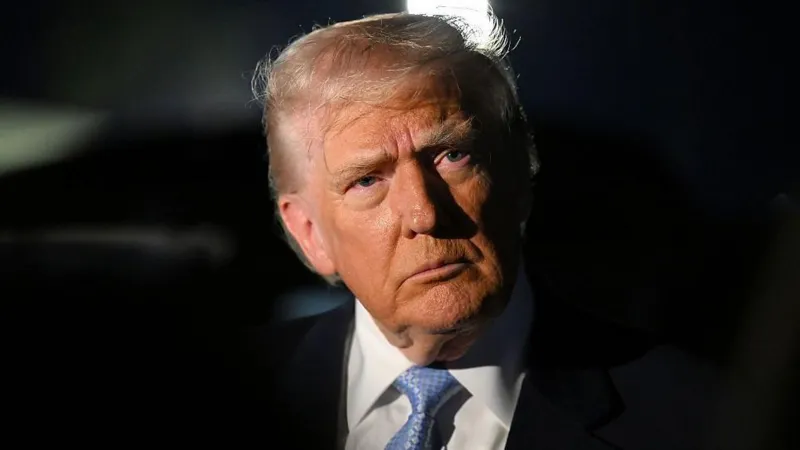
US President Donald Trump has sparked controversy with his remarks regarding the importance of securing the Strait of Hormuz, indicating that failure to do so would be detrimental to the future of NATO. This statement, made during his presidency, has raised eyebrows given NATO's foundational purpose as a defensive alliance. General Sir Nick Carter, the former chief of the Defence Staff in the UK, remarked on this issue, stating, “NATO was created as a... defensive alliance. It was not an alliance that was designed for one of the allies to go on a war of choice and then oblige everybody else to follow.”
Trump's recent comments come after a tumultuous time during his presidency, characterised by a series of criticisms directed at NATO allies. He previously made controversial assertions related to Greenland, further adding to the complexity of international relations within the alliance. In reaction to his latest comments, officials in Germany were quick to assert that the potential conflict with Iran had “nothing to do with NATO.”
Germany's Defence Minister, Boris Pistorius, dismissed the notion that European naval forces could significantly contribute to stabilising the situation, questioning the efficacy of a small contingent of European frigates against the might of the US Navy. He argued, “What does Trump expect from a handful of European frigates that the powerful US navy cannot do?”
The current geopolitical circumstances have heightened urgency surrounding the Gulf region since Iran's actions have effectively hindered passage through the Strait of Hormuz, which is pivotal for global oil shipments. With limited options available, Western nations have found themselves scrambling for solutions to this pressing crisis.
UK Prime Minister Sir Keir Starmer acknowledged ongoing discussions with American, European, and Gulf partners aimed at developing a viable plan, although he emphasised that concrete decisions had yet to be made. There are reports of advanced autonomous mine-hunting technologies being deployed in the region, yet with HMS Middleton, a British mine countermeasures vessel, undergoing maintenance, the UK currently lacks a dedicated naval presence for mine clearance.
Officials are also voicing concern regarding the adequacy of current naval capabilities. Tom Sharpe, a former Royal Navy commander, suggested that the new British technologies have yet to undergo real combat testing, hinting at uncertainty about their effectiveness in an operational theatre.
In contrast, General Carter highlighted the historical significance of naval mine clearance, indicating that the last major de-mining operation by Western powers occurred in 1991, with a lengthy process marking its completion.
Besides the threat posed by naval mines, the capabilities of Iran's Revolutionary Guard to utilise armed fast boats and drones to disrupt shipping present additional concerns. Recent images released by Iran's Fars News Agency show equipment being stored in underground tunnels, suggesting that preparation for potential escalation has been underway. In an effort to maintain control over the Strait of Hormuz, Trump has mentioned the possibility of striking Iranian coastal positions, though many of Washington's allies may hesitate to become enmeshed in direct military engagements.
In light of escalating tensions, both the US and Israeli officials are reported to be considering campaigns that could prolong military actions in the region. In response to calls for assistance to safeguard merchant vessels navigating the vital waterway, Germany has reaffirmed its stance against military participation. Similarly, Kaja Kallas, the European Union's foreign policy chief, expressed reluctance regarding the EU's role while emphasising that the current conflict does not constitute Europe’s war.
Germany's Foreign Minister, Johann Wadephul, stated that further discussions on security arrangements would depend on clarity from allies regarding their military objectives within Iran. As the situation evolves, France's President Emmanuel Macron appears to signal a willingness for greater involvement, in contrast to other European leaders. With ongoing diplomatic efforts and military strategies being debated, the situation in the Gulf remains unstable, with significant implications for global energy markets and international security.

Bilateral Meetings and Side Conversations Mark Global Summit
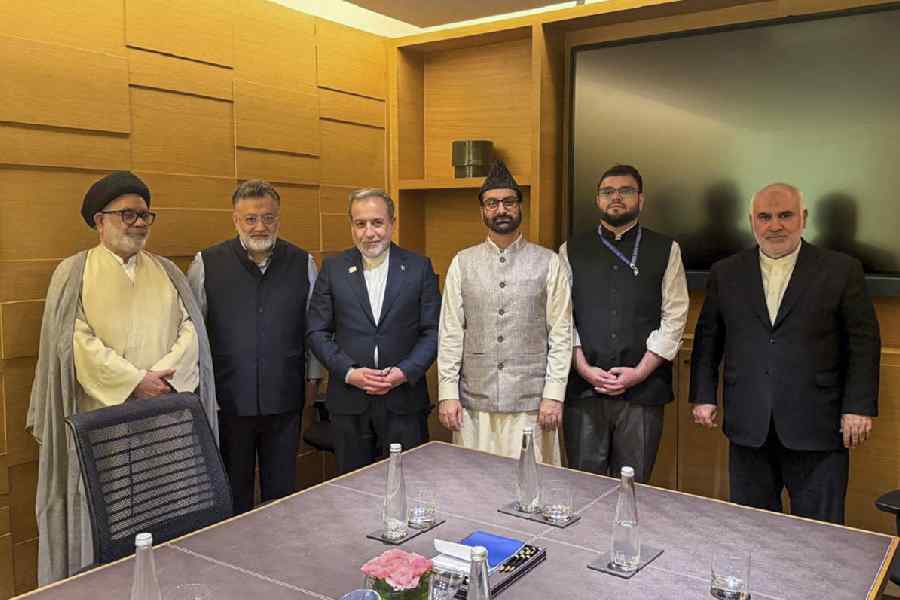
UAE and Iran Leaders Discuss Relations at BRICS Summit
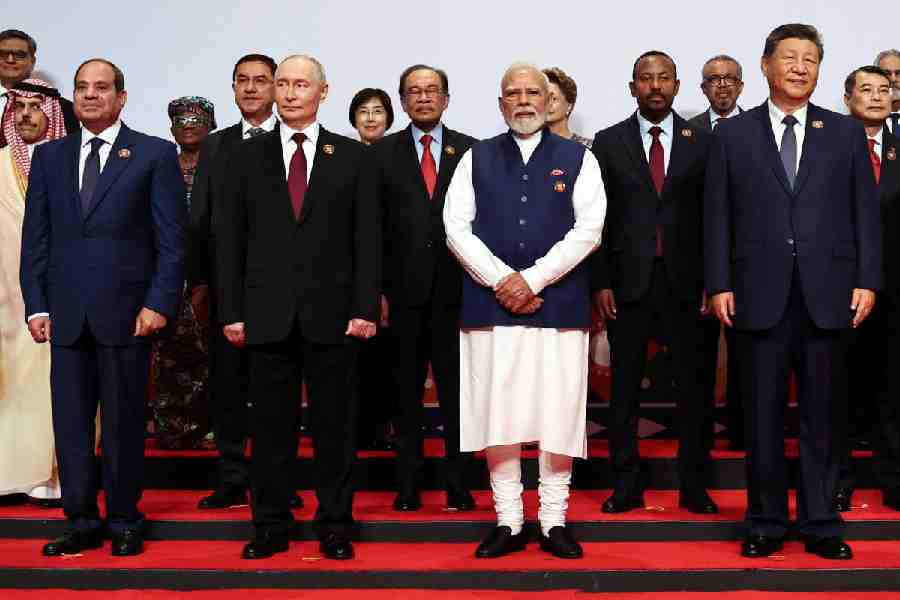
BRICS Summit Highlights Concerns Over Critical Minerals and Technology
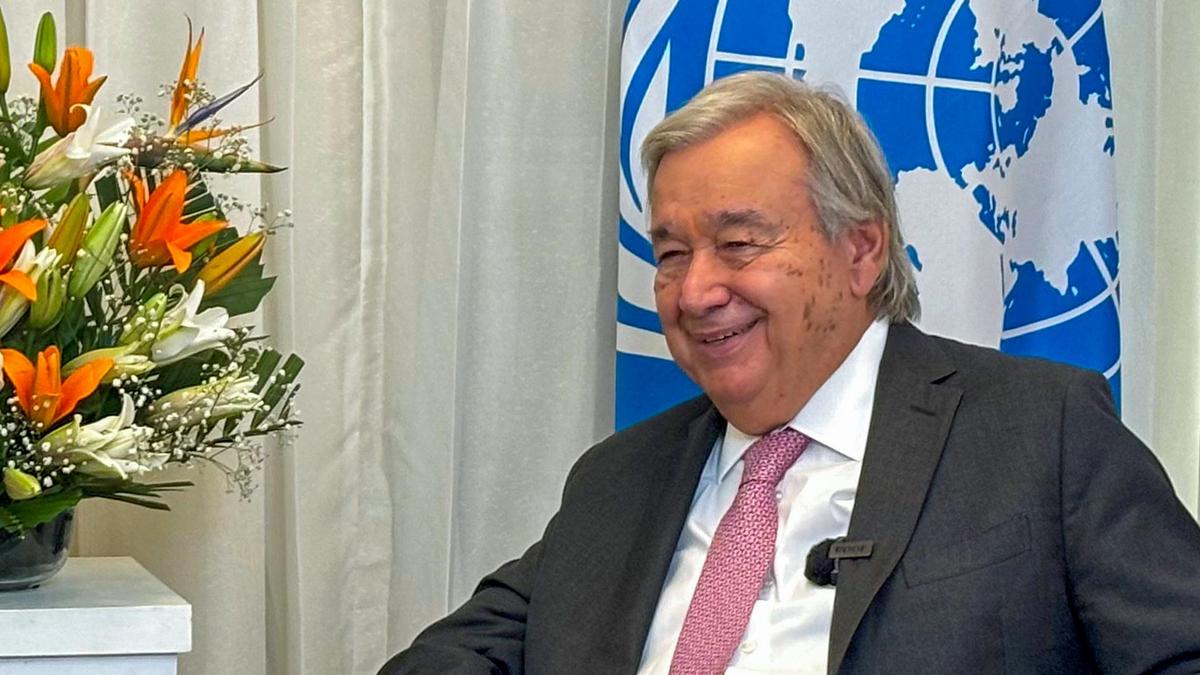
UN Secretary-General Discusses Security Council Challenges