Concerns Rise Over India's Gas Supply Amid Media Claims of Safe Passage


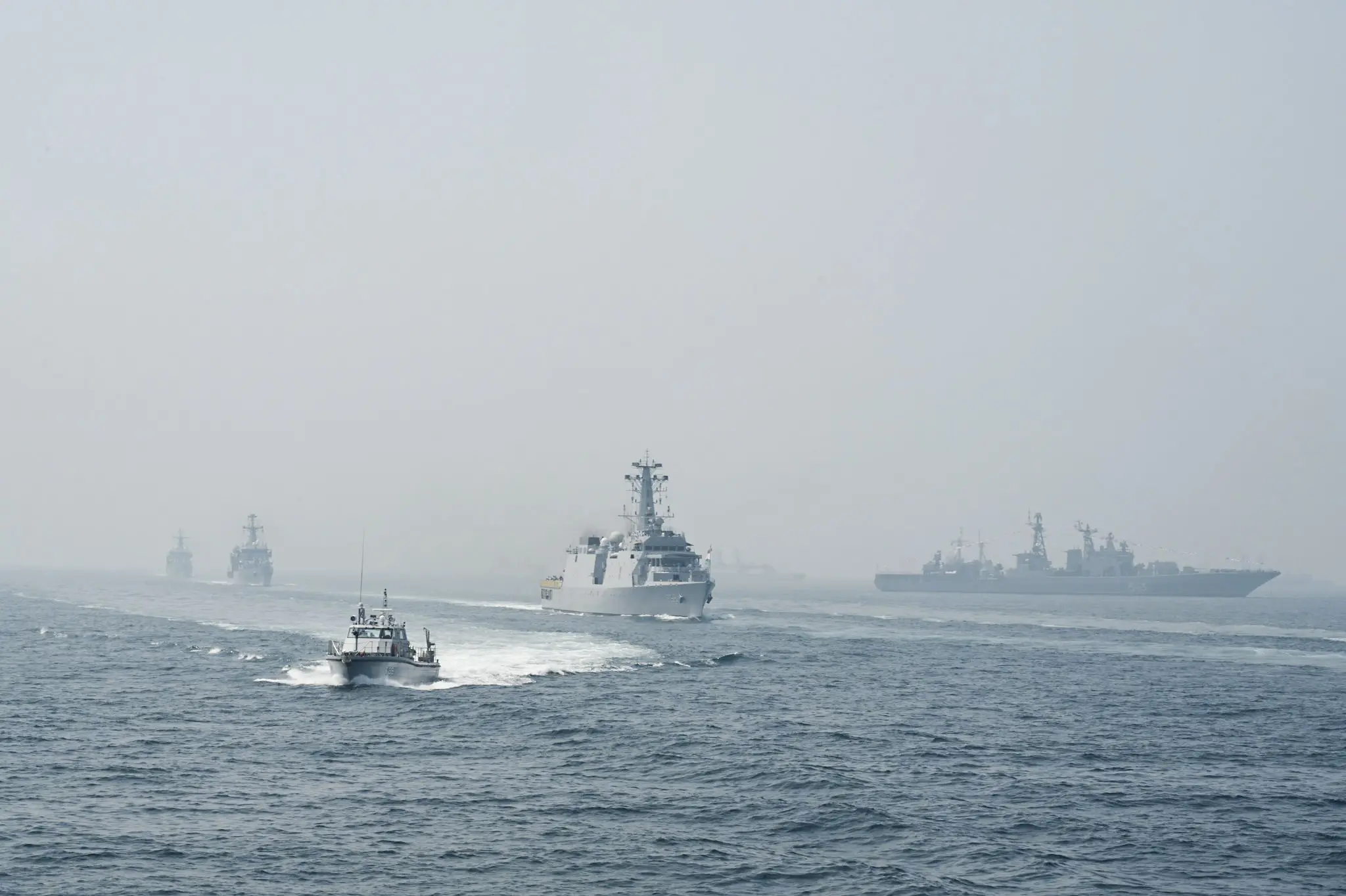
Amid growing tensions and rising public discontent over gas shortages, reports surrounding India’s energy security have become a contentious issue. Over the past week, various media outlets in India have circulated the claim that Iran has exempted Indian-flagged ships from a blockade of the Strait of Hormuz. The Indian Navy’s newly deployed warship task forces to escort vessels have also drawn attention against this backdrop.
According to ANI, the largest news agency in India, unnamed sources suggested that Tehran has agreed to allow Indian vessels safe passage through the strategic Strait. The Times of India echoed this sentiment in its own coverage. Social media posts from the Bharatiya Janata Party (BJP) went so far as to credit the “civilisational leadership of the Priest-King Modiji” for this perceived development.
However, India's External Affairs Minister S. Jaishankar clarified in an interview with the Financial Times that no such blanket arrangement exists for Indian vessels. He stressed that each ship's movement through the Strait is subject to negotiation.
This situation raises the question of why the BJP has resorted to media claims in light of gas shortages. Given that India is heavily reliant on West Asian countries for oil and gas supplies and has minimal storage capacity, public frustration is mounting as shortages persist.
Historically, India has maintained a fine balance in its foreign policy, but under Prime Minister Narendra Modi, the alignment with the United States and Israel appears increasingly pronounced. Following military interventions from these nations, India's acknowledgement of recent developments in Iran has been tepid, complicating its relations further.
While the Modi government has distanced itself from Iranian oil, as highlighted by the cessation of its purchases in 2019, this move has likely strained India’s position in the ongoing geopolitical landscape. Moreover, India's non-involvement in the current Iran conflict contrasts sharply with the assistance provided to Chinese and Bangladeshi vessels, who reportedly enjoy blanket exemptions to navigate through the Strait.
Additionally, the Indian Navy's deployment of task forces to the Gulf aims to ensure the security of merchant vessels passing through the volatile region. As reports indicate, the Navy is providing active escort for vessels transporting vital energy supplies. The first Indian liquefied petroleum gas tanker, Shivalik, reached Mundra Port safely recently, with other vessels expected to follow.
The situation underscores a crucial gap in India's approach to energy security and foreign policy. As India's dependency on energy imports continues, the challenges inherent in navigating the complex geopolitical landscape remain apparent. The ramifications not only affect national energy demands but also government credibility in managing such a critical resource amidst increasing public scrutiny about supply stability and international relations.
US Space Force confirms weapons deployed in space orbit

Maruti Suzuki Exports One Lakh Units of Jimny and Fronx to Japan
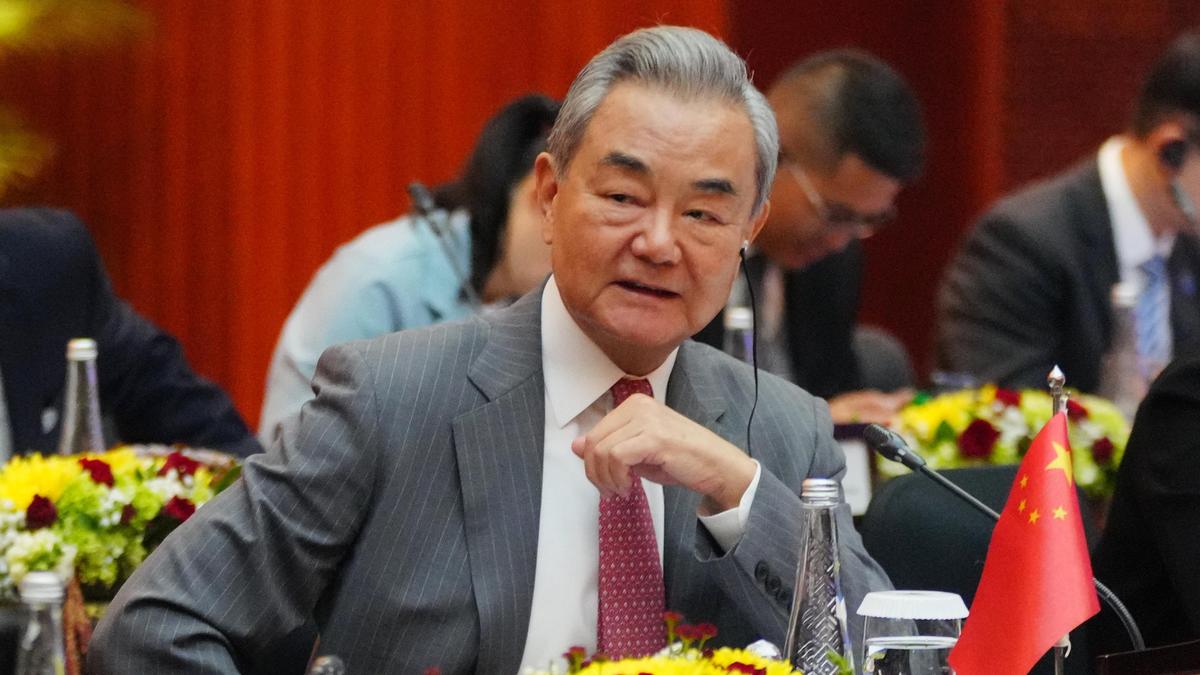
China's Foreign Minister Urges Strengthening International Ties

BJP Maintains Position Despite Strong Performance by Independents in Rajasthan