Global Allies Hesitate on Iran Crisis Amid Trump’s NATO Remarks


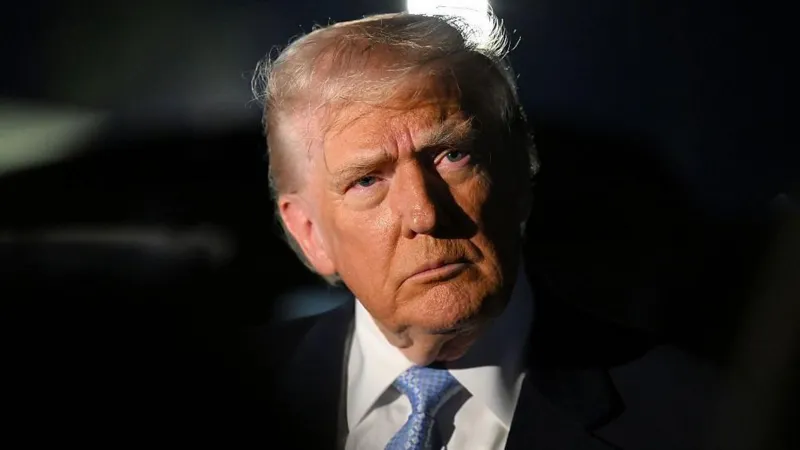
During his presidency, US President Donald Trump has frequently voiced criticisms of NATO allies, but his recent remarks concerning the Strait of Hormuz have reignited discussions around the alliance's role. Trump stated that not securing this crucial maritime route would be detrimental to NATO’s future. General Sir Nick Carter, the former Chief of the Defence Staff, responded to these suggestions by emphasising the alliance's original purpose as a defensive union, rather than a vehicle for unilateral military action initiated by a single member.
The context of this discussion is reflected in the response from Germany’s government. A spokesperson clarified that the conflict with Iran is not related to NATO, while Defence Minister Boris Pistorius expressed doubt about the effectiveness of European naval forces in comparison to the capabilities of the US Navy.
Despite these sceptical voices, the urgency of the situation cannot be understated. With Iran effectively restricting access to the Strait of Hormuz, through which approximately one-fifth of the world's oil passes, Western nations find themselves in a precarious position. The ongoing tensions in the region, instigated largely by Trump's aggressive stance towards Iran, could have severe repercussions for the global economy.
UK Prime Minister Sir Keir Starmer mentioned that discussions were in progress among the UK, the US, and Gulf partners to formulate a feasible strategy, though he acknowledged that final decisions had yet to be reached. He noted the deployment of advanced mine-hunting technology, but pointed out that no British mine-clearing vessel is currently operating in the Gulf, a significant shift from historical trends.
There is an added layer of complexity regarding military capabilities. Although the UK is exploring the use of new seaborne drones for mine detection, former naval commander Tom Sharpe pointed out that these technologies need testing in combat situations. General Carter added that tahe last major naval mine-clearing operation conducted by Western nations took place in 1991 during the first Gulf War, highlighting a gap in preparedness for contemporary maritime challenges.
Additionally, Iran's military units have been reported to have developed methods that extend beyond mines, including armed boats, naval drones, and mobile missile systems capable of targeting shipping routes. The detection of such assets in underground facilities suggests Iran has been strategising for potential confrontations in this theatre.
Trump has characteristically downplayed the significance and complexity of this military engagement, calling for a decisive approach to secure the Strait and implying that attacking Iranian positions might be necessary. Despite earlier calls for assistance from allies to bolster maritime security, the reception has largely been lukewarm, with many allies hesitant to engage in what appears to be a conflict with unclear objectives or exit strategies.
Despite hesitation, discussions about potential naval escort missions for commercial vessels traversing the waterway continue. However, Germany has ruled out any military involvement in securing the Strait. Concurrently, the European Union's foreign policy chief Kaja Kallas voiced aspirations for expanding naval operations in the region, though concrete actions and commitments remain unfulfilled.
German Foreign Minister Johann Wadephul stated that further discussions regarding military arrangements would require clarity from the US and Israel on their strategic goals in Iran. While a coordinated response may be necessary, the fragmentation of commitment among allies poses a significant challenge as the situation remains fluid and complex. France, through President Emmanuel Macron, has shown a willingness to engage, but consensus among European partners remains elusive. The outcome of these deliberations will be crucial for maintaining maritime stability in one of the world's most strategically vital region.

Delhi Man Accidentally Shoots Himself While Filming Social Media Reel
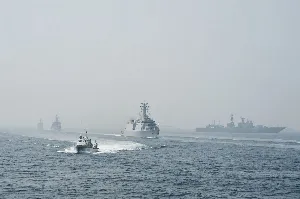
Concerns Rise Over India's Gas Supply Amid Media Claims of Safe Passage
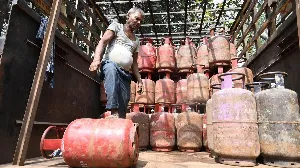
Indian Government Clarifies LPG eKYC Requirements for Consumers
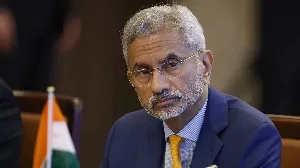
EAM Jaishankar Discusses Economic Cooperation with EU Leaders
