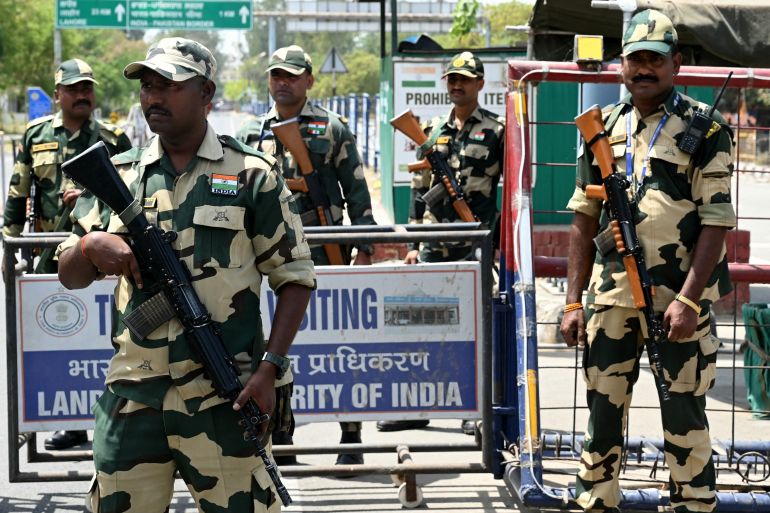
Trump Administration's New Global Bloc Signals Shift in Diplomacy


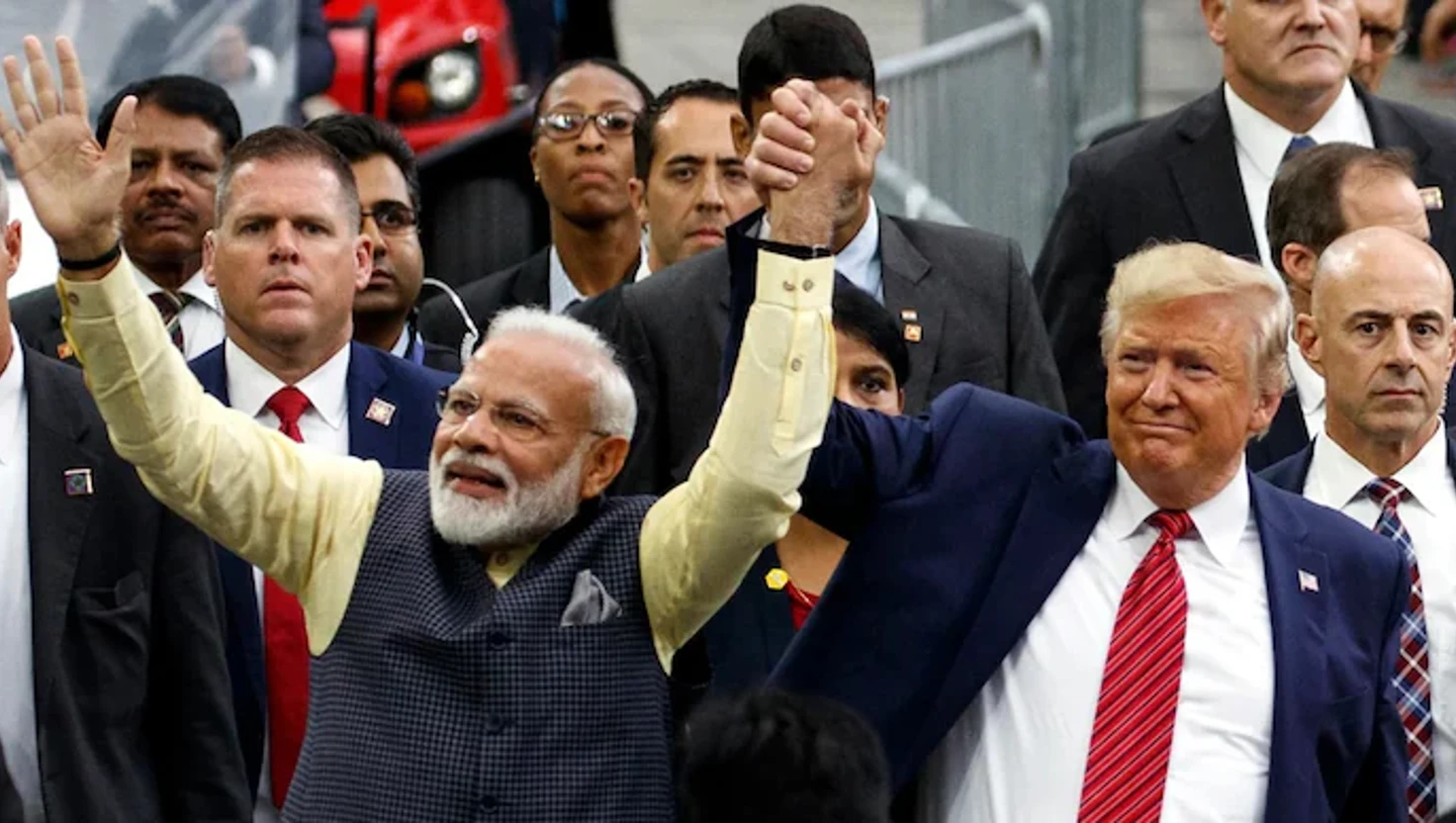
New Delhi: A classified draft of the 2025 National Security Strategy (NSS) from the United States indicates a significant shift in diplomatic focus under the Trump administration. The document outlines plans for a new alliance called the 'Core 5', which includes India, the United States, China, Russia, and Japan. This proposed bloc seeks to operate outside the constraints of the Group of Seven (G7), which traditionally consists of wealthy and democratically governed nations.
The draft, shared by outlets such as Defence One and Politico, suggests that the Core 5 will not be limited by the democratic criteria that define G7 membership. The NSS reportedly highlights a strategy for Middle East security as its primary agenda, focusing on normalising relations between Israel and Saudi Arabia.
While the White House has denied the existence of an alternative or classified version of the NSS, the reported contents resonate with Trump’s established foreign policy tendencies—expressing scepticism towards Europe and favouring partnerships with major powers.
The NSS also appears to endorse a withdrawal of American defence commitments to Europe, redirecting focus towards issues such as drug cartels based in Venezuela. The document advocates for forging alliances with 'regional champions' aligned with US interests, suggesting a shift towards a more selective approach in international relations.
Analysts have pointed out that this approach reflects Trump’s long-standing preference for engaging with strong leaders and major powers, rather than relying on traditional alliances. The draft purportedly encourages closer ties with right-leaning European governments, including Austria, Hungary, Italy, and Poland, in an effort to draw them away from the European Union.
The NSS frames this strategy within a broader ambition to 'Make Europe Great Again', a phrase that reportedly appears in the leaked draft but not in the official release. This rhetoric signals a departure from previous US commitments to multilateralism and collective security.
The document offers a stark assessment of American leadership, arguing against the pursuit of global hegemony and criticising the assumption of permanent American dominance post-Cold War. The NSS suggests that European nations currently lack the confidence to effectively manage their relationships with Russia, resulting in a need for the US to negotiate a swift end to hostilities in Ukraine to stabilise the region.
Despite the leaked material suggesting a retreat from established alliances, the public version of the NSS reaffirms the importance of Europe to American prosperity, acknowledging the continent's industries and cultural institutions as central to US interests. The strategy continues to maintain a hard stance on China, asserting that Trump has fundamentally altered American perceptions of Beijing.
The NSS reiterates support for the Quad alliance involving India, Japan, Australia, and the United States, encouraging India to assume a greater role in ensuring security in the Indo-Pacific region. It highlights the South China Sea as a critical area of interest, advocating for increased naval investment and collaboration with partners from India to Japan.
As the geopolitical landscape evolves, the implications of this new diplomatic strategy could reshape long-standing alliances and influence global security dynamics.
Kerala Initiates Probe into 2006 Suicide Case Involving CEC
Extradition of Sheikh Hasina Feasible, Says Indian High Commissioner

Punjabi Makeup Artist Mad Sandhu Shot Dead in Amritsar

India Achieves Fourth Place at Asian Games 2026 Through Late Success