India Eases Business Visas for Chinese Professionals as Bilateral Ties Improve


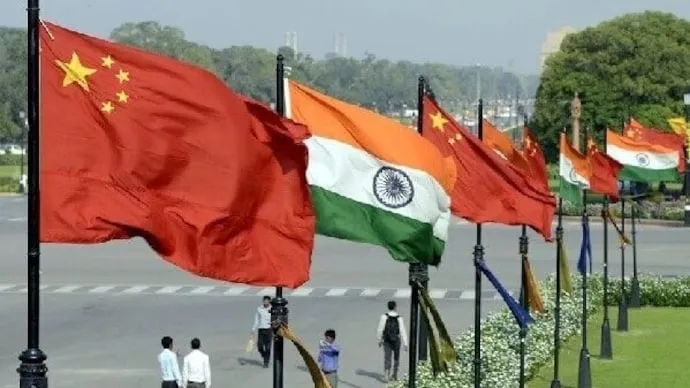
India has streamlined the process for granting business visas to Chinese professionals, according to officials familiar with the policy change. The decision removes an additional layer of administrative scrutiny and reduces approval times to under four weeks. It comes after years of delays that industry groups say disrupted sectors reliant on Chinese technical expertise.
One official involved in the policy shift said the government had “removed the layer of administrative vetting”, enabling visa approvals to be completed within a month. The move marks a departure from the stringent restrictions imposed after a violent border confrontation in mid-2020, when tensions along the Himalayan frontier led to a virtual halt in official and business travel from China.
China’s foreign ministry welcomed the development, with spokesperson Guo Jiakun saying Beijing had noted India’s efforts to “facilitate people-to-people exchanges in the common interest”. Guo added that China was willing to maintain dialogue with India to strengthen cooperation.
Industry analysts have long flagged visa delays as a major obstacle for companies operating in India’s fast-growing electronics manufacturing sector. The Observer Research Foundation, an Indian think tank, estimates that tighter visa controls contributed to production losses of around US$15 billion over four years. Several firms, including leading Chinese electronics manufacturer Xiaomi, had previously struggled to secure entry permits for technical staff.
The easing of visa restrictions follows Indian Prime Minister Narendra Modi’s visit to China earlier this year, his first in seven years. Modi met Chinese President Xi Jinping to discuss ways of stabilising relations, resulting in several measures to revive economic and diplomatic links. Direct commercial flights between the two countries have since resumed for the first time since 2020.
The policy adjustment is part of broader efforts by New Delhi to create a more favourable climate for foreign investment at a time of shifting global trade dynamics. India has also reduced consumption taxes and relaxed labour regulations in recent months in an attempt to attract manufacturers diversifying supply chains.
India’s diplomatic approach has been influenced by steep tariffs imposed by the United States. Under US President Donald Trump’s latest trade measures, Indian goods have faced duties of up to 50%, with an additional penalty for purchasing Russian oil. Officials say these pressures have encouraged India to reassess its economic ties, including its relationship with China and partnership with Russia, while continuing trade discussions with Washington.
A high-level committee led by former cabinet secretary Rajiv Gauba recommended the visa reforms as part of a wider review of restrictions on China-related investment. The group’s mandate includes improving the overall investment environment and addressing concerns raised by foreign businesses.
Pankaj Mohindroo, chair of the Indian Cellular and Electronics Association, said the industry welcomed the “collaborative approach” behind the government’s decision. He added that a more predictable and timely visa process would support India’s ambitions to expand its electronics manufacturing capabilities, from finished products to specialised components.
Despite lingering political sensitivities, ties between India and China have slowly stabilised through ongoing diplomatic and military talks. After years of negotiations, both sides completed disengagement at remaining standoff points along the Line of Actual Control in late 2024. This followed agreements on new patrolling procedures finalised earlier that year.
Economic links continue to grow, even as India seeks to reduce its dependence on Chinese imports. Bilateral trade reached US$127.7 billion in the financial year ending March 2025, making China India’s second-largest trading partner after the United States. Early data for the following year indicates further increases in both exports and imports.
According to officials, the current easing of visa rules is intended to support India’s broader economic strategy while maintaining caution regarding national security concerns. One official involved in the process said the government was “cautiously easing some rules around restrictions on China” in the hope of improving the business environment.
Context
Relations between India and China deteriorated sharply following the 2020 border clash in Ladakh, which resulted in the first fatalities on the frontier in decades. In the years since, both sides have held multiple rounds of military and diplomatic talks to prevent further escalation. The recent visa reforms signal a renewed willingness to rebuild economic engagement despite unresolved political differences.
The changes also reflect India’s need to navigate complex global trade pressures. With higher US tariffs reshaping export markets and competition for foreign investment intensifying, India is seeking to balance strategic concerns with the practical needs of its growing industrial base.
Trump and Xi Discuss Trade, AI, and Taiwan Amid Diplomatic Tensions
Xi Jinping Seeks Greater Concessions from Trump Amid Trade Talks
Iran's President Addresses Ongoing Conflict and External Threats
United States Invites Vladimir Putin to Miami G20 Summit