Taliban Introduces Controversial Family Law in Afghanistan


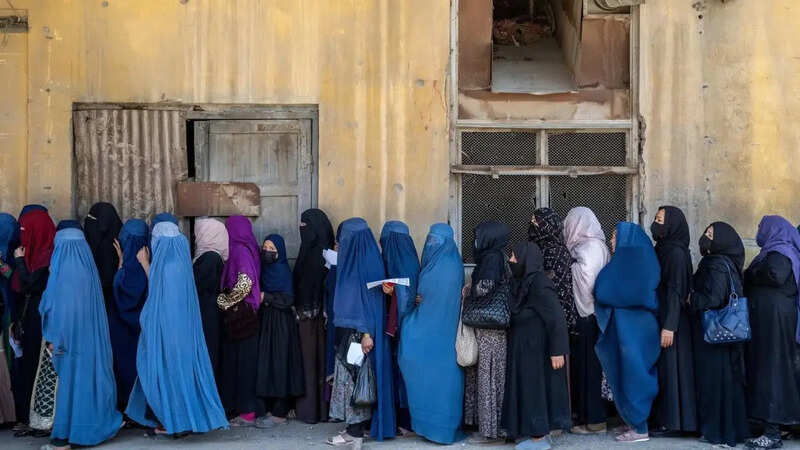
The Taliban government in Afghanistan has enacted a contentious family law that addresses marriage, divorce, and child marriage. This legislation, comprising 31 articles and named "Principles of Separation Between Spouses," has been validated by the Taliban's supreme leader, Hibatullah Akhundzada, and was recently made public in the regime’s official gazette, as reported by Afghan broadcaster Amu TV.
The regulation encompasses various issues, including child marriage, missing spouses, allegations of adultery, apostasy, and enforced separation. Among the most controversial provisions is a stipulation stating that the silence of a "virgin girl" who has reached puberty can be interpreted as consent for marriage. In contrast, silence from a boy or a previously married woman does not automatically qualify as consent.
The decree references the Islamic principle known as "khiyar al-bulugh," or the "option upon puberty," which permits individuals who were married as children to seek annulment once they reach adulthood. According to Article 5, marriages arranged by relatives other than a father or grandfather for minors can still be regarded as legitimate, provided the spouse is considered socially acceptable and the dowry is deemed appropriate. However, any annulment would require the approval of a Taliban court.
The regulation grants significant authority to fathers and grandfathers concerning child marriages, although these unions may be invalidated if guardians are found to be abusive or morally unfit. Furthermore, Taliban judges now have the authority to intervene in matters related to adultery accusations, religious conversion, and cases of spouses who are missing for extended periods.
This development occurs amid ongoing international condemnation of the Taliban's restrictions on Afghan women and girls since seizing power in 2021. Such constraints encompass bans on higher education for women, limitations on employment opportunities, and severe restrictions on women’s participation in public life.
Rights activists have voiced strong opposition to the new family law. Political commentator Fahima Mahomed expressed that the notion of child marriage cannot involve genuine consent, warning that interpreting silence as approval effectively deprives girls of their voice and autonomy.

Flydubai Flight Hijack Scare: Pilot Stabbed as Israeli Officials Probe Possible Terror Attack

Incident on Flydubai Flight Generates Hijacking Fears

Three Residents from Gujarat Missing After Alleged Kidnapping in Ethiopia
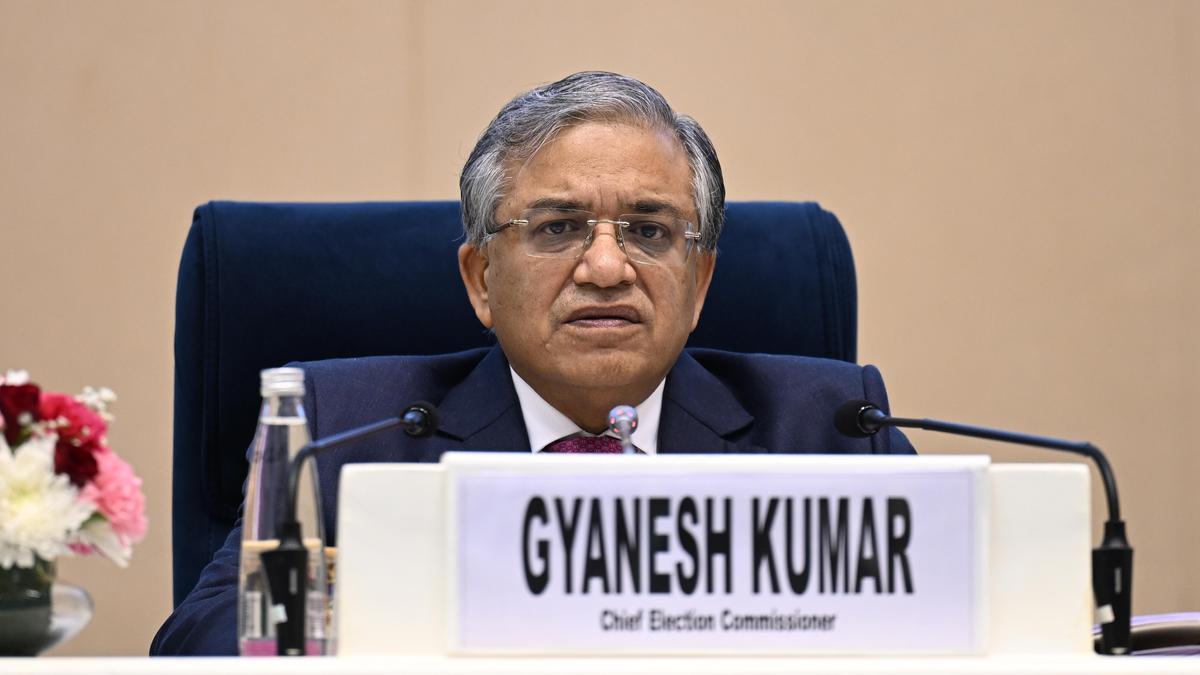
Supreme Court to Consider Plea Against Chief Election Commissioner