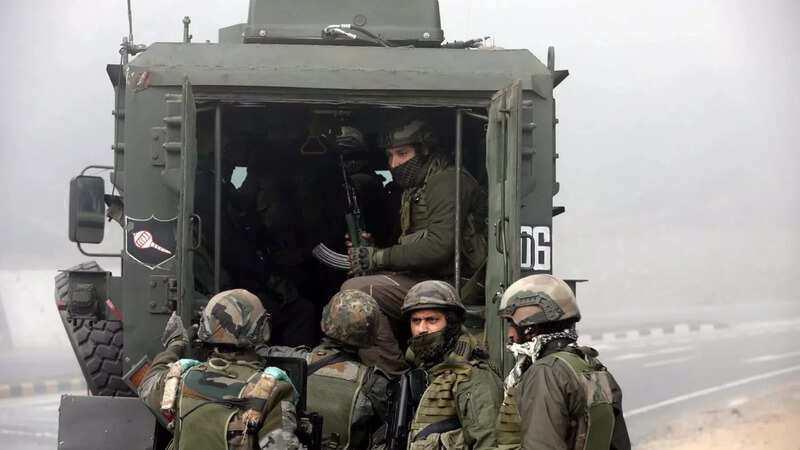
Ebola Outbreak in Democratic Republic of Congo Declared Health Emergency


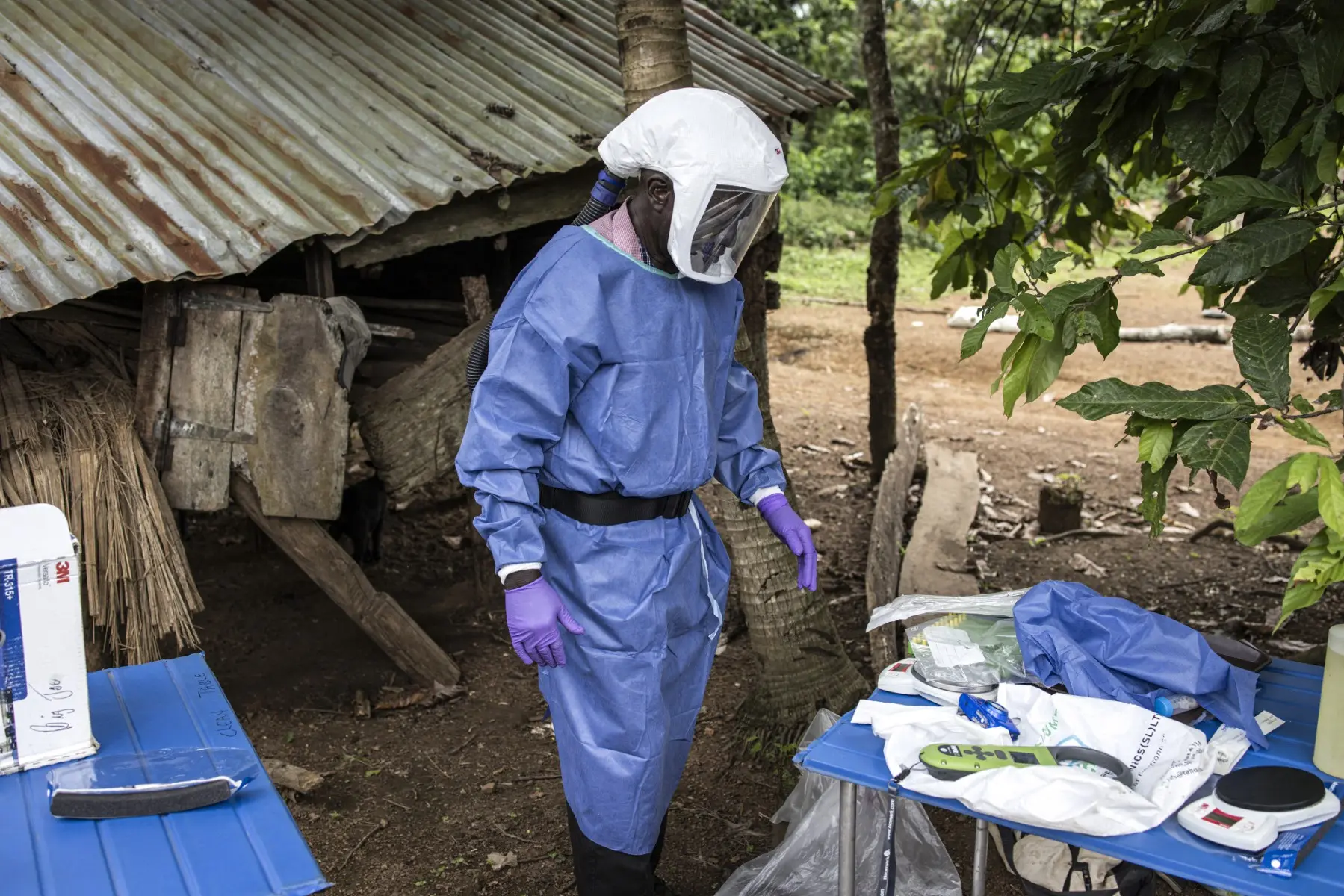
The World Health Organization (WHO) has declared the Ebola outbreak in the Democratic Republic of the Congo (DRC) a public health emergency of international concern due to over 80 reported deaths. This outbreak, linked to the Bundibugyo strain of the virus, has raised significant alarm as it currently lacks an approved vaccine or specific treatment. On May 17, the Geneva-based WHO announced that the outbreak constituted a serious global health crisis.
Health authorities have confirmed that the recent outbreak originates from Ituri province, situated in northeastern DRC, which shares borders with Uganda and South Sudan. According to the Africa Centres for Disease Control and Prevention (CDC Africa), there have been approximately 88 fatalities and 336 suspected cases of this highly contagious haemorrhagic fever.
Health Minister Samuel-Roger Kamba of the DRC stated, “The Bundibugyo strain has no vaccine, no specific treatment. This strain has a very high lethality rate, which can reach 50 percent.” The high fatality rate and lack of medical resources are concerning as the outbreak has already crossed borders into Uganda, where two laboratory-confirmed cases have been identified.
The WHO, however, clarified that it stopped short of declaring a pandemic level emergency, citing that the criteria for such a declaration had not been met. The global health body recommended against any border closures or trade restrictions, emphasising that such measures could potentially encourage informal crossings that undermine containment efforts.
This is the 17th recorded outbreak of Ebola in the DRC since the virus was first identified in 1976. The latest cases were traced back to a nurse who reported symptoms consistent with Ebola on April 24 at a health facility in Bunia, Ituri's provincial capital. The strain itself was first recognised in Uganda in 2007 and is known for its severe health implications.
Symptoms of Ebola include fever, intense weakness, vomiting, muscle pain, and in severe situations, bleeding from internal and external sources. The virus transmits from person to person through direct contact with body fluids, with individuals only becoming contagious once symptoms appear.
Officials have pointed to various challenges in containment efforts, including population movement, a lack of healthcare infrastructure, and ongoing security issues due to armed groups in the area. The WHO Director-General, Tedros Adhanom Ghebreyesus, has expressed that the neighbouring countries are at high risk for further spread, recommending that countries activate emergency-management systems.
In the broader historical context of Ebola, previous outbreaks have varied significantly in mortality rates, ranging from 25 percent to 90 percent. The most deadly outbreak to date occurred between 2018 and 2020, killing nearly 2,300 individuals in the DRC alone. The rapidity of the current outbreak’s spread has been described as “extremely concerning” by the medical aid group Doctors Without Borders (MSF), highlighting the urgent need for effective containment measures. While the outbreak presents a significant risk to local and regional health, the WHO has not declared a pandemic. Authorities and health officials continue to monitor the situation closely as they work towards addressing the crisis.
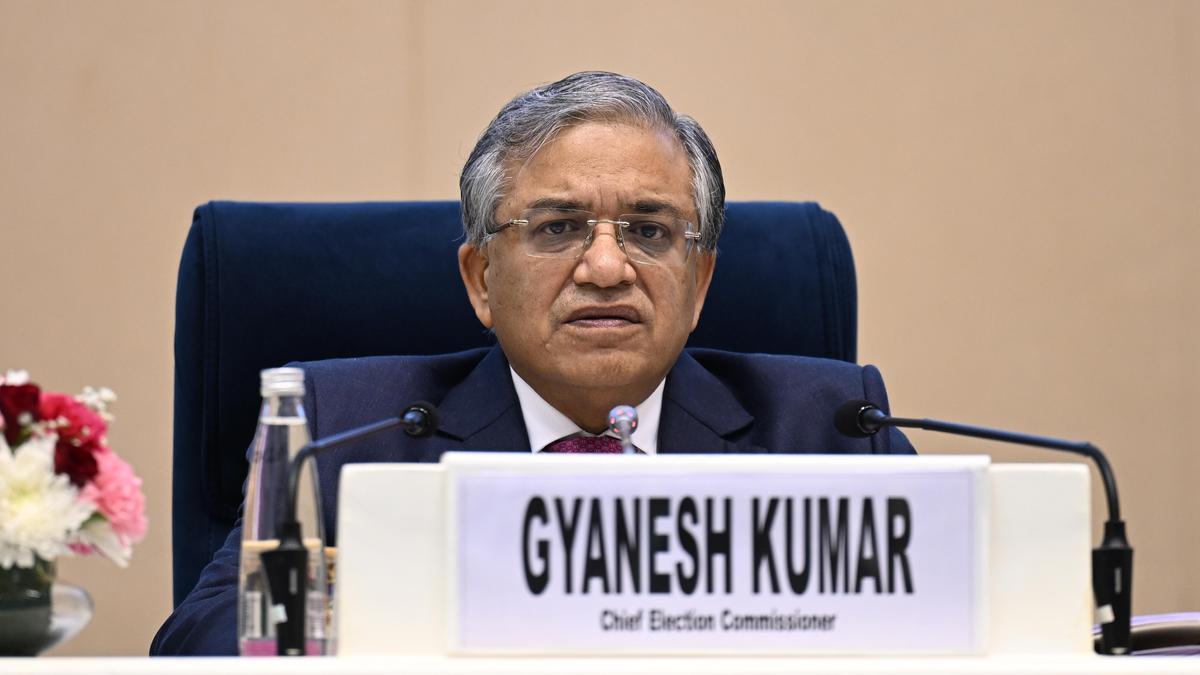
Supreme Court to Consider Plea Against Chief Election Commissioner
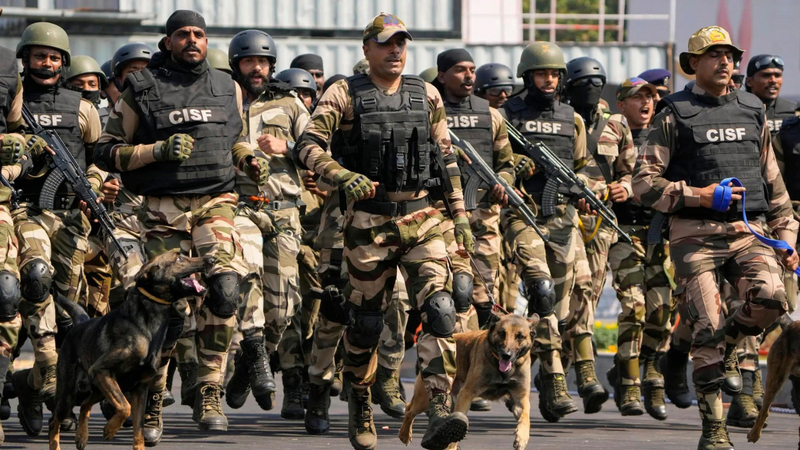
Fratricide Incident in Jammu and Kashmir Claims Four CISF Lives

Three Residents from Gujarat Missing After Alleged Kidnapping in Ethiopia
Supreme Court Justice Dedicates Judgment to Late Law Clerk