Supreme Court Stays Karnataka High Court Ruling on Ethanol Allocation


The Supreme Court of India has intervened to maintain the status quo concerning an order from the Karnataka High Court that mandated the reopening of the ethanol allocation process for the financial year 2025-26. A bench comprising Justices M.M. Sundresh and Sheel Nagu heard a plea from Bharat Petroleum Corporation Limited (BPCL), a state-owned oil marketing company, which argued that the High Court's directive could undermine the central government's policy aimed at achieving a 20% ethanol blending rate in petrol, commonly referred to as E20 fuel.
The Karnataka High Court had issued its directive on June 16, 2026, instructing oil marketing companies, including BPCL, Hindustan Petroleum Corporation Limited (HPCL), and Indian Oil Corporation Limited (IOCL), to consider a request from VINP Distilleries and Sugars for increased ethanol allocation before finalising their tender processes. The court's ruling asserted that ethanol producers contracted to supply exclusively to OMCs should benefit from preferential allocation under existing agreements.
During the proceedings, the Attorney General, R. Venkataramani, representing BPCL, highlighted that the allocation process for ethanol had been completed on October 17, 2025. This process involved the distribution of ethanol procurement to 378 suppliers, totalling approximately 1,050 crore litres, out of received offers amounting to 1,759 crore litres. By June 18, nearly 680 crore litres had already been delivered.
Venkataramani cautioned that reopening the allocation for one particular supplier could lead to similar demands from other suppliers, thereby jeopardising the overall procurement strategy. "The impact of this order is significant, as there are approximately 75 other suppliers in a comparable position. We would have to revise allocations for all of them," he stated.
The Supreme Court bench raised questions regarding BPCL's choice to approach the apex court directly rather than first seeking relief from a Division Bench of the Karnataka High Court. Justice Sundresh queried, "Why not approach the Division Bench?" Venkataramani maintained that pending petitions across multiple High Courts warranted a collective review by the Supreme Court to avoid delays in finalising future ethanol supply contracts, which are due for renewal in October.
In response, senior advocate Sidhartha Dave, representing VINP Distilleries and Sugars, labelled BPCL's request for a transfer of the case as unwarranted and described it as a "bogey." After deliberating on the matter, the bench issued a notice on the plea and mandated the parties to uphold the current arrangements until a further hearing scheduled for July 13.
Following the court proceedings, the Ministry of Law and Justice released a statement clarifying reports that portrayed the E20 programme as an "experiment." The statement refuted any suggestion that the government referred to the programme in such terms during the Supreme Court hearing.
The Union government amended the National Policy on Biofuels in 2022, aiming to implement a progressive blending of ethanol with petrol. Target benchmarks were set for 12.06% blending in 2022-23, increasing to 20% blending by 2025. The government has since met its 20% target, though the initiative has faced scrutiny over concerns regarding its effects on older vehicles and fuel efficiency. The central government has dismissed these worries, asserting that there is no evidence indicating that ethanol-blended petrol causes damage to engines.
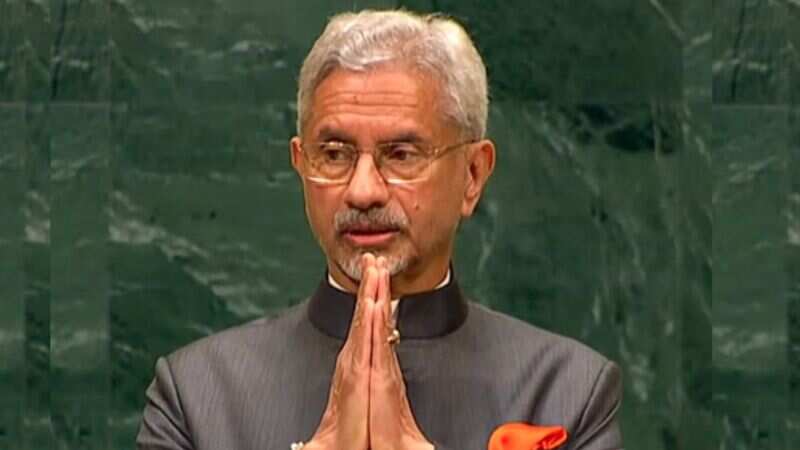
India's Jaishankar Criticises Pakistan at UN General Assembly
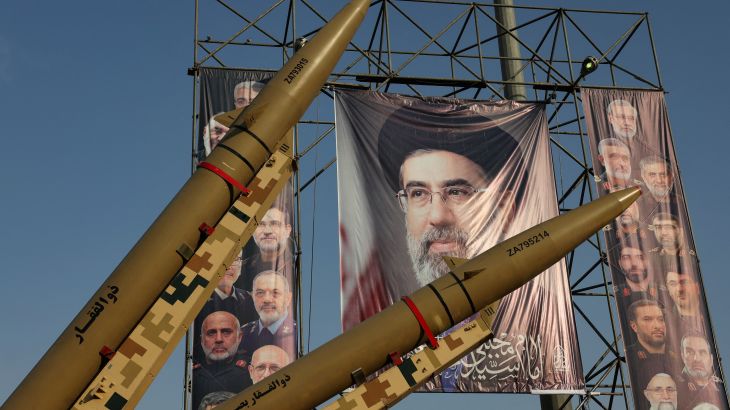
Iran Asserts Readiness for War Amid Rising Tensions in Hormuz
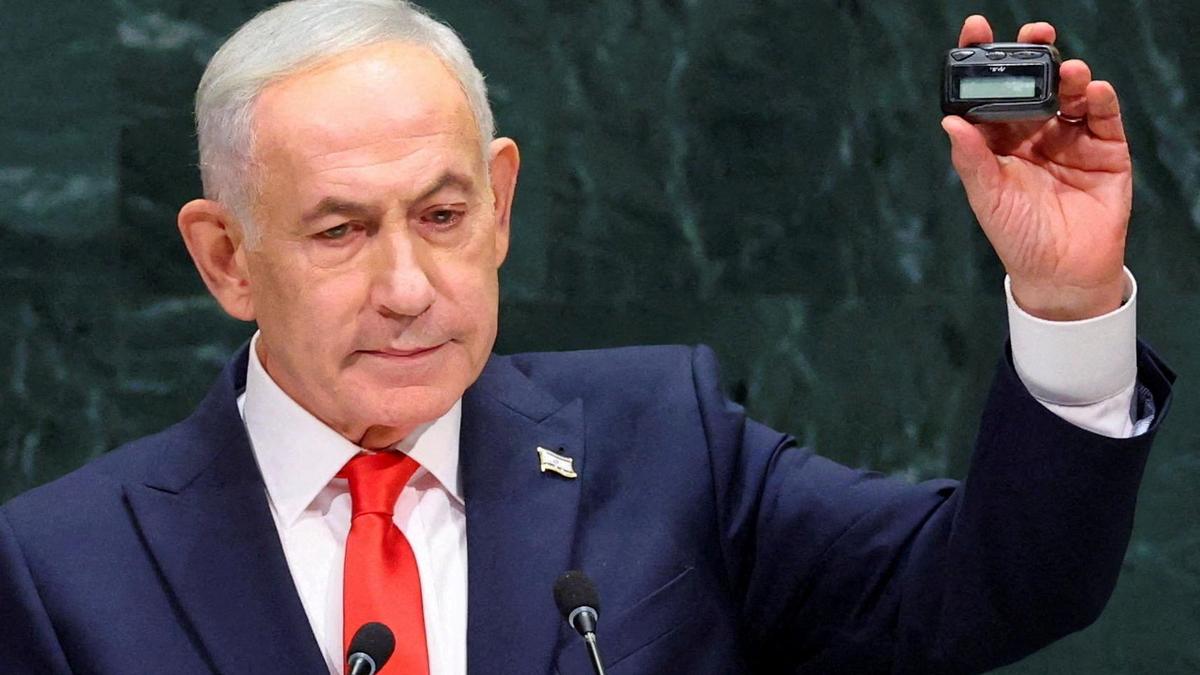
Israeli Prime Minister Netanyahu Makes Unannounced Visit to UAE

World Leaders Gather for Climate Summit, Pledges Made