Kremlin Engages in Talks to Import Gasoline Amid Fuel Crisis


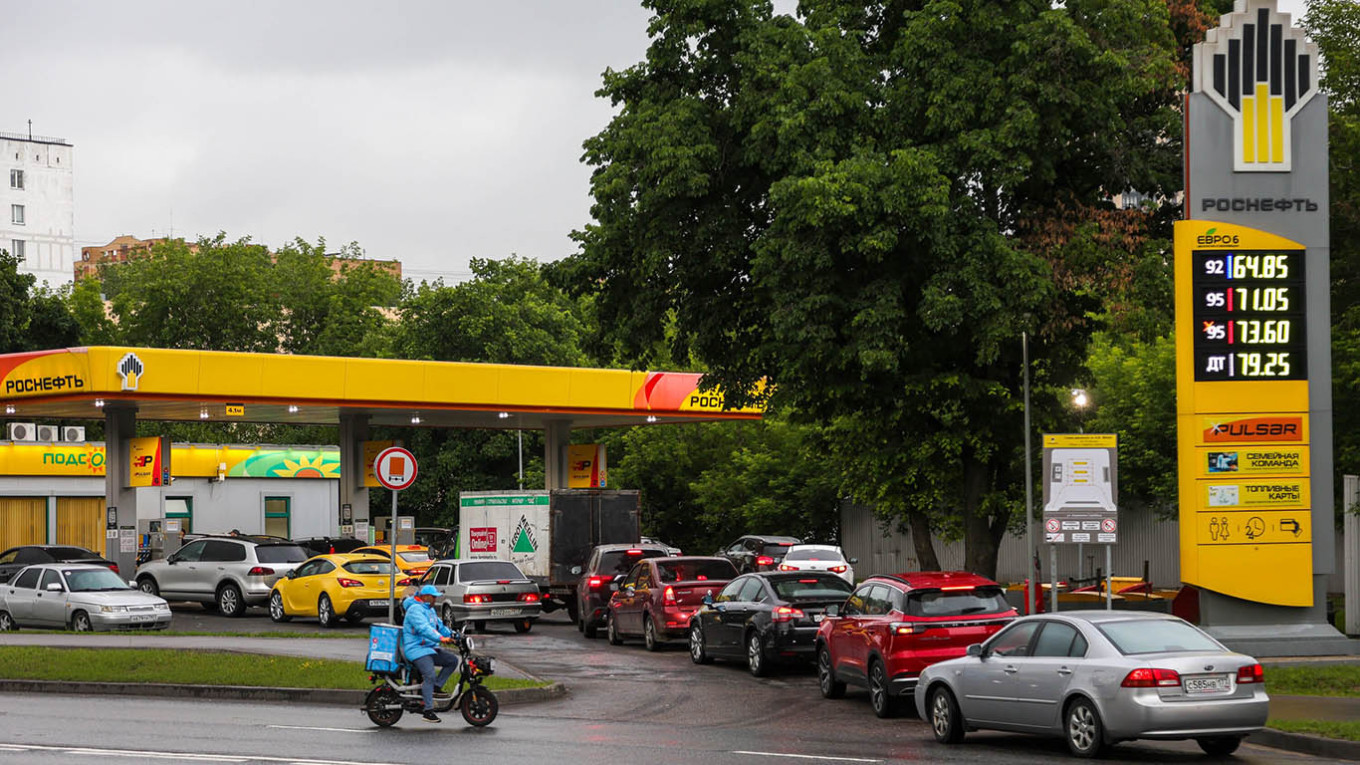
The Kremlin has confirmed that it is currently negotiating with other countries regarding the import of gasoline. This move comes as Russia grapples with growing fuel shortages attributed to recent drone strikes on oil refineries and energy infrastructure in Ukraine.
Kremlin spokesman Dmitry Peskov stated during a press briefing that discussions are actively ongoing. However, he did not disclose the specific nations involved in these negotiations. Peskov remarked, "If agreements can be reached at acceptable price points, then imports will move forward."
Reports from Reuters indicated that Russia is in talks to import approximately 50,000 metric tons of AI-92 grade gasoline from Kazakhstan. Nevertheless, Kazakhstan’s energy minister clarified that Moscow had not yet formally requested these supplies.
In a candid acknowledgment, President Vladimir Putin remarked that Russia is experiencing a fuel shortage due to the impact of Ukrainian strikes. He estimated that the nation's gasoline reserves stand at 1.7 million metric tons, reflecting a 4% decrease compared to the same period last year.
Deputy Prime Minister Alexander Novak highlighted that importing gasoline is one of the essential measures necessary to stabilise the domestic fuel market. His statements followed the State Duma's passage of tax code amendments aimed at creating government subsidies to facilitate gasoline imports.
Following the drone attacks on energy facilities, which led to the shutdown of several significant refineries, Russia's gasoline production has plummeted by 25%. Consequently, fuel rationing measures have been implemented nationwide, including in the annexed region of Crimea. This disruption occurs at a particularly critical time, coinciding with the summer travel season and peak agricultural activity.
As a result of these challenges, the average price of gasoline in Russia has surged by 9.8% since the beginning of the year, with a record rise of 3% in a single week. This has brought the national average to 71.20 rubles per litre, equivalent to approximately $3.47 per gallon as of June 22.
In another development, Prime Minister Mikhail Mishustin instructed Russia’s state statistics agency to halt its weekly public reports on fuel prices. Despite this directive, Rosstat has confirmed it will continue publishing retail price data.
Analysts indicate that these fuel shortages could significantly impact Russia's domestic economy, although they assert that the Kremlin's primary focus remains on the ongoing conflict in Ukraine. The recent drone attacks have targeted crucial components of Russia's energy infrastructure, disrupting oil exports—an essential source of income for the state.
Experts suggest that while the situation is difficult, it is unlikely to lead to a governmental collapse or significant political upheaval. The present challenges are seen as more cumulative and attritional, gradually undermining public confidence rather than causing immediate instability.
In light of these developments, Russia must navigate a complex landscape in managing both its internal fuel needs and its ongoing military operations in Ukraine. The government's approach to handling this dual crisis remains to be fully seen, as President Putin continues to assert control over the narrative surrounding these difficulties.
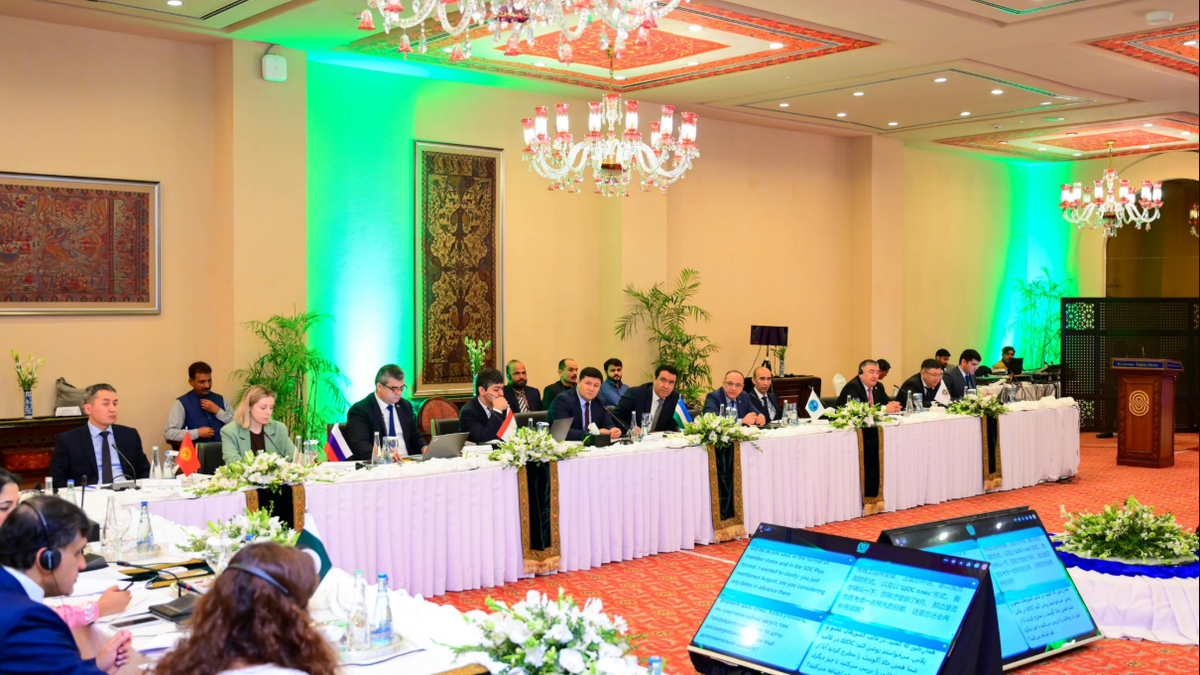
SCO National Coordinators' Meeting Begins in Islamabad, Pakistan

Campus Violence at Punjab University Sparks National Debate
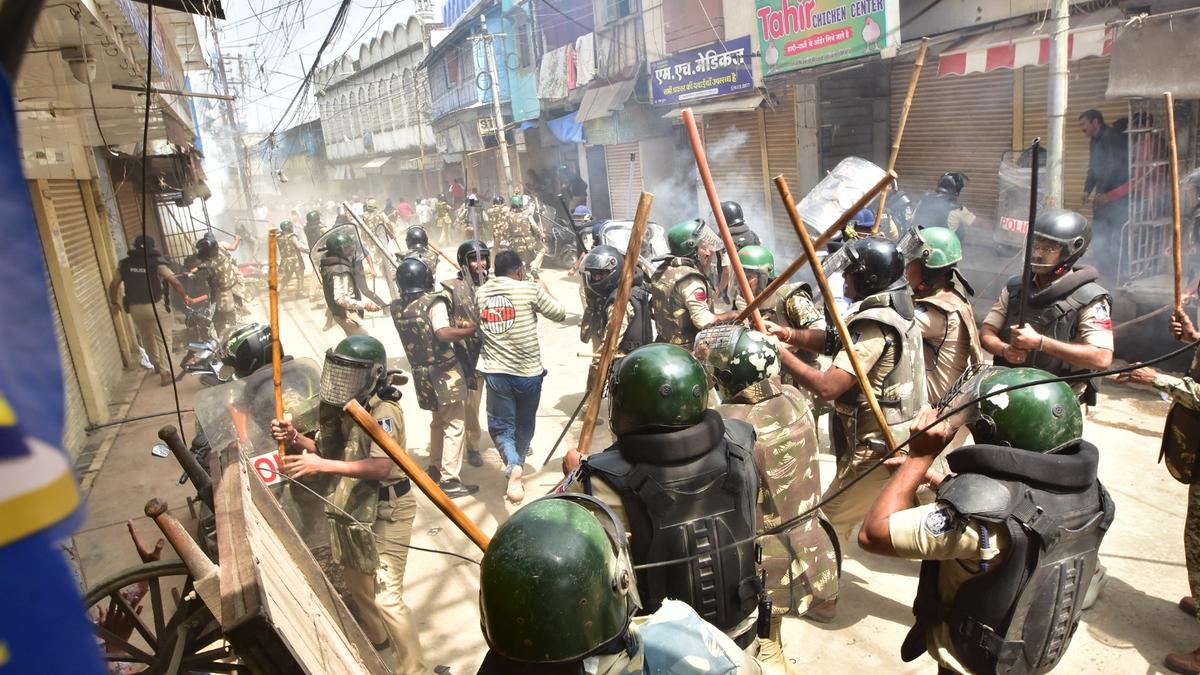
Protests Erupt Over Mosque Demolition for Road Widening in Ujjain

Rahul Gandhi Questions Voter Deletions During Visit to Bela Estate