Karnataka Electoral Roll May Feature 11 Discrepancy Categories


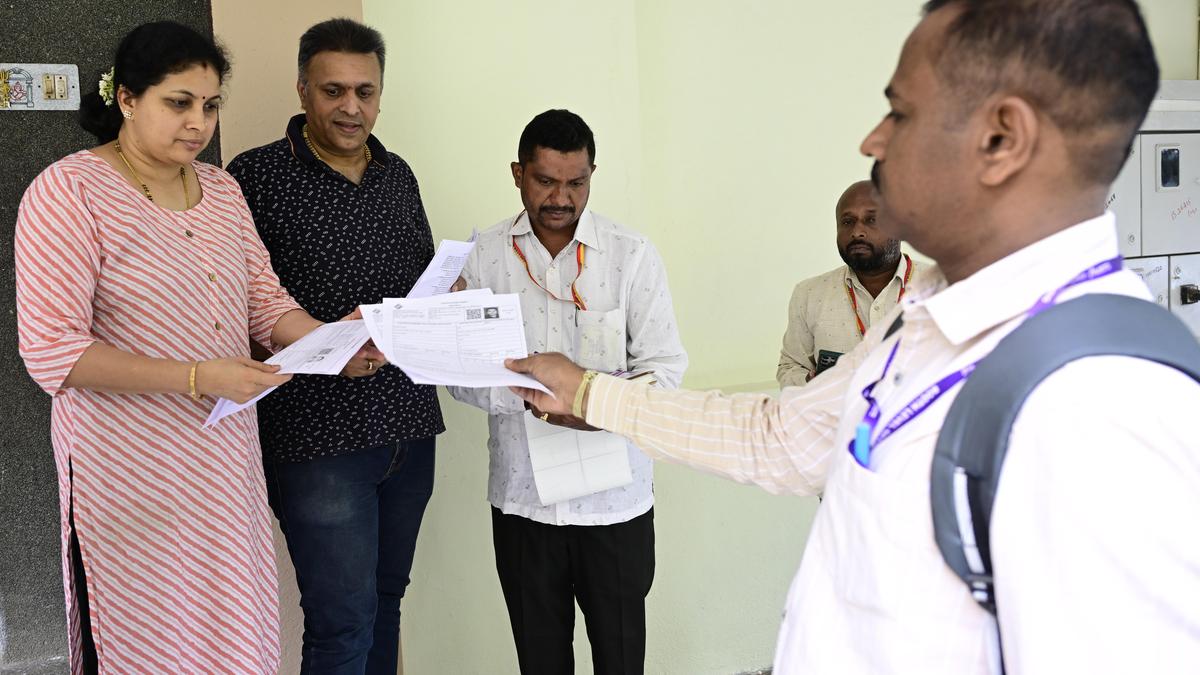
Karnataka is poised to introduce 11 categories of 'logical discrepancies' as part of its ongoing Special Intensive Revision (SIR) of the electoral roll, echoing a framework applied in other Phase III states. This announcement was made during a press conference by Karnataka's Chief Electoral Officer (CEO), V. Anbu Kumar, although he noted that the final decision on which categories would be utilised would follow the publication of draft electoral rolls on August 5.
Initially, four categories of discrepancies were identified during a similar exercise in West Bengal. The complication arises from the potential implementation of differing criteria across states that are all part of the same electoral revision process, which might lead to what some term 'unlawful discrimination'. Despite these concerns, Kumar expressed confidence that there should not be misunderstandings surrounding rejections based on these categories.
The categories likely to be adopted include multiple criteria, such as a gap of less than nine months between siblings, age differences exceeding set limits between parents and their children, and discrepancies in the documentation of familial relationships. For example, if an elector is listed with a different parent's name compared to the previous records or lacks proper documentation, they may face challenges in validating their entries.
Similar discrepancies have been identified in other states, including Telangana and Haryana, which are also conducting the Phase III SIR exercise. In Telangana, for instance, an unusually high number of anomalies, approximately 89.88 lakh voters, have already been flagged due to similar discrepancies.
One specific issue highlighted is the potential impact on women whose electoral records may change if they were married after the last revision, affecting the linkage of their voter data between their paternal and marital connections. According to the Election Commission's notification from May 14, electoral registration officers will issue notices to those whose records cannot be traced back to prior revisions or who reveal inconsistencies upon verification.
Under the new arrangements, notices will be dispatched to two main voter categories: those whose current records lack a corresponding entry in the last electoral roll revision and those whose linked records raise any inconsistencies. Voters receiving these notices will then be required to explain the discrepancies or provide necessary supporting documents prior to the finalisation of the electoral rolls.
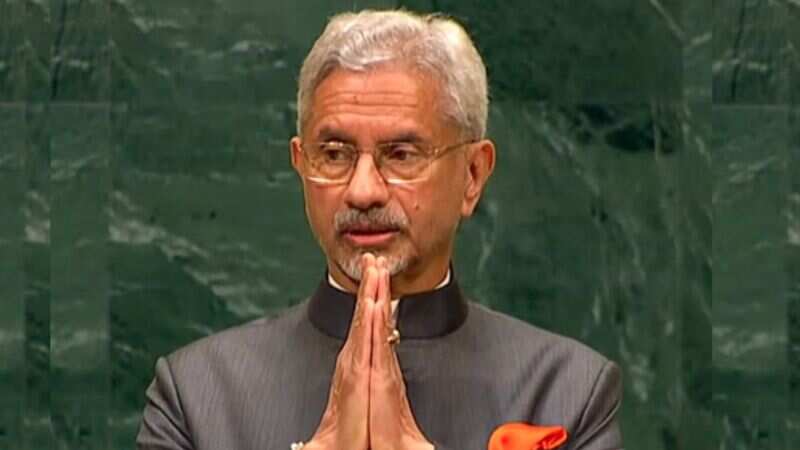
India's Jaishankar Criticises Pakistan at UN General Assembly
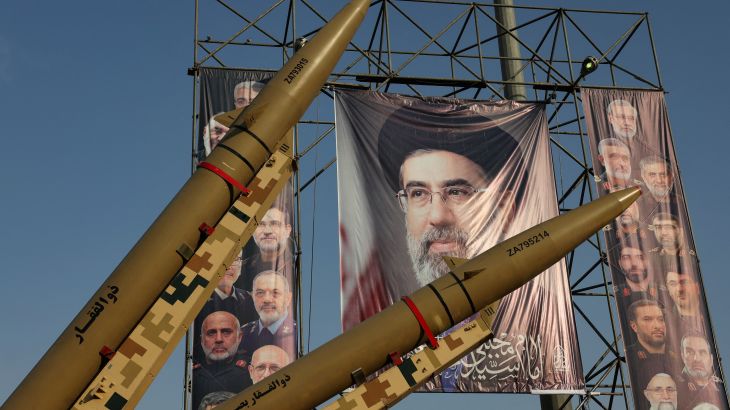
Iran Asserts Readiness for War Amid Rising Tensions in Hormuz
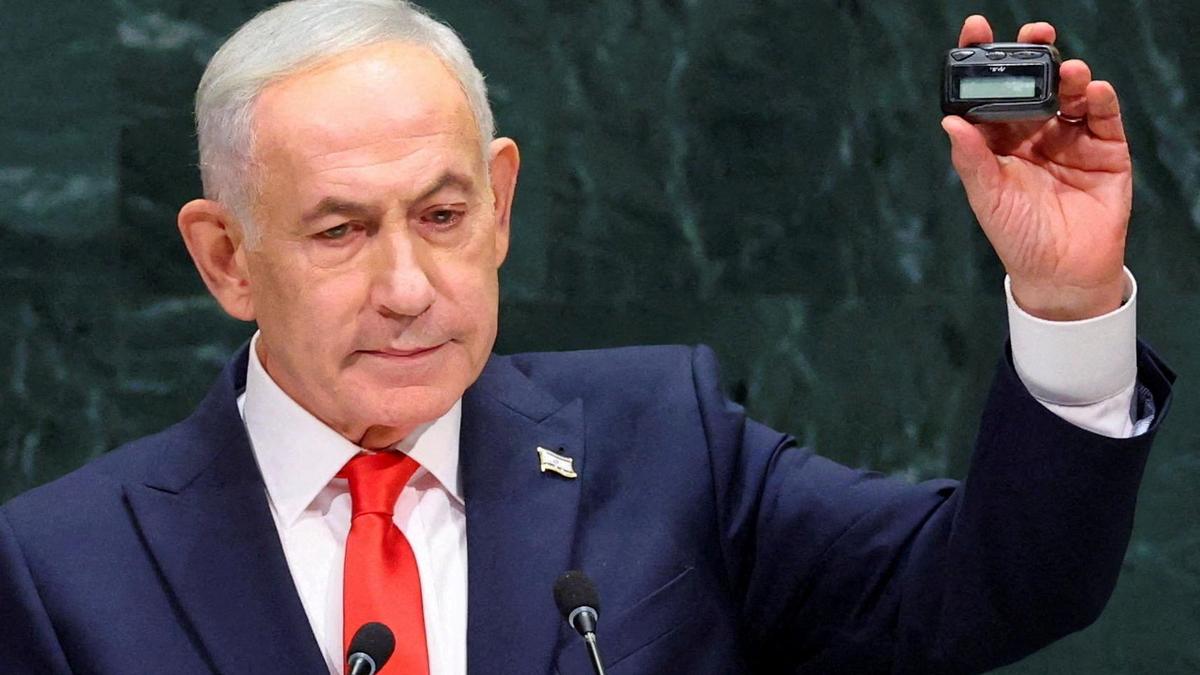
Israeli Prime Minister Netanyahu Makes Unannounced Visit to UAE

World Leaders Gather for Climate Summit, Pledges Made