Supreme Court Proposes 16% Margin on Medicines in Corporate Hospitals


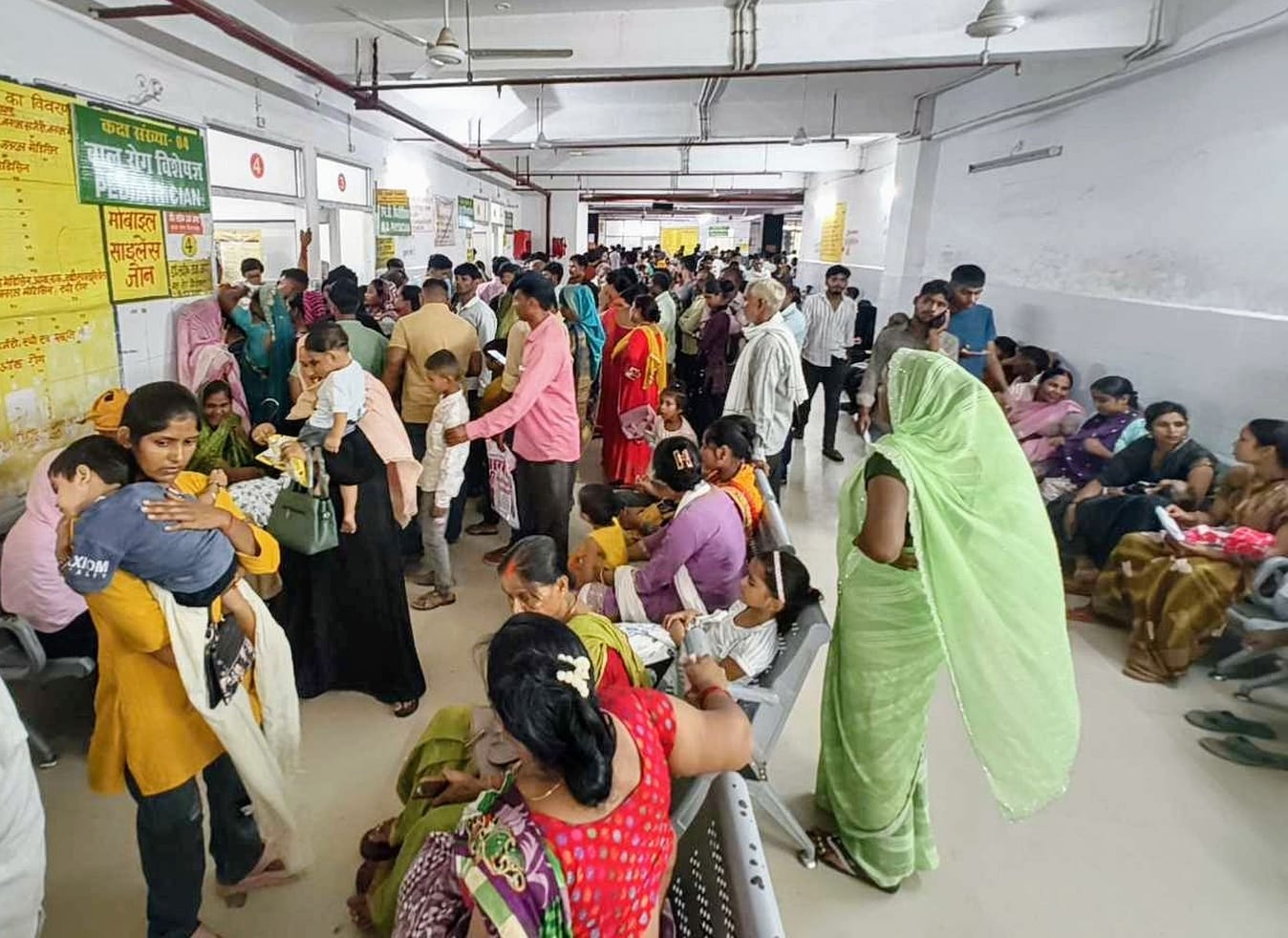
The Supreme Court of India has expressed concerns about the commercialisation of private healthcare, indicating that corporate hospitals act more like profit-driven businesses than healthcare providers. This statement emerged during a hearing in New Delhi, where Justices Vikram Nath and Sandeep Mehta highlighted the issue of exorbitant drug markups that burden common citizens and taxpayers.
The court remarked that patients are required to purchase medicines from in-house pharmacies at inflated retail prices. In contrast, these hospitals receive full reimbursement from the government. For example, the court cited a price discrepancy where a medicine has a maximum retail price of ₹27,000, while the price to the retailer is only about ₹3,000. The justices questioned the rationale behind these significant differences and called for uniform pricing criteria.
The discussions followed previous court sessions that noted a ten-fold price increase in life-saving cancer medicines. As reported by Medical Dialogues, the court noted insufficient price controls on essential drugs and called attention to the disparity in costs in the pharmaceutical sector.
Justice Mehta described the current drug pricing practices as akin to 'absolute rampage and carnage', emphasising the severe impact on patients who struggle to afford treatments. This was underscored by the court's observation that essential cancer medications, retailing for ₹27,000, are sold to pharmacies for ₹2,700, highlighting a dramatic markup that burdens patients in critical need of care.
During the recent hearing, Solicitor General Tushar Mehta acknowledged the issue and expressed the need for the government to explore a balanced resolution to the problem. “We will have to find a way out… let me sit with the officers and then respond,” he stated.
The court further questioned the government's distinction between scheduled essential drugs and non-scheduled medicines, proposing that a uniform margin cap of 16% on maximum retail price should apply to all pharmaceutical products under the Essential Commodities Act.
The justices also raised concerns regarding consumer trust, noting that patients often suspect discounted medications from retail chemists might be fake or substandard. As the court articulated, even when a chemist offers a medicine for ₹3,000 instead of the marked ₹27,000, patients may not trust the genuineness of the product, which exacerbates their situation.
Responding to the court’s observations, Solicitor General Mehta pointed out that pharmaceutical manufacturers are not the main beneficiaries of these pricing discrepancies; rather, private hospitals often absorb these margins. Nonetheless, the justices reaffirmed that the burden ultimately falls on taxpayers and patients, stating firmly, “Corporate hospitals are industries. It is not a service at all.”
The plea presented in court aims for mandatory generic drug prescriptions, stricter price controls on non-scheduled medicines, and the regulation of prices for medical devices. The Supreme Court will reconvene on October 12 to continue discussions, having granted Solicitor General Mehta additional time for inter-departmental consultations on the issues raised.

Mamata Banerjee Criticises Election Chief Over Poll Irregularities
President Murmu Highlights Gandhi's Message on Birth Anniversary
Modi Highlights Subhas Chandra Bose's UPSC Exam in Sanskrit
India-US Trade Deal Unlikely Soon, Says US Trade Representative