Modi Highlights Subhas Chandra Bose's UPSC Exam in Sanskrit


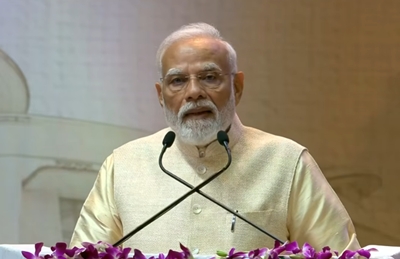
In New Delhi, Prime Minister Narendra Modi attended an event on 1 October to celebrate the 100th anniversary of the Union Public Service Commission (UPSC), a key institution for civil service recruitment in India. During the ceremony held at Bharat Mandapam, Modi unveiled a book featuring significant decisions of the commission, as well as a commemorative coin and a special postage stamp to honour its centenary.
In his address, Prime Minister Modi recalled the contributions of prominent figures associated with UPSC, particularly freedom fighter Subhas Chandra Bose. He noted that Bose, who appeared for the UPSC examination in 1920, completed his paper in Sanskrit, despite British rule at the time. Modi urged attendees to visit a gallery showcasing various milestones in UPSC's history, stating, "So many people have been part of this journey, who have transformed the institution over time and taken it to new heights."
The Prime Minister further highlighted the legacy of Sardar Vallabhbhai Patel, emphasising his role in establishing UPSC as a cornerstone of independent India. Modi remarked on Patel’s vision for a robust governance framework post-independence, stating, "For the reconstruction of the nation, there was a need for a 'steel frame', and Sardar Vallabhbhai Patel gave that to the country."
Reflecting on the commission’s establishment in 1926, Modi acknowledged the changing priorities of India over time. He explained that with Independence, the aspirations for a free country led to the evolution of institutions like UPSC. "Over the decades, the UPSC has discharged its responsibilities well," he noted.
Currently, UPSC conducts around 250 recruitment examinations each year, covering various fields including engineering, medicine, and defence services. Since its formation, the commission has undergone name changes twice, originally named the Public Service Commission in 1926, and later the Federal Public Service Commission in 1937. Following the adoption of the Indian Constitution in 1950, it was renamed the Union Public Service Commission. The first chairman was Ross Barker, who served from 1926 to 1932.
The centenary event aims to celebrate the commission's longstanding impact on India's governance and civil service structure while reflecting on its historical significance and future role in shaping the nation’s bureaucracy.
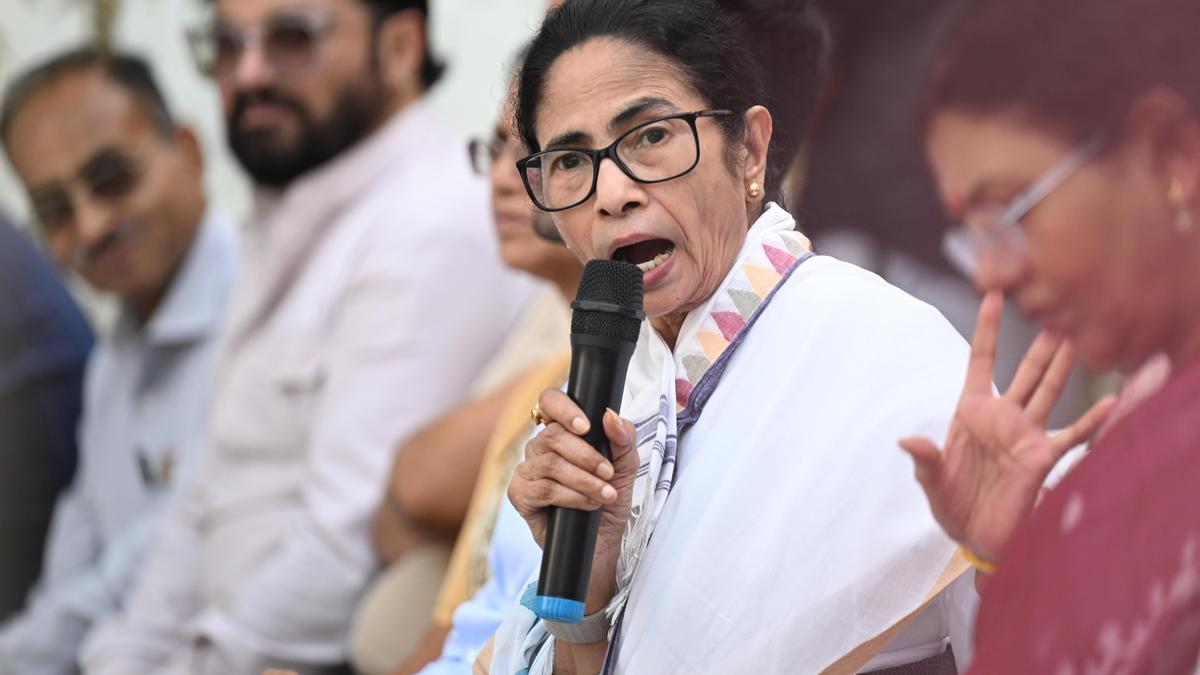
Mamata Banerjee Criticises Election Chief Over Poll Irregularities
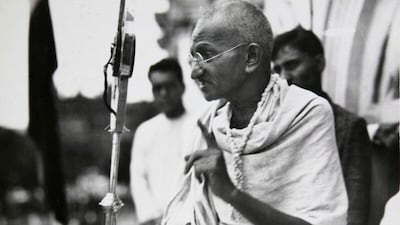
President Murmu Highlights Gandhi's Message on Birth Anniversary
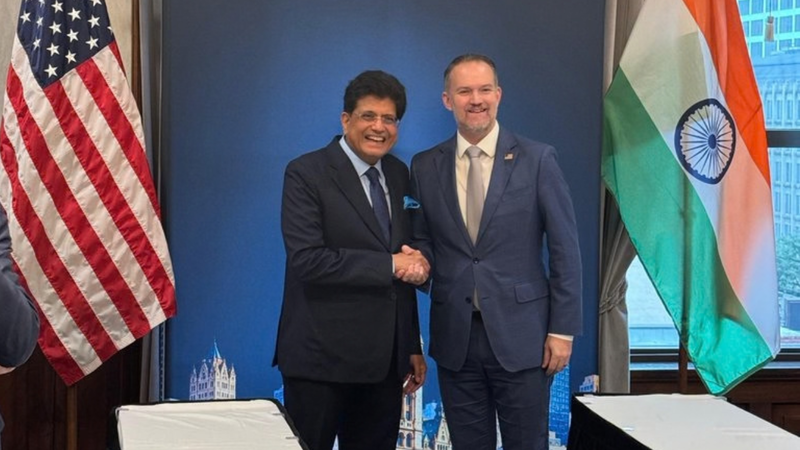
India-US Trade Deal Unlikely Soon, Says US Trade Representative
Madras High Court Denies CBI Probe in Child Assault Case Involving Businessman