Supreme Court Calls for Abortion Access Beyond 20 Weeks in India


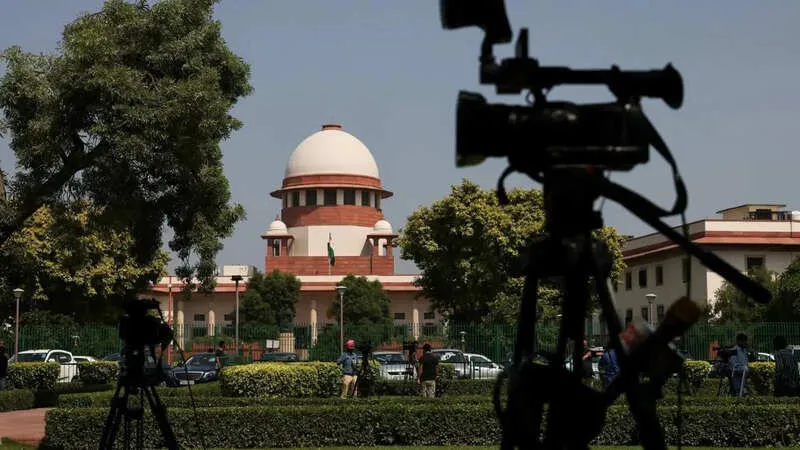
The Supreme Court of India has made a significant ruling aimed at extending access to abortion for survivors of rape. The bench, led by Chief Justice of India D.Y. Chandrachud, has urged the Central Government to consider legislation that would permit abortions beyond the currently established 20-week limit in certain cases.
The court's remarks came during hearings surrounding a case involving a minor who sought the right to terminate her pregnancy after 20 weeks. The Chief Justice underscored the necessity of respecting and upholding individual rights, stating, 'Imagine the pain, humiliation that a survivor goes through.' This statement highlights the court's stance that a woman's autonomy and decision-making capabilities should be prioritised, especially in distressing circumstances.
The existing legal framework in India restricts abortions after 20 weeks, except in exceptional situations where the woman's life is at risk. Such limits have drawn criticism from various advocacy groups and individuals who argue that victims of rape should be afforded greater leniency given the circumstances surrounding their pregnancies.
The court suggested that the government should formulate policies that allow a more nuanced approach to cases of sexual violence. This would entail amendments to the Medical Termination of Pregnancy Act, which currently imposes strict time constraints on abortion procedures.
Legal experts have noted that while safety considerations in medical contexts are vital, the psychological impact on victims of rape must also be factored into any legislative processes. The Supreme Court's remarks indicate a broader recognition of these complexities and a potential shift towards more compassionate legal practices concerning reproductive rights.
As discussions progress, advocates for women's rights are calling for immediate action to amend existing laws. They argue that such changes are critical not only for those currently seeking abortions but also for establishing a more just and responsive legal framework in the future.
In addressing this pressing issue, the Supreme Court aims to reconcile the need for medical guidance with the fundamental rights of individuals to make personal choices regarding their bodies. The coming months may witness significant changes in legislation as the government responds to the court's recommendations and public sentiment regarding reproductive rights in India.

TMC Accuses BJP of Electoral Fraud Ahead of West Bengal Vote Counting

India's Rajnath Singh Urges Italy to Halt Defence Technology Sharing with Pakistan

Delhi High Court Freezes Assets of Sunjay Kapur Amid Inheritance Dispute

Mamata Banerjee Claims Exit Polls Target TMC Morale Ahead of Voting