Rising Tensions: US-Iran Strikes Undermine Peace Efforts in Gulf


A new wave of hostilities between the United States and Iran has emerged, further complicating an already delicate interim peace agreement. On Sunday, June 28, 2026, Iran initiated drone and missile strikes targeting Bahrain and Kuwait, escalating tensions following recent US airstrikes on Iranian sites. These military actions and retaliations are drawing serious concerns regarding the durability of newly negotiated peace efforts between the two nations.
Iranian forces executed strikes aimed at multiple locations in Bahrain and Kuwait after the US targeted strategic military installations in southern Iran. In response, former President Donald Trump issued a stark warning on social media, implying that a breakdown in ongoing dialogue could lead the US to adopt a more aggressive military stance against Tehran. He stated, "If that happens, the Islamic Republic of Iran will no longer exist!"
Kuwait's military confirmed the interception of two ballistic missiles, reporting no injuries or significant damage. Meanwhile, Bahrain's interior ministry indicated that residential buildings near the international airport were damaged, but there were no casualties reported. In a separate incident, the Qatari interior ministry noted that one Qatari national had been killed and another injured due to shrapnel from military operations in the area, the specifics of which were not immediately connected to the Iranian assaults.
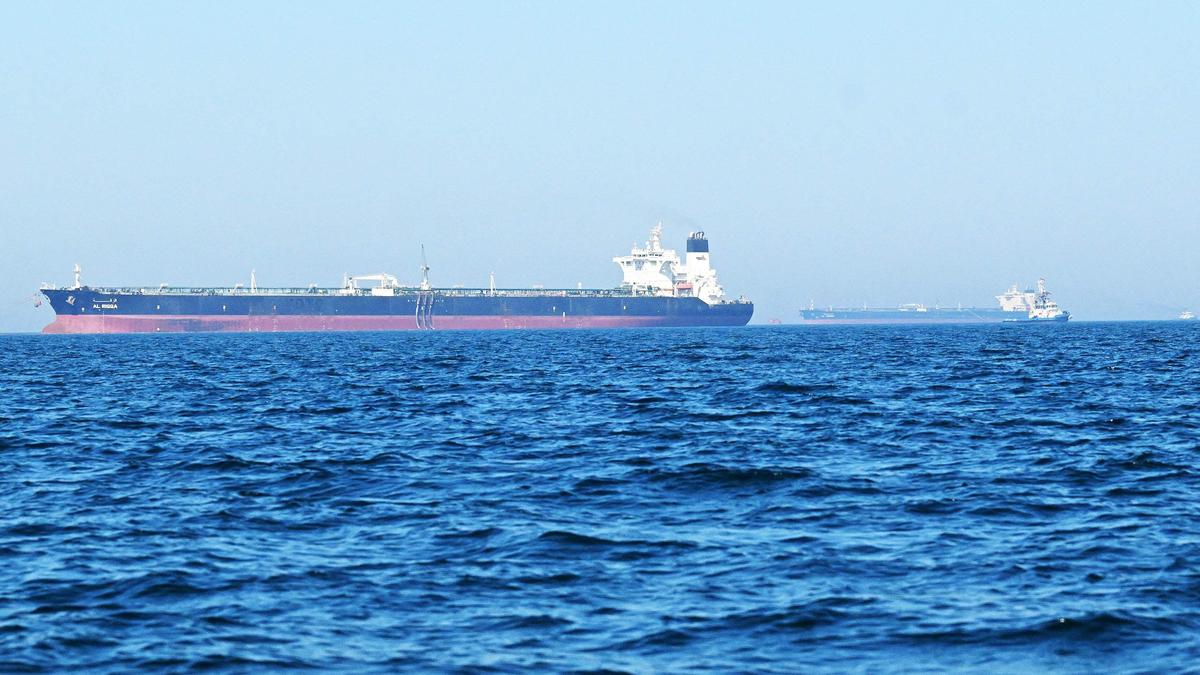
These escalations follow prolonged discussions to reopen the strategically vital Strait of Hormuz, a major shipping corridor that has been effectively controlled by Iran amidst the conflict. Approximately one fifth of the world’s oil and liquid gas supplies traverse this waterway, vital for global energy markets.
The US Central Command stated that its military strikes were a direct response to what they termed Iranian aggression against commercial shipping interests. The recent US operations specifically targeted Iranian military surveillance and communications infrastructure, alongside drone storage facilities.
Despite diplomatic efforts to de-escalate tensions, including a memorandum signed earlier this month calling for a peaceful resolution, the situation remains precarious. Observers speculate that Iran's military actions serve not only as a bargaining chip in negotiations with the US but also aim at intimidating neighbouring nations while solidifying Tehran's influence in the region.
Iranian Foreign Minister Abbas Araghchi reiterated Iran's firm stance on controlling the Strait of Hormuz. During a state visit to Iraq, he warned that any foreign interference in the region would exacerbate tensions and complicate peace efforts. He stated, "Any attempt to establish new or separate arrangements from those currently being carried out by the Islamic Republic of Iran will only lead to further complications."
In a statement, the Islamic Revolutionary Guard Corps (IRGC) took responsibility for the Sunday attacks, emphasising that violations of the ceasefire would lead to a cessation of current diplomatic processes. Meanwhile, Bahrain's government condemned the attacks as a serious escalation, underscoring what they perceive as a systematic pattern of Iranian aggression against their sovereignty.
Israeli military officials also reported incidents of violence in Lebanon, further complicating the regional dynamics that might impact US-Iran negotiations. The murder of an Israeli soldier intensified the overall atmosphere of insecurity.
The path forward remains uncertain as both parties navigate a range of contentious issues, including sanctions relief and the future of Iran’s nuclear programme. As diplomatic mediators from Qatar and Pakistan continue their efforts to foster dialogue, the conflict’s potential to reshape geopolitical relationships and impact global markets looms large. The precarious balance of power in the Gulf is put to test as ongoing military actions indicate that both Iran and the US may be moving further away from a peaceful resolution.

BJP Allies Urge Election Commission to Address Public Concerns

Thousands of Ganesh Idols Immersed in Telangana Festivities
Jaishankar Calls Attacks on Civilian Shipping ‘Indefensible’
Indian Prime Minister Urges Integration of Social Reforms in Governance