RBI to Maintain Current Interest Rates Amid Economic Stability


In Mumbai, economists anticipate that the Reserve Bank of India's monetary policy committee will decide to maintain its benchmark repurchase rate at 5.25% in the upcoming meeting. This expectation arises from a combination of steady domestic growth and a supportive external environment, notably influenced by the recent trade agreement between the United States and India. Since February of the previous year, the Monetary Policy Committee (MPC) has reduced interest rates by a total of 125 basis points, which includes a quarter-point cut made in December. The central bank also implemented significant liquidity measures, injecting approximately Rs 6.6 lakh crore into the economy this fiscal year through open market operations.
However, despite these measures, bond yields have shown little movement. A report from Emkay reveals that only 9% of the rate cuts introduced during this cycle have been reflected in bond yields, contrasting sharply with previous easing cycles. For instance, in the past cycle in 2019, yields decreased by 88% within eight months, while the current situation has seen only an 11 basis point drop in the 10-year benchmark yield.
Sujan Hajra, chief economist and executive director of Anand Rathi Group, noted that while GDP growth is projected to slow moderately, it is underpinned by ongoing public-sector capital expenditure and the potential benefits from two significant trade agreements. He stated, "A calibrated uptick in retail inflation further limits the case for near-term easing."
In light of these factors, the MPC is likely to adopt a cautious stance, opting to keep the repo rate unchanged. The Reserve Bank of India’s ability to enact further rate cuts appears limited. Rather, the focus is expected to shift towards managing liquidity and ensuring the stability of the yield curve, particularly given the Union government's substantial gross borrowing programme valued at Rs 17.2 trillion. Hajra added that effective management of liquidity levels and bond market spreads will take precedence over adjustments to the policy rate at this meeting.
Bloomberg has reported that several banks have approached the RBI for permission to utilise some of the cash they are required to maintain as reserves, primarily for short-term financial challenges. Discussions between the RBI and various banking institutions have occurred in recent weeks.
India’s economic growth is projected to exceed 7% for a second consecutive year starting from April, and the Indian rupee recently experienced its most significant appreciation in seven years following the announcement of the US-India trade deal earlier this week.
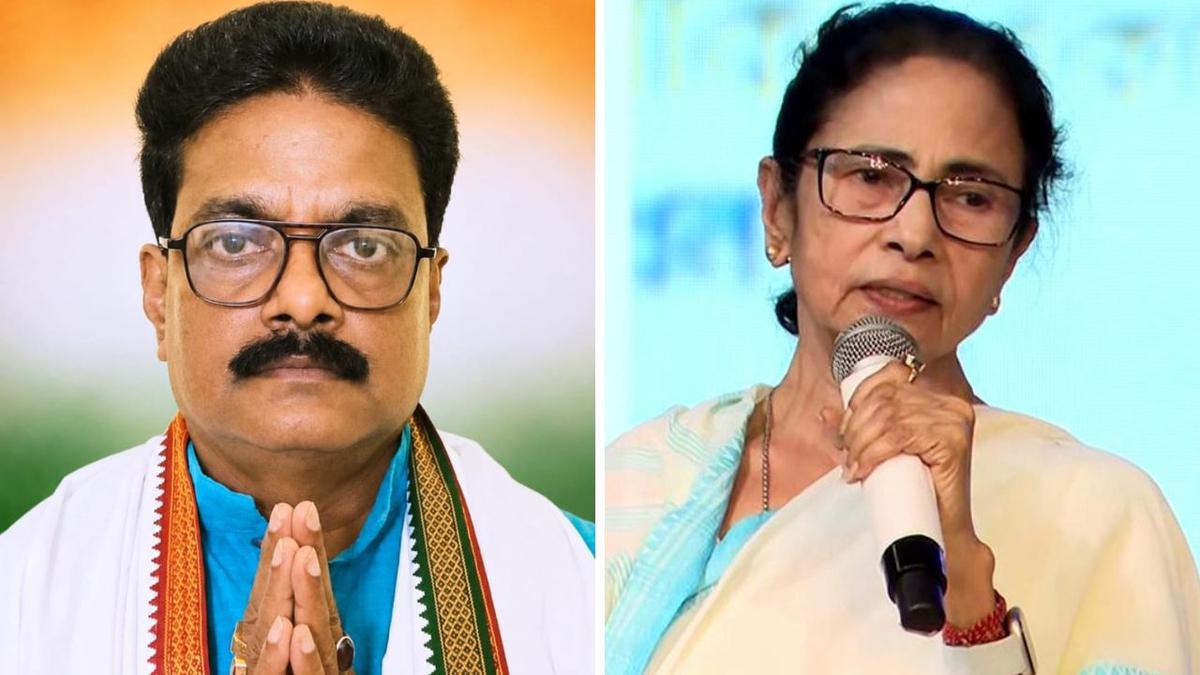
Mamata Banerjee Challenges Election Commission in Supreme Court
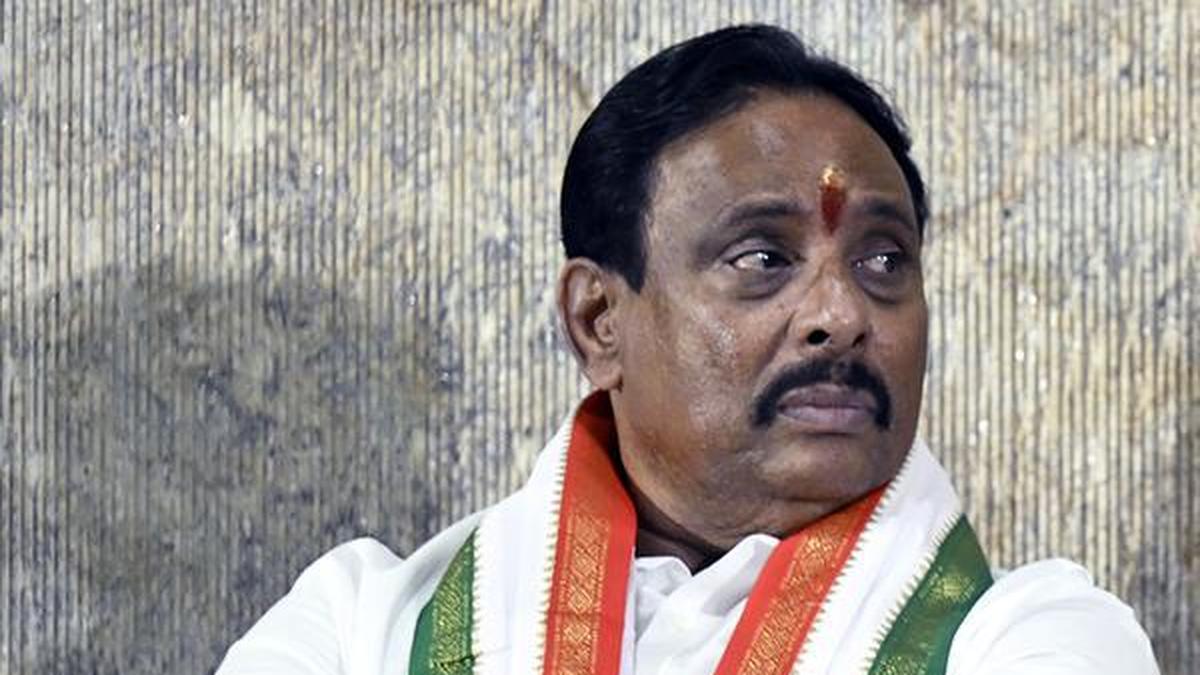
Telangana High Court Disqualifies MLA Danam Nagender Amid Political Fallout

Scottish Sikh Man Receives Bail in India After Nine-Year Detention

Delhi Police Investigate Gang-Rape and Murder of 16-Year-Old Girl